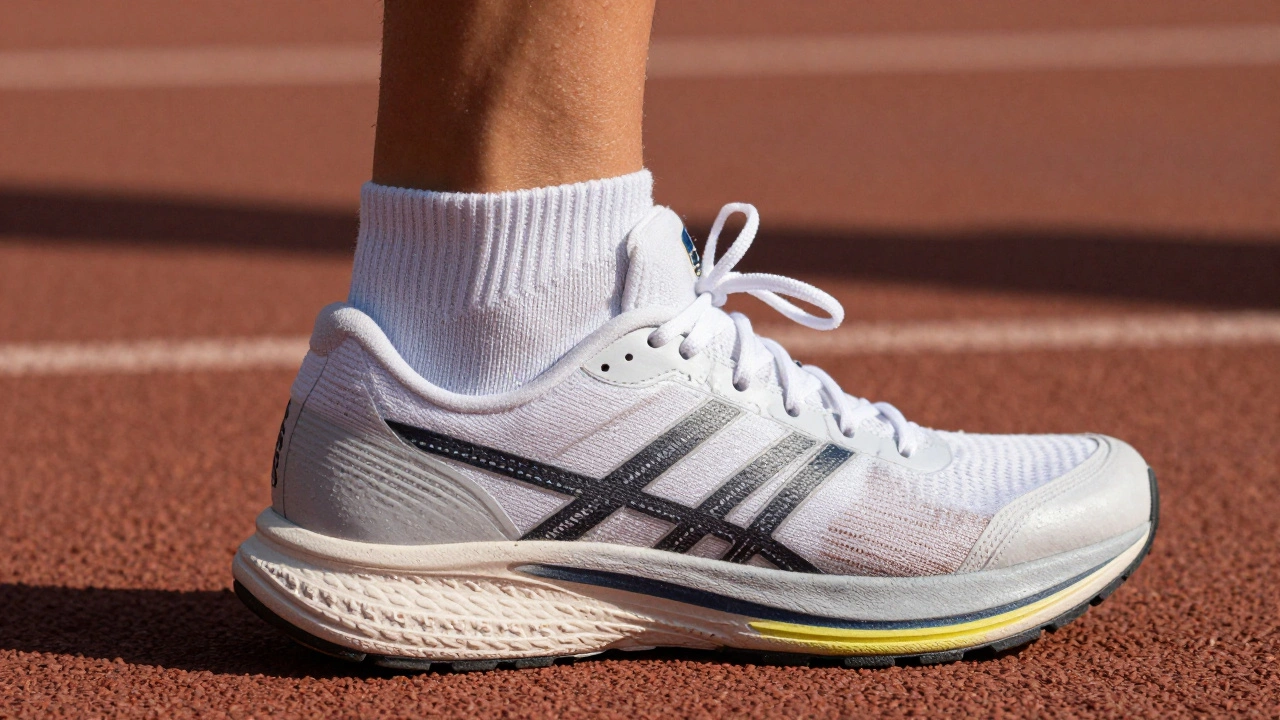
Running Shoe Fit Checker
Measure Your Feet
For best results, measure your feet at the end of the day after a short run. Wear your running socks.
Fit Results
Enter your foot measurements and shoe size to see if they match properly.
Understanding Proper Fit
This is the ideal space for running shoes. It allows your foot to expand during impact without excess movement.
Wearing running shoes a half size too big might seem harmless-after all, you can just tighten the laces, right? But if you’ve ever felt your foot sliding around inside your shoe during a long run, or noticed blisters forming on your heel or toes, you’re not imagining it. That extra space isn’t comfort. It’s a recipe for injury.
Why Your Feet Need Room-But Not Too Much
Your feet aren’t static. They spread out when you run. Each stride pushes your foot forward, and your toes slam into the front of the shoe. That’s why experts recommend about a thumb’s width (around 3/8 to 1/2 inch) of space between your longest toe and the end of the shoe. That’s not a half size. That’s precise. A half size too big means you’re adding nearly a full centimeter of extra space. That’s enough for your foot to slide forward and back with every step.
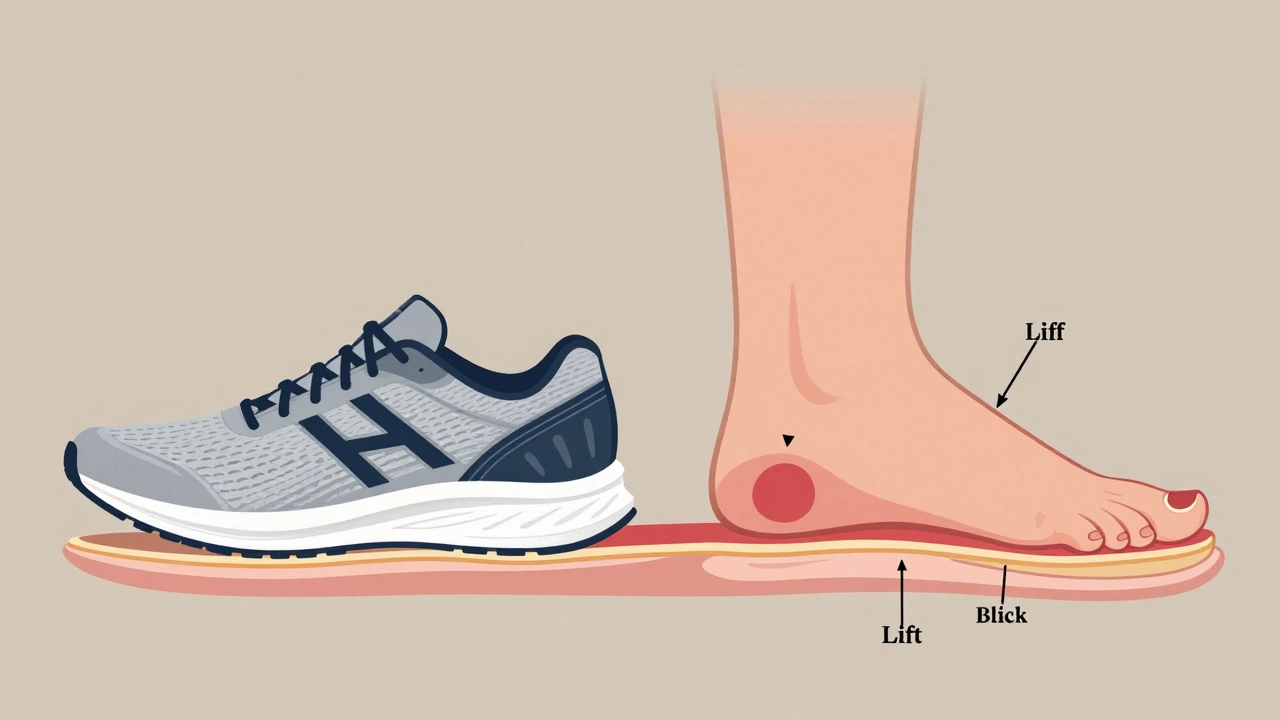
That movement doesn’t just feel weird-it changes how your body absorbs impact. Your arch doesn’t get the support it needs because your foot isn’t locked in place. Your heel slips, which forces your ankle to work harder to stabilize. Over time, that leads to plantar fasciitis, Achilles tendon strain, or even stress fractures.
The Real Reason People Go a Half Size Up
Most runners who end up with shoes a half size too big do it for one reason: they think their toes need more room. That’s partly true-but the fix isn’t bigger shoes. It’s better fitting shoes. Many brands run narrow. A shoe labeled as a size 9 might fit like an 8.5 in width. So instead of going up in length, you should try a wider width in your true size.
Brands like Brooks, ASICS, and New Balance offer wide (2E) and extra-wide (4E) options. If you have wide feet and you’re going up a half size just to fit your toes, you’re solving the wrong problem. You’re trading stability for space. A shoe that’s too long will cause your toes to jam into the front when you go downhill, even if your width is fine.
What Happens During a Run
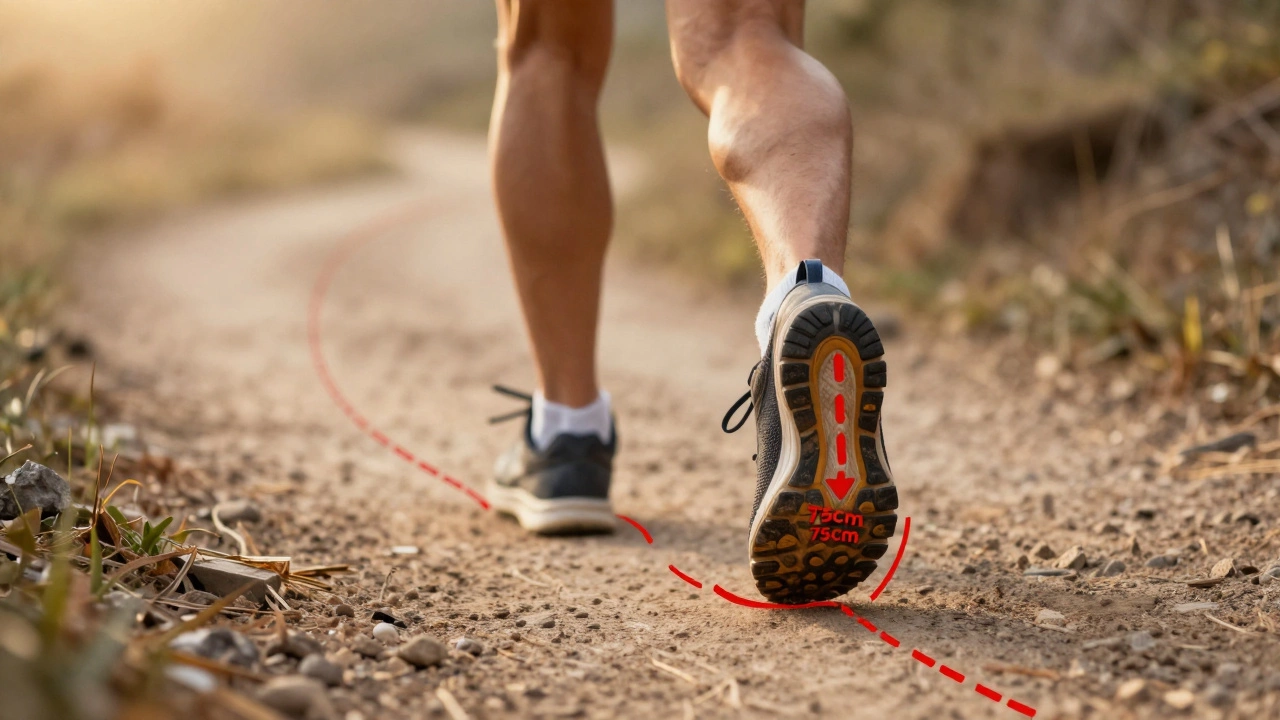
Let’s say you’re running a 10K. That’s about 15,000 foot strikes. If your foot slides forward 5 millimeters with each step, that’s 75 centimeters of movement inside your shoe. Your toes are hitting the front. Your heel is rubbing against the back. Your midfoot is shifting side to side. That’s not running. That’s friction therapy.
Blistered toes? That’s from your big toe slamming into the shoe’s toe box. Black toenails? That’s repeated trauma from your nail hitting the front. Heel pain? That’s the shoe’s counter rubbing and sliding as your foot moves. All of these are preventable with the right fit-not a bigger size.
Even your stride changes. When your foot isn’t secure, your muscles compensate. Your calves tighten. Your quads overwork. Your hips rotate unnaturally. Studies from the American College of Sports Medicine show that improper shoe fit increases energy expenditure by up to 8%. That means you’re burning more calories just to stay stable-not to go faster.
When a Half Size Bigger Might Be Okay
There’s one exception: long-distance events. Ultra-runners sometimes go up a half size for races over 50K. Why? Swelling. Feet expand during hours of running. A shoe that fits perfectly at mile 0 might feel like a vice by mile 30. But even then, they don’t just grab the next size up. They choose a shoe with a roomier toe box, a more flexible upper, and often wear thicker socks to fill the extra space.
For everyday training? No. For a marathon? Maybe-but only if you’ve tested it. Try running 10 miles in those bigger shoes before race day. If your heel slips or your toes feel loose, it’s still wrong.
How to Find Your True Size
Most people get sized wrong because they’re measured standing still. Your foot expands when you run. Get sized at the end of the day, after a short walk or jog. Wear the same socks you run in. Stand with your heel against a wall, and mark the longest toe. Measure that distance. Compare it to the brand’s size chart-not the store’s guess.
Here’s what a proper fit looks like:
- Thumb’s width between your longest toe and the shoe’s end
- No pinching on the sides
- Heel doesn’t lift when you walk
- Midfoot feels locked, not loose
- Toes can wiggle, but not slide
Don’t rely on what you’ve worn for years. Shoe lasts change. Your feet change. A size 9 in 2020 might be a 9.5 in 2025. Measure again every 6 months if you run regularly.
What to Do If You Already Bought Shoes a Half Size Too Big
Don’t toss them. Don’t just wear them. Fix them.
- Use thicker socks-especially padded running socks. They fill space without adding bulk.
- Try heel locks or lace techniques like the heel lock (runner’s loop) to secure your heel.
- Add an insole. A full-length cushioned insole can reduce the internal volume by up to 5mm.
- Use toe cushions or silicone toe sleeves to stop your toes from slamming forward.
If you’re still sliding after trying all of these, return them. No shoe is worth your long-term health.
Bottom Line
Wearing running shoes a half size too big isn’t a shortcut to comfort. It’s a shortcut to injury. Your feet need stability, not space. The right fit isn’t about what feels roomy at first-it’s about what keeps you running pain-free for years. Measure your feet. Try different widths. Test before you buy. And if you’re unsure, go to a specialty running store. The staff there know how your foot moves-not just how it sits.
Is it okay to wear running shoes a half size bigger if I have wide feet?
No. If you have wide feet, go for a wide width (2E or 4E) in your correct length. Going up a half size adds extra space where you don’t need it-between your heel and the shoe’s back-leading to instability and blisters. Wide widths are designed to fit the ball of your foot without lengthening the shoe.
Can wearing shoes too big cause knee pain?
Yes. When your foot slides around inside the shoe, your ankle and knee have to work harder to stabilize your stride. This changes your gait, which can lead to misalignment and overuse injuries like patellofemoral pain syndrome. Studies show that improper shoe fit is linked to a 30% higher risk of knee injuries in runners.
Do I need to size up for trail running?
Trail runners often go up a half size-not because the shoe is too small, but because feet swell on long descents and technical terrain. But again, it’s not about loose shoes. It’s about shoes with a roomier toe box and secure heel. Look for models designed for trail use, not just bigger sizes of road shoes.
How often should I check my shoe size?
Every 6 months if you run 3+ times a week. Feet change with age, weight, pregnancy, or even just years of impact. Many runners wear the same size for a decade, even though their feet are now a half size larger. Get measured regularly-your body isn’t static.
Can I use insoles to fix shoes that are too big?
Yes, but only as a temporary fix. A full-length cushioned insole can reduce internal volume by 3-5mm, which helps. But it won’t fix a heel that slips or a toe box that’s too long. If you’re relying on insoles to make shoes fit, you’re masking a problem. Invest in the right shoe instead.
Next Steps
If you’re unsure about your current shoe size, do this tomorrow: take off your shoes, put on your running socks, stand on a piece of paper, trace your foot, then measure from heel to longest toe. Compare that number to the brand’s official size chart. Don’t guess. Don’t rely on memory. Your next run could be pain-free-if you get the fit right.