Running Shoe Lifespan Calculator
Enter Your Details
Estimated Results
--
Total Estimated Miles
Lifespan Breakdown
- Monthly Mileage: -- mi
- Weekly Runs (avg): -- runs
- Time Until Replacement: -- months
Based on these inputs, your shoes may wear out quickly.
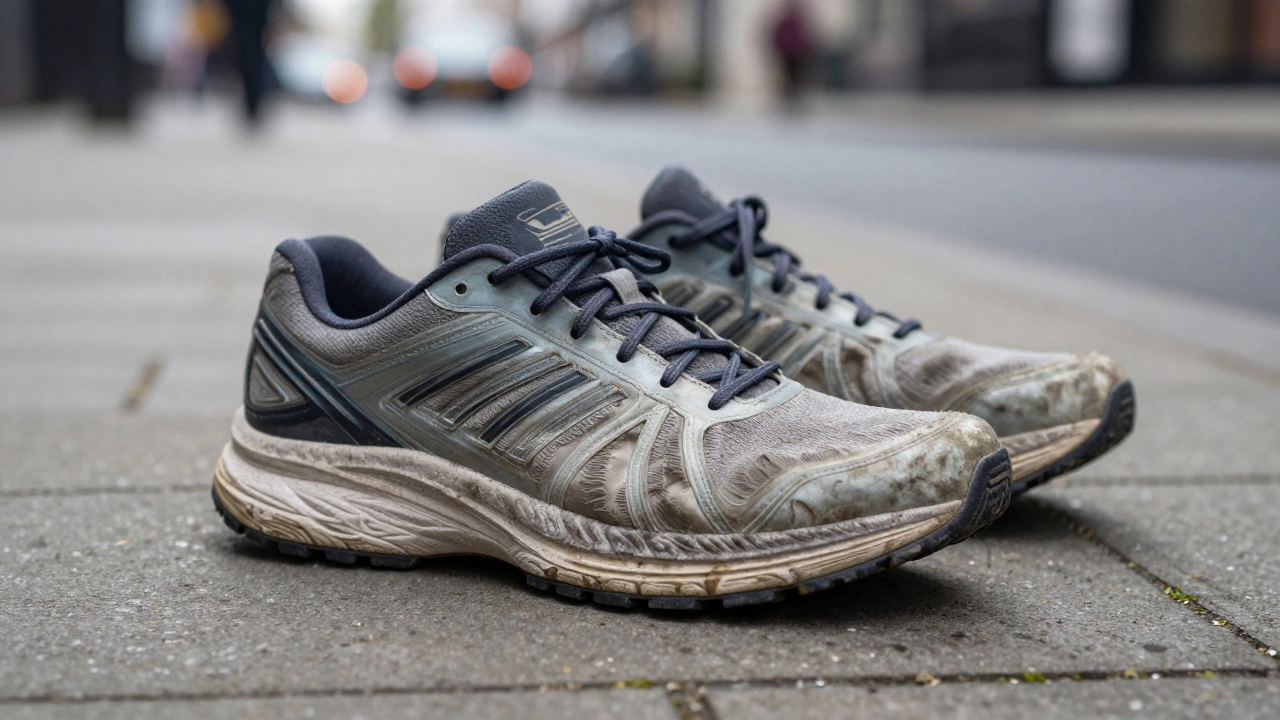
There is a specific moment every runner knows. It’s not the burn in your lungs or the heavy legs at mile ten. It’s that subtle, nagging ache in your shins or knees that appears out of nowhere. You check your form. You check your hydration. But the real culprit might be sitting on your feet right now: a pair of running shoes that have quietly expired.
We treat our cars with more respect than our footwear. We change oil based on mileage, rotate tires, and listen for strange noises. Yet, we often run until our shoes literally fall apart. This is a mistake that costs more than just money; it costs you time off the road due to preventable injuries. Understanding exactly how long running shoes are designed to last before their cushioning and support degrade significantly is the single most effective way to stay healthy on the pavement.
The Golden Rule: Mileage Matters More Than Months
If you want a simple number, here it is: most modern running shoes are designed to last between 300 and 500 miles (approximately 480 to 800 kilometers). This isn’t an arbitrary guess. It is based on the physics of foam compression. The midsole-the soft layer between your foot and the hard ground-is made of materials like EVA foam or polyurethane. Every time you strike the ground, these materials compress. Over hundreds of impacts, they lose their ability to rebound. They don’t necessarily look worn out, but they stop doing their job.
Why does this range vary so much? It comes down to three main factors:
- Your Weight: Heavier runners put more force into each step. If you weigh over 180 lbs (80 kg), your shoes will likely hit the end of their life closer to the 300-mile mark. Lighter runners might squeeze out 600 miles.
- The Shoe Type: A heavy-duty trail shoe with thick rubber outsoles and dense foam will outlast a lightweight racing flat. Daily trainers sit in the middle.
- The Surface: Concrete is brutal. Asphalt is slightly softer. Dirt trails are gentlest on the sole but can wear down the upper mesh faster if there’s gravel involved.
Don't rely on how the shoe looks. A pristine-looking pair of Nikes or Brooks might be dead inside. Conversely, a battered-up old pair might still have some spring left, though rarely enough to be safe for serious training.
Signs Your Shoes Are Done (Even If They Look Fine)
You need to learn to read your body and your gear. Waiting for the sole to peel off is too late. By then, your joints have been absorbing shock without help for dozens of runs. Here are the concrete signs that it is time to retire your current pair:
- New Aches: If you suddenly develop shin splints, plantar fasciitis pain, or knee discomfort, and you haven’t changed your routine, your shoes are likely the issue. The cushioning has bottomed out.
- The Twist Test: Take your shoe and try to twist it like a wet towel. New shoes resist twisting. Old shoes, where the midsole structure has collapsed, will twist easily. If it bends in the middle rather than at the toe box, throw it away.
- Visible Creasing: Look at the midsole foam. Deep, permanent creases indicate that the material has broken down. The foam cells have collapsed and won’t bounce back.
- Uneven Wear Patterns: Check the tread. While slight wear on the heel or forefoot is normal, extreme asymmetry suggests your gait has changed or the shoe’s stability features have failed. This can lead to ankle rolls.
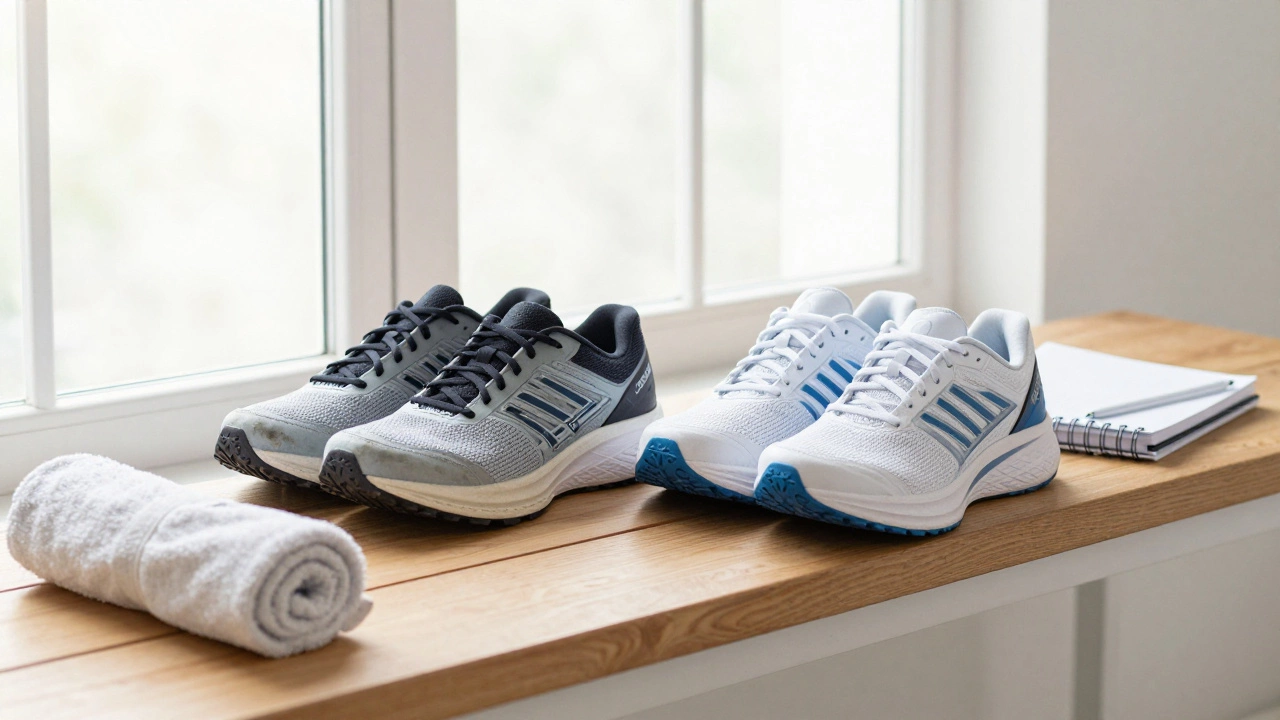
Keep a log. Use a running app or a simple notebook. Note the date you bought the shoes and track your total distance. When you hit 400 miles, start looking for a replacement. Don’t wait for the pain.
How to Make Your Shoes Last Longer
Can you stretch that 300-500 mile window? Yes, but only by changing how you use them. Most people ruin their shoes by wearing them everywhere. That sounds obvious, but many of us wear our expensive running sneakers to the grocery store, for walking around Melbourne, or even for light gym work. This adds non-running impact that degrades the foam without providing the necessary recovery time for the material.
Here is how to extend the life of your investment:
- Run Only: Keep your running shoes strictly for running. Buy a cheap, comfortable pair of walking shoes or sandals for daily errands. This alone can double the perceived lifespan of your running kit.
- Rotate Pairs: Foam needs 24 to 48 hours to fully decompress and regain its elasticity. If you run every day, buy two pairs and alternate them. Pair A on Monday, Pair B on Tuesday. This gives the foam time to recover, potentially adding 10-15% more life to both pairs.
- Air Dry, Never Heat Dry: After a sweaty run or a rainy session, stuff the shoes with newspaper to absorb moisture. Let them air dry at room temperature. Never put them in a dryer or near a heater. Heat breaks down the chemical bonds in the glue and the foam, causing them to crumble prematurely.
- Store Properly: Don’t leave them in a hot car trunk or a damp garage. Extreme temperatures accelerate material degradation.
Comparison: Shoe Types and Expected Lifespan
| Shoe Type | Primary Use | Average Lifespan (Miles) | Durability Factor |
|---|---|---|---|
| Daily Trainer | Most runs, easy pace | 400 - 500 | High (Balanced foam/rubber) |
| Racing Flat / Super Shoe | Speed work, races | 150 - 250 | Low (Thin foams, carbon plates fatigue) |
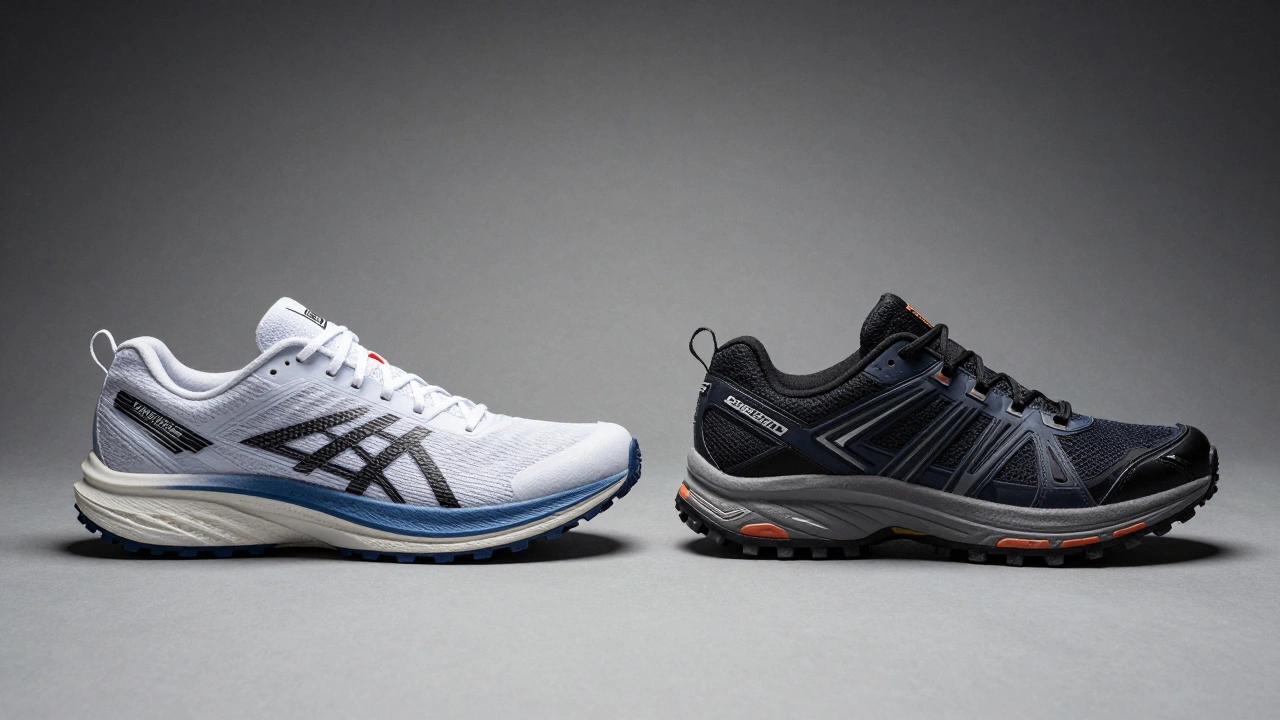
| Trail Runner | Dirt, rocks, mud | 300 - 400 | Medium (Rubber wears fast on rock) |
| Stability Shoe | Overpronators | 350 - 450 | Medium (Dense medial post wears evenly) |
Note the "Super Shoe" category. These high-performance models with carbon fiber plates and super-foams are marvels of engineering, but they are fragile. The plate can crack, and the specialized foam loses its energy return much faster than standard EVA. Treat these as race-day-only gear, not daily drivers.
The Cost of Cheapness: Why Replacing Shoes Saves Money
It feels wasteful to toss a $150 pair of shoes when they still look decent. But consider the alternative. A visit to a physiotherapist for stress fractures or chronic tendonitis can cost hundreds of dollars, not to mention weeks of missed training. Injuries derail fitness goals far more effectively than bad weather.
Think of shoe replacement as insurance. Spending $150 every six months to eight months is a small price for consistent, pain-free running. Furthermore, older shoes perform worse. As cushioning dies, your legs have to work harder to absorb impact. This increases fatigue, making your runs feel slower and harder. Fresh shoes make you feel lighter and faster, which keeps motivation high.
What To Do With Old Running Shoes
Once your shoes are retired from running, don’t just bin them. There are better options:
- Recycling Programs: Many major brands like Nike, Adidas, and local Australian retailers have take-back programs. They shred the shoes to create surface materials for playgrounds or sports courts.
- Garden Work: Old sneakers are perfect for gardening. They provide excellent grip and ankle support for kneeling in dirt, and since they’re already destroyed, you don’t care about mud stains.
- House Slippers: If they’re clean and odor-free, they make comfortable indoor slippers. Just ensure they aren’t too worn, as tripping hazards indoors are no joke.
By understanding the lifecycle of your footwear, you take control of your running health. Track your miles, listen to your body, and rotate your gear. Your knees will thank you.
Can I tell if my running shoes are worn out by looking at the soles?
Not always. The outer rubber sole often lasts longer than the inner foam midsole. You might see smooth spots on the heel or forefoot, which is normal wear. However, if the foam underneath is deeply creased or compressed, the shoe is dead even if the rubber tread looks okay. Always check the midsole condition, not just the tread pattern.
Does rotating two pairs of running shoes actually make them last longer?
Yes. Foam materials need 24 to 48 hours to fully recover their shape and elasticity after being compressed during a run. By alternating between two pairs, you give each pair time to decompress. This prevents permanent deformation and can extend the usable life of both pairs by approximately 10-15%.
How many miles should a pair of lightweight racing shoes last?
Lightweight racing flats or carbon-plated super shoes typically last between 150 and 250 miles. Their specialized foams are thinner and less durable than daily trainer foams, and carbon plates can fatigue or crack over time. Reserve these shoes for speed workouts and race days only.
Should I replace my running shoes if I only run once a week?
If you only run short distances occasionally, your shoes may last several years. However, materials degrade over time due to oxidation and humidity, even without use. If it has been more than 3-5 years since purchase, the foam may have hardened and lost its protective qualities, regardless of mileage.
Can I wash my running shoes to make them last longer?
Avoid machine washing. Agitation and heat can break down adhesives and deform the foam. Instead, hand-wash the uppers with mild soap and water, remove the insoles to air dry separately, and stuff the shoes with paper to maintain shape. Allow them to dry naturally away from direct heat sources.