Marathon Finish Time Calculator
Set Your Goal
Enter your target hours and minutes to calculate the required pace.
Your Required Stats
How does this compare?
Enter a time to see how your goal stacks up against average marathon statistics.
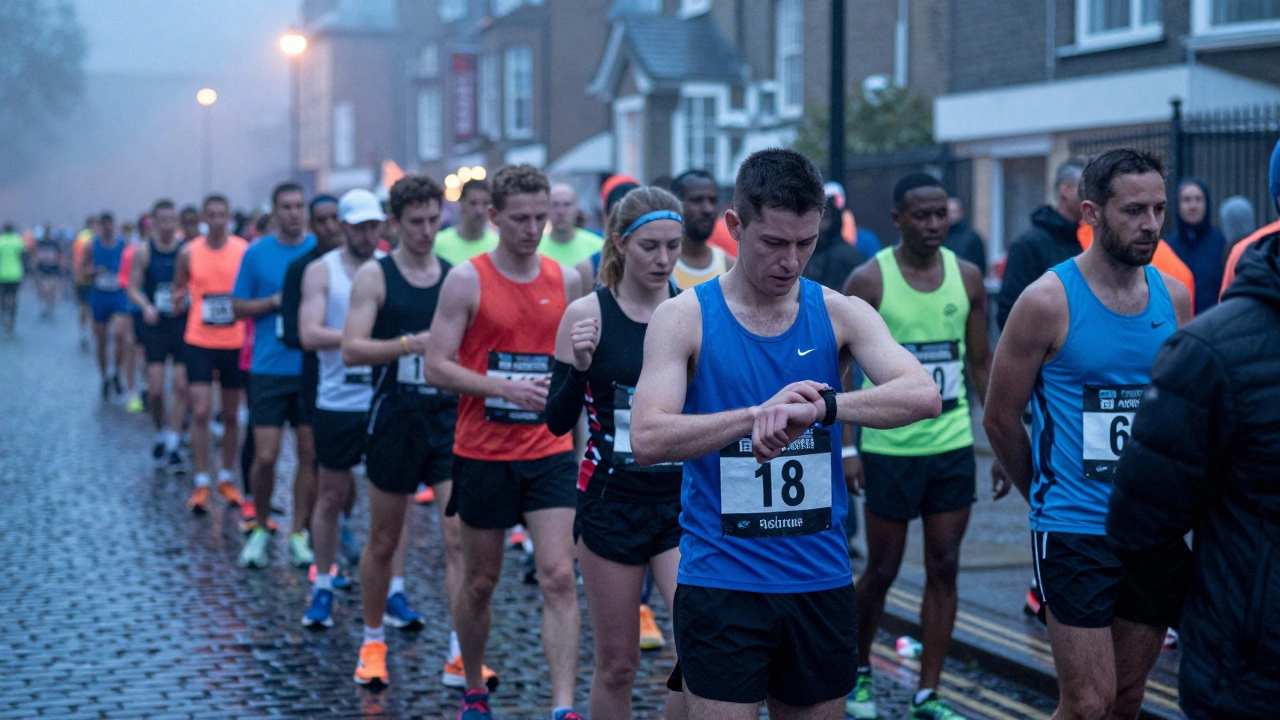
Imagine standing at the start line of your first marathon, a long-distance running race covering 26.2 miles or 42.195 kilometers. You’ve trained hard, you’re excited, and maybe a little terrified. As the clock ticks past hour five, doubt creeps in. Are you going too slow? Is six hours actually bad? If you are asking yourself this, you are not alone. It is one of the most common questions among new runners.
The short answer is no. Six hours is not slow. In fact, it is a massive achievement. But to really understand where that number sits in the world of running, we need to look at the data, the demographics, and what finishing in six hours actually feels like on the road.
The Math Behind the Six-Hour Mark
Let’s break down the numbers because they tell a clearer story than our anxiety does. A marathon is exactly 26.2 miles (42.195 kilometers). To finish in six hours, you need to maintain an average pace of about 13 minutes and 47 seconds per mile. That translates to roughly 8 minutes and 35 seconds per kilometer.
If you prefer thinking in speed rather than pace, that is an average speed of just under 4.4 miles per hour (7 kilometers per hour). For context, a brisk walk is usually around 3 to 3.5 mph. So, a six-hour marathon is significantly faster than walking, but it requires endurance that goes beyond a casual stroll.
| Finish Time | Mile Pace | Kilometer Pace | Average Speed (mph) |
|---|---|---|---|
| 4:00:00 | 9:09 min/mi | 5:41 min/km | 6.55 mph |
| 5:00:00 | 11:26 min/mi | 7:07 min/km | 5.24 mph |
| 6:00:00 | 13:47 min/mi | 8:35 min/km | 4.37 mph |
| 7:00:00 | 16:12 min/mi | 10:10 min/km | 3.74 mph |
Looking at this table, you can see that dropping from six hours to five hours isn't just a small tweak; it requires shaving over two minutes off every single mile. That is a huge jump in intensity. Conversely, moving from seven hours to six hours is still significant, but it feels more achievable for many beginners who are transitioning from walking to jogging.
Where Do You Stand Among Other Runners?
To put your potential six-hour finish into perspective, let’s look at the statistics. Data from major marathons like the New York City Marathon, a annual major marathon held in New York City, United States, and the Boston Marathon, a annual marathon held in Boston, Massachusetts, known for its historic course and qualifying standards, show consistent trends.
In most large city marathons, the median finish time hovers between 4 hours and 4 hours and 30 minutes. This means half of the runners finish faster than that, and half finish slower. A six-hour finish typically places you in the bottom 20% to 30% of finishers. Does that sound bad? It shouldn’t. Remember, the top 50% includes serious athletes who train daily, often logging 40 to 60 miles a week. You are likely comparing yourself to people whose job or lifestyle revolves around running.
Consider the demographic breakdown. Older age groups tend to have slower average times. If you are over 50, a six-hour marathon might place you closer to the median for your age group. Gender also plays a role in statistical averages, with women generally having slightly slower median times than men in mass-participation events, though the gap narrows significantly at the elite level.
The Physical Reality of a Six-Hour Marathon
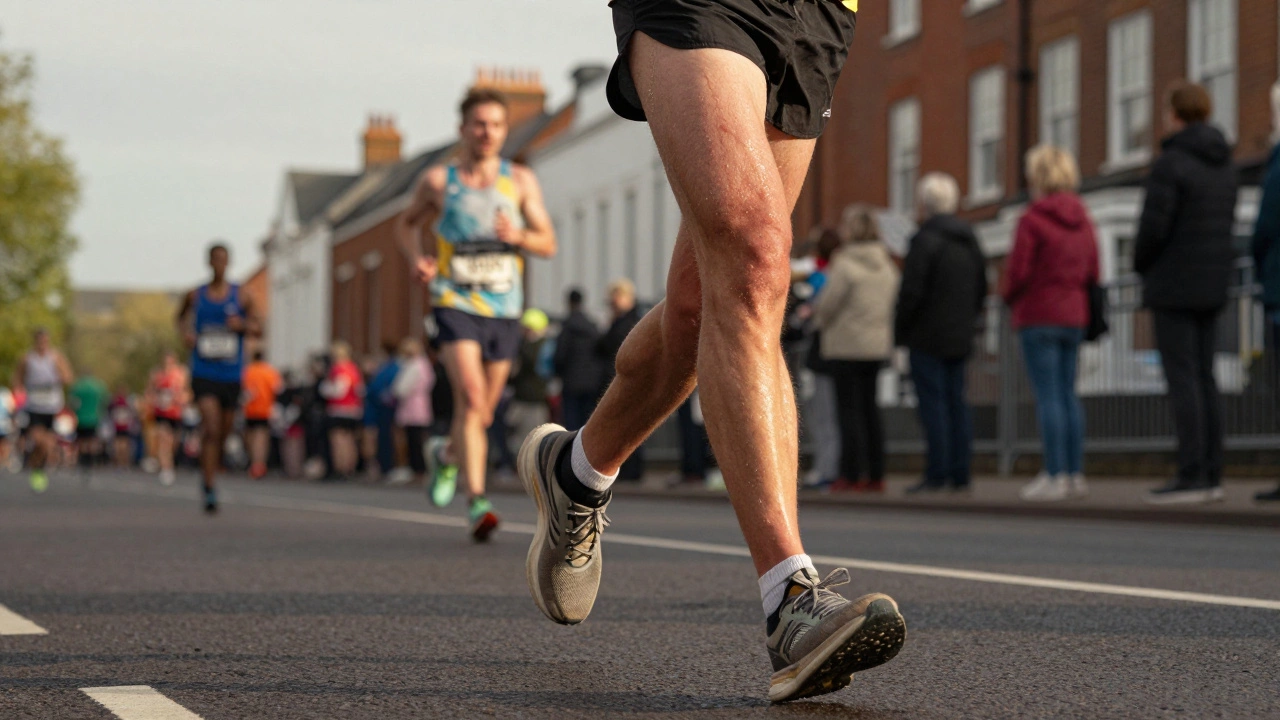
Finishing a marathon in six hours is not just about speed; it is about survival. At a 13:47 minute-per-mile pace, you are spending nearly six hours under physical stress. Your body burns through glycogen stores, deals with muscle fatigue, and manages dehydration.
Many runners aiming for a six-hour finish use a run-walk strategy. This is perfectly valid. The famous Galloway method suggests intervals like running for three minutes and walking for one. This keeps your heart rate manageable and reduces impact on your joints. If you spend half that time walking and half jogging, you are still completing the distance. The badge you get at the end doesn’t care how you moved your legs, only that you crossed the line.
Think about the mental game. Hour four is often called "the wall." This is when your body runs out of easy energy. For a six-hour runner, hitting the wall might mean slowing down to a walk. That is okay. Pushing through pain is part of the experience. Many elite runners hit walls too; they just have the fuel and training to push past them faster. You don’t need to be fast to be tough.
Why Comparing Times Can Be Dangerous
We live in a culture obsessed with metrics. Strava segments, personal bests, and social media posts can make a six-hour finish feel inadequate. But here is the truth: running is deeply personal. Your reasons for running matter more than your split times.
Maybe you ran to prove you could do something difficult after an injury. Maybe you ran to raise money for charity. Maybe you just wanted to say you finished a marathon. These goals are not measured in minutes per mile. When you fixate on being "slow," you ignore the massive accomplishment of enduring 26.2 miles. Most people will never run a marathon. By showing up, you are already ahead of the vast majority of the population.
Also, consider the conditions. Did it rain? Was it hot? Was the course hilly? A flat, cool day makes a six-hour finish easier. A humid, hilly course makes it much harder. Comparing your time on a tough day to someone else’s time on an easy day is unfair to yourself.

Training for a Six-Hour Finish
If you are aiming for that six-hour mark, your training should reflect that goal. You don’t need to run long distances at a sprint pace. Instead, focus on consistency and volume.
- Long Runs: Build up to a 18-20 mile long run once a week. Keep these easy. Aim for a conversational pace. If you can’t talk, you are going too fast.
- Cross-Training: Include cycling or swimming to build cardiovascular fitness without pounding your knees.
- Strength Training: Two days a week of core and leg strength exercises will help prevent injuries and keep you upright in the final miles.
- Practice Nutrition: Test your gels, chews, and hydration strategies during long runs. Don’t try anything new on race day.
Remember, the goal is to finish strong, not to burn out by mile 15. A steady, sustainable pace is key. If you find yourself breathing heavily during your long training runs, slow down. Easy runs build the aerobic base that allows you to go longer.
What Comes After the Finish Line?
Crossing the finish line in six hours brings a unique mix of emotions. There is relief, pride, and often exhaustion. You might feel sore for days. That is normal. Take time to recover. Stretch, hydrate, and eat well. Celebrate your achievement. Buy those nice shoes. Tell your friends.
If you decide to run another marathon, you might aim for five hours. Or you might stick with six. Both are great goals. The important thing is that you enjoy the process. Running should add to your life, not drain it. Whether you are a seasoned athlete or a first-timer, respect the distance. Respect your effort. And know that six hours is a testament to your dedication.
So, is six hours slow? Statistically, yes, compared to the median. Practically? No. It is a solid, respectable, and challenging time that proves you have the grit to complete one of the toughest physical challenges available to amateurs. Wear your medal with pride.
What is a good marathon time for a beginner?
A good marathon time for a beginner is any time that allows you to finish safely. Typically, first-time runners finish between 4 and 6 hours. Aiming for under 5 hours is a common goal, but finishing in 6 hours is still a significant achievement and places you well within the norm for recreational runners.
Can I walk parts of the marathon and still finish in 6 hours?
Yes, absolutely. Many runners use a run-walk strategy to conserve energy. Walking at a moderate pace for short intervals can help you maintain an overall average that keeps you under the 6-hour mark while reducing fatigue and injury risk.
How many calories does a 6-hour marathon burn?
Calorie burn varies by weight and metabolism, but a general estimate is 100 calories per mile. Therefore, a 26.2-mile marathon burns approximately 2,600 calories. However, this is an estimate, and individual results may vary based on intensity and body composition.
Is 6 hours considered a slow pace for a marathon?
Statistically, a 6-hour finish is slower than the median time for most major marathons, which is around 4 to 4.5 hours. However, it is not "slow" in a negative sense. It represents a solid effort for a recreational runner and is faster than the cutoff times for some smaller races.
What is the average marathon time for women?
The average marathon time for women varies by age group and region, but generally falls between 4 hours and 5 hours. For example, in many US marathons, the median female finish time is around 4 hours and 30 minutes. A 6-hour finish is below the median but still a commendable result.