Boxing Skill Breakdown Calculator
Analyze how much of a fighter's success comes from punching versus other critical skills like footwork, defense, and strategy.
Rate each component of the fighting style:
Ready to Analyze
Adjust the sliders or click "Analyze Fighter Profile" to see the breakdown.
When you watch a heavyweight bout on Saturday night, the highlight reel is usually all about the knockout. You see the big right hand connect, the opponent drop to the canvas, and the crowd erupts. It’s easy to walk away thinking that boxing is a combat sport focused entirely on throwing powerful punches until one fighter can no longer continue. If that’s your impression, you’re missing about 80% of what actually happens in the ring.
The question "is boxing only punching?" is one of the most common misconceptions among casual fans. The short answer is no. While striking is the offensive engine, the sport runs on a complex chassis of movement, defense, timing, and mental endurance. A boxer who knows how to punch but doesn’t know how to move or defend will get knocked out in the first round. Let’s break down why the hands are just the tip of the iceberg.
The Foundation: Footwork and Balance
If punching is the sword, footwork is the horse. Without good balance and positioning, your strikes have no power, and you’re an easy target. In professional boxing, champions like Muhammad Ali and Sugar Ray Leonard weren’t just famous for their fists; they were legendary for their feet.
Effective footwork serves three main purposes:
- Creating Angles: By pivoting around your opponent, you step out of their line of fire while opening up new paths for your own attacks.
- Distance Management: Knowing exactly how long your jab is compared to your opponent’s reach allows you to strike without getting hit back. This is often called "range control."
- Balance and Power: Punches don’t start in the shoulder; they start in the legs. A proper hook generates torque from the ground up. If your feet are planted incorrectly, you lose that kinetic energy.
Think of it like dancing. If you’ve ever tried to box, you know that standing still makes you feel vulnerable. Moving constantly keeps you unpredictable. A boxer who shuffles awkwardly telegraphs their next move because their body weight shifts visibly before their hand does.
Defense: More Than Just Blocking
Many people assume defense means raising your gloves high and hoping for the best. That’s a recipe for getting tired and overwhelmed. Advanced boxing defense is active, not passive. It involves neutralizing threats before they even leave your opponent’s stance.
There are several layers to defensive skill:
- The Slip: Moving your head slightly off-center so a punch misses by inches. This requires precise timing.
- The Parry: Using your lead hand to deflect an incoming jab, redirecting its force away from your face.
- The Roll: Dropping your shoulder and curving under a cross to emerge behind your opponent for a counter.
- The Pull: Leaning back at the last second to let a hook sail harmlessly past your nose.
Fighters like Floyd Mayweather Jr. built careers on this exact philosophy. He didn’t just block punches; he made his opponents miss. Every time an opponent swings and misses, they lose energy and confidence. You gain both. Defense isn’t just about survival; it’s a tactical tool to wear down the other guy.
Ring IQ and Strategy
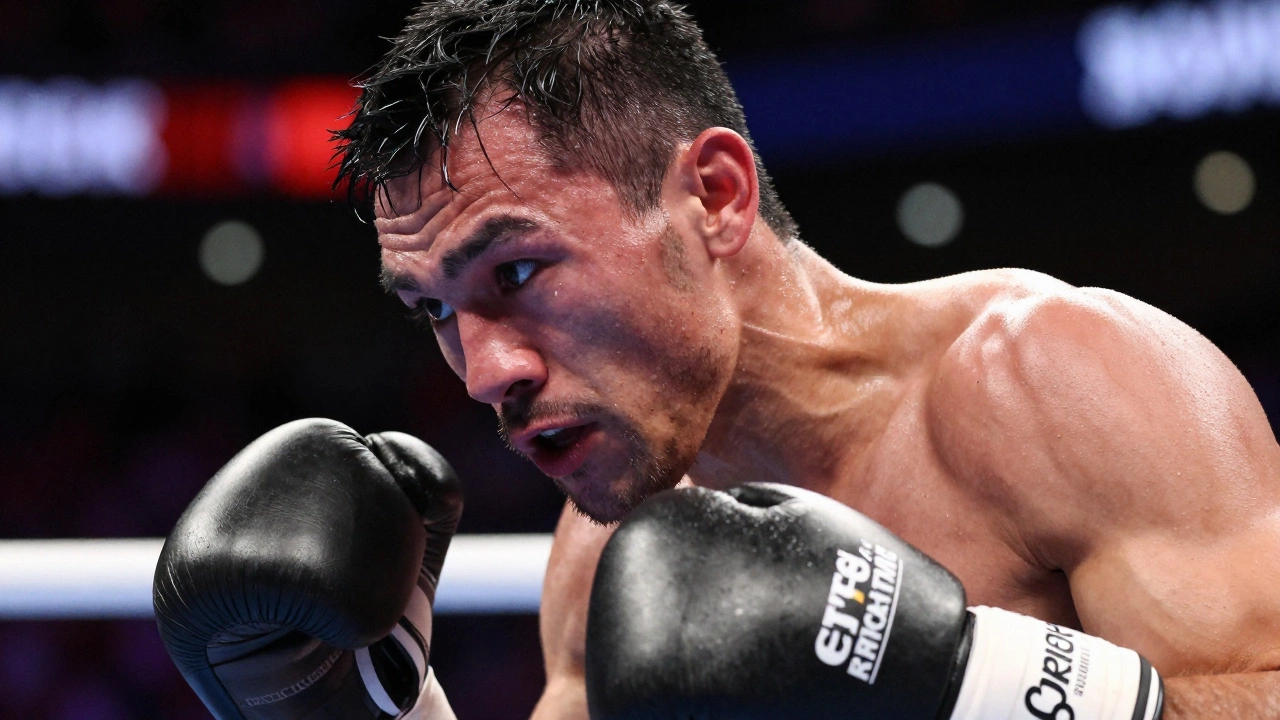
This is where boxing separates itself from bare-knuckle brawling. Ring Intelligence, or the ability to analyze an opponent's habits, adjust tactics mid-fight, and conserve energy for critical moments, is arguably more important than raw strength. You can be the strongest person in the gym, but if you can’t figure out how to beat your specific opponent, you’ll lose.
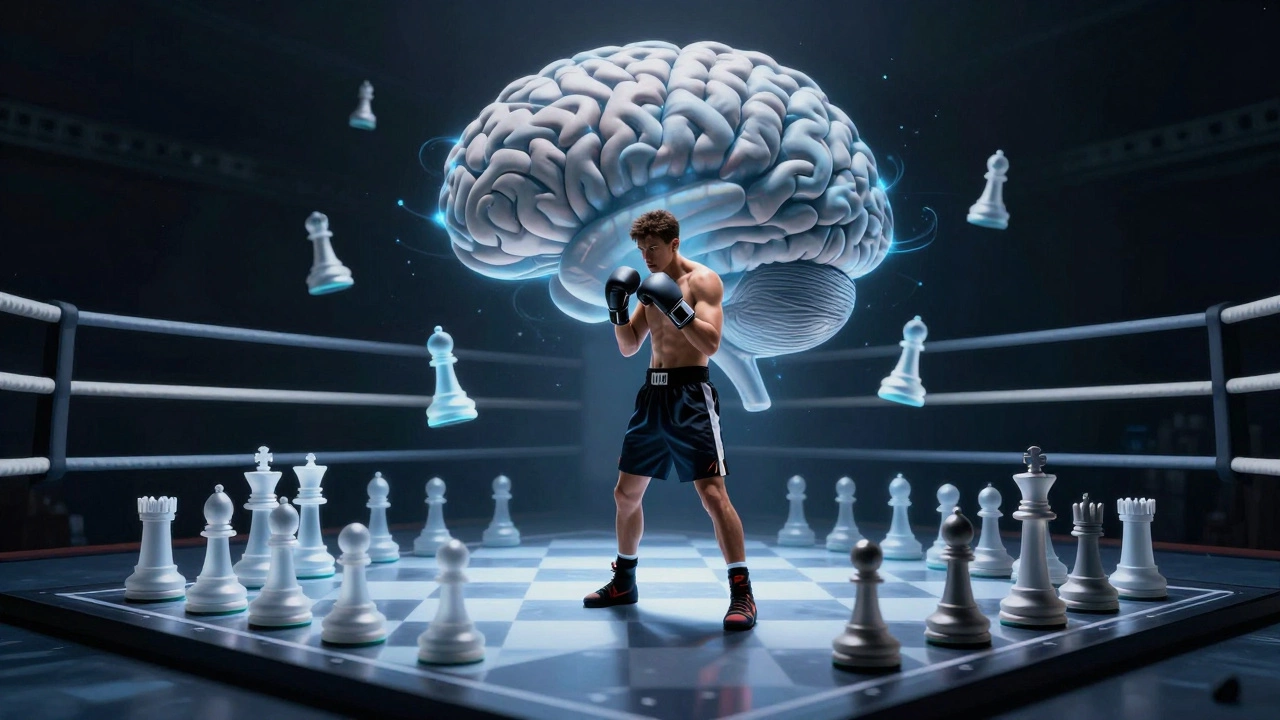
Boxing is often described as "physical chess." You’re constantly asking questions:
- Does my opponent favor their left or right hand?
- Do they tire out after three minutes of pressure?
- Are they trying to clinch to hide fatigue?
- Where do they look when they’re preparing to throw a big shot?
A smart boxer changes pace. They might spar lightly in rounds 1 through 4 to study their opponent, then explode with combinations in rounds 5 through 6. They know when to take a small hit to set up a bigger counter. This strategic layer turns a fight into a puzzle rather than just a slugfest.
Body Work and Target Selection
When we talk about punching, we usually think of the head. But targeting the body is a crucial part of the sport that slows down opponents effectively. Hitting the ribs, liver, or solar plexus drains stamina faster than any headshot. A fighter who gets hit repeatedly in the body will eventually find themselves gasping for air, making their movements sluggish and their defense weak.
Smart boxers mix head and body shots. This keeps the opponent guessing. If they keep their hands high to protect their face, you hit the body. If they drop their hands to guard their midsection, you go for the head. This variation is key to breaking through solid defenses.
The Mental Game and Conditioning
Finally, boxing is a test of mental fortitude. The physical pain is real, but the psychological pressure is immense. Staring into the eyes of someone who wants to hurt you requires focus, discipline, and emotional control. Panic leads to mistakes. Mistakes lead to knockouts.
Conditioning also plays a massive role. You need cardiovascular endurance to maintain intensity for twelve three-minute rounds. Core strength helps you absorb impacts without losing posture. Flexibility allows you to slip punches that would otherwise catch you clean. All these physical attributes support the act of punching, but they are distinct skills in themselves.
| Component | Primary Function | Why It Matters |
|---|---|---|
| Footwork | Positioning and Balance | Controls distance and creates safe angles for offense |
| Defense | Dodging and Deflecting | Conserves energy and opens up counter-attack opportunities |
| Ring IQ | Tactical Analysis | Allows adaptation to opponent's style during the fight |
| Conditioning | Endurance and Recovery | Ensures performance remains consistent across all rounds |
Conclusion
So, is boxing only punching? Definitely not. Punching is the visible result, but it’s supported by a vast network of skills including intricate footwork, sophisticated defensive maneuvers, strategic thinking, and elite physical conditioning. To reduce boxing to just hitting things is to ignore the artistry and science that make it one of the most respected combat sports in the world. Next time you watch a match, pay attention to the feet, the slips, and the pauses between exchanges. That’s where the real game is played.
Can you win a boxing match without landing many punches?
Yes, it is possible to win by decision even with fewer landed punches if those punches are cleaner, more impactful, or better placed. Judges score based on effective aggression, ring generalship, and defense. A fighter who controls the center of the ring and lands precise counters can win over a busy but inaccurate opponent.
How important is footwork in amateur boxing?
Footwork is critical in amateur boxing. Since scoring rules often reward clear, clean hits and safety, moving in and out quickly allows amateurs to land points and retreat before being countered. Poor footwork leaves amateurs exposed to penalties and deductions.
What is the difference between boxing and kickboxing?
The primary difference is the use of legs. Boxing restricts strikes to the hands above the waist. Kickboxing allows kicks and sometimes knees and elbows. This changes footwork significantly, as kickboxers must defend against low kicks and manage a larger range of attack.
Do boxers train their brains or just their bodies?
Boxers extensively train their minds. They study film of opponents, practice reaction drills, and develop mental resilience. Visualization techniques and meditation are common tools used to improve focus and reduce anxiety before stepping into the ring.
Is defensive boxing considered boring?
Some casual fans may find highly defensive styles less exciting initially, but experienced viewers appreciate the technical mastery involved. Defensive fighters often create spectacular counter-punching moments. The tension of watching a master evade every strike is a unique thrill in combat sports.