Sports Equipment Cost Estimator
Configure Your Kit
Equipment Breakdown
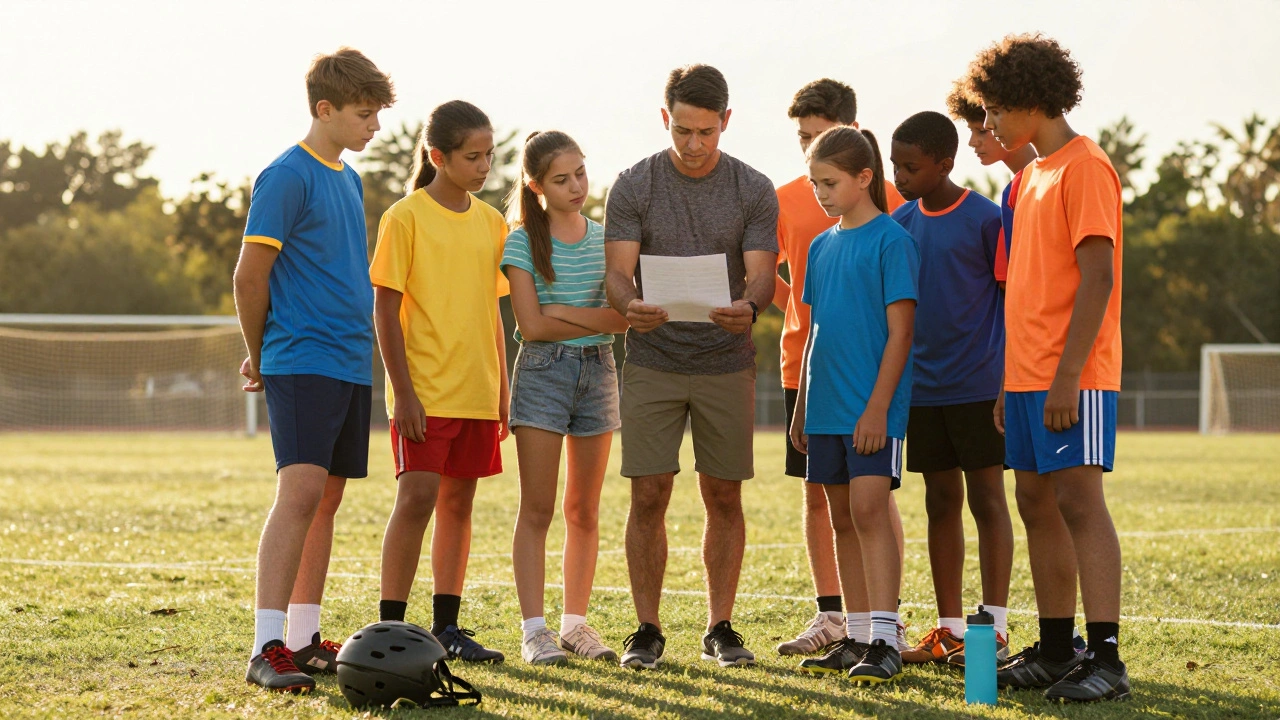
RugbyPicture this: you've just signed up for your first season of soccer, rugby, or maybe even rock climbing. You're excited, ready to hit the field, and then the coach hands you a piece of paper. It’s not a playbook. It’s a list. An equipment list. Suddenly, that excitement turns into confusion. Do you need specific shoes? Is mouthguard optional? What is this 'shin guard' thing everyone talks about?
An equipment list is more than just a shopping trip trigger. It is a roadmap for safety, performance, and compliance. Whether you are playing backyard pickup games or competing in professional leagues, knowing exactly what gear belongs on that list-and why-is crucial. Let’s break down what actually goes into these lists, how they vary by sport, and how to build yours without wasting money on gear you’ll never use.
The Core Components of Any Sports Kit
Every sport has its quirks, but almost every equipment list shares a common DNA. These are the non-negotiables that form the foundation of your athletic wardrobe. Think of these as the 'base layer' of any sports participation.
First, there is the uniform. This usually consists of moisture-wicking shirts, shorts, or pants designed specifically for movement. Cotton is generally out because it holds sweat, leading to chafing and discomfort. Next comes footwear. This is often the most expensive item on the list. A generic running shoe won’t cut it for tennis, where lateral support is key, nor for football, where traction studs prevent slips. The right shoes protect your ankles and knees from twisting injuries.
Then we have protective gear. This varies wildly but always aims to prevent injury. For contact sports like rugby or American football, this means helmets, pads, and cups. For non-contact sports like cycling, it might mean a helmet and knee pads. Finally, there are accessories. Water bottles, bags, towels, and sometimes specific balls or bats if the league doesn't provide them. Understanding these four categories-uniform, footwear, protection, and accessories-helps you decode any list you receive.
Why can't I just wear cotton clothes?
Cotton absorbs sweat and stays wet, which causes chafing, blisters, and can make you feel cold after exercise. Synthetic fabrics wick moisture away from your skin, keeping you dry and comfortable.
Sport-Specific Breakdowns: What You Actually Need
Generic advice is fine, but let’s get real. Your needs depend entirely on the sport. Here is how equipment lists differ across popular activities, highlighting the unique items that define each game.
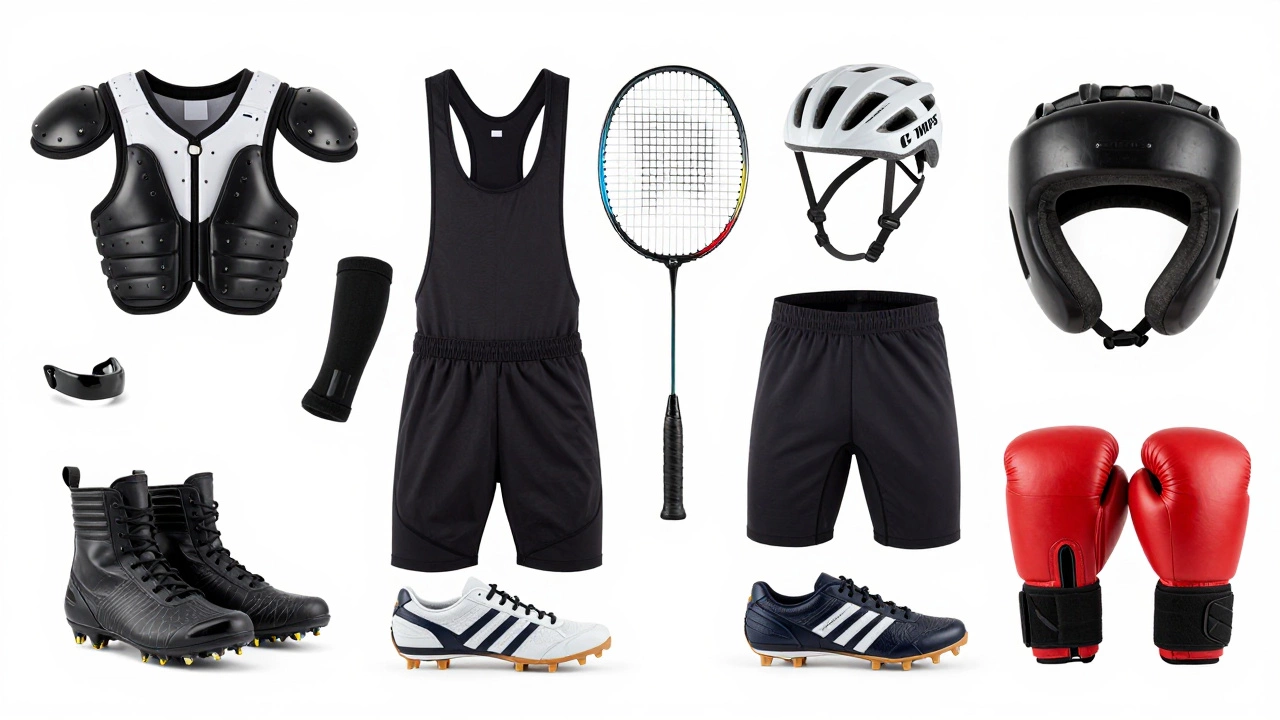
Rugby is a high-impact contact sport requiring significant protective gear. If you are joining a rugby team, expect a long list. Mandatory items include a gum shield (mouthguard), which protects your teeth and reduces concussion risk. You’ll also need rugby boots with studs for grip on grass, and likely shoulder pads depending on the level of play. Compression shirts are common to hold pads in place and reduce muscle vibration. Don't forget socks that go over shin guards; yes, rugby players wear shin guards too, though they are less bulky than soccer ones.
Tennis is a racket sport emphasizing agility and wrist stability. For tennis, the focus shifts to footwear and hand protection. Tennis shoes must have reinforced sides for lateral movements. You will need a racket, obviously, but also overgrips to keep your hands dry. Many players add arm sleeves to protect against sunburn and friction. Knee braces are common for those with previous injuries. Unlike rugby, there is no heavy padding, but the demand on joints is high, so proper footwear is critical.
Cycling is an endurance sport prioritizing aerodynamics and safety. Cycling lists are technical. You need a helmet that meets safety standards (like MIPS technology). Padded shorts (bibs) are essential to prevent saddle soreness. Clip-in pedals require specific cycling shoes with stiff soles. Reflective vests and lights are mandatory for road safety. Hydration packs or bottle cages are part of the kit because you can't stop easily to drink water.
Boxing is a combat sport requiring head and hand protection. Boxing gear is specialized. Gloves come in different weights (12oz, 16oz) for training vs. sparring. Hand wraps are crucial to support wrists and knuckles. A mouthguard is mandatory. Headgear is required for sparring to reduce cuts and impact. Heavy bag gloves differ from sparring gloves, so beginners often start with one versatile pair before upgrading.
| Sport | Primary Footwear | Key Protective Gear | Unique Accessories |
|---|---|---|---|
| Rugby | Studded Boots | Mouthguard, Shoulder Pads | Compression Shirt |
| Tennis | Lateral Support Shoes | Knee Brace (Optional) | Overgrips, Arm Sleeve |
| Cycling | Clip-in Shoes | Helmet, Padded Shorts | Lights, Reflective Vest |
| Boxing | Training Shoes | Gloves, Mouthguard, Headgear | Hand Wraps |
Safety First: Why Some Items Are Non-Negotiable
You might be tempted to skip certain items to save money. "I'll just borrow a helmet," or "I don't think I need shin guards." This is a dangerous mindset. Equipment lists aren't created by coaches who love shopping; they are created based on injury prevention protocols and league regulations.
Take helmets in cycling or rugby. A properly fitted helmet absorbs impact energy that would otherwise reach your skull. Skipping it isn't a small risk; it's a life-altering one. Similarly, mouthguards in contact sports prevent dental trauma and concussions. Studies show that athletes wearing mouthguards suffer fewer severe injuries. These items are insurance policies for your body.
Even seemingly minor items matter. Wearing the wrong socks can cause blisters that sideline you for weeks. Using worn-out shoes increases the risk of ankle sprains. When you see an item on the list, assume it exists for a reason. If you are unsure, ask. But never ignore safety gear.
Budgeting Your Gear: Smart Buying Strategies
Buying all this gear at once can be daunting. Here is how to approach it without breaking the bank.
Start with the essentials. Identify the items marked 'mandatory' or 'required.' Buy these first. For example, in soccer, buy cleats and shin guards before you buy a fancy jersey. Prioritize fit and function over brand names. A cheaper pair of well-fitting shoes is better than expensive ones that hurt your feet.
Look for second-hand options for durable goods. Helmets should always be new due to potential hidden damage, but jerseys, bags, and even some pads can be bought used. Check local sports shops, online marketplaces, or team swap groups. Many teams have leftover gear from seniors moving up.
Invest in longevity for high-wear items. Shoes and gloves degrade quickly. Buy mid-range brands that offer good value rather than top-tier pro models unless you are competing at a high level. Pro gear is designed for elite performance, not necessarily durability for beginners.
Maintaining Your Equipment: Extending Its Life
Once you have your gear, you need to take care of it. Neglect leads to premature replacement costs.
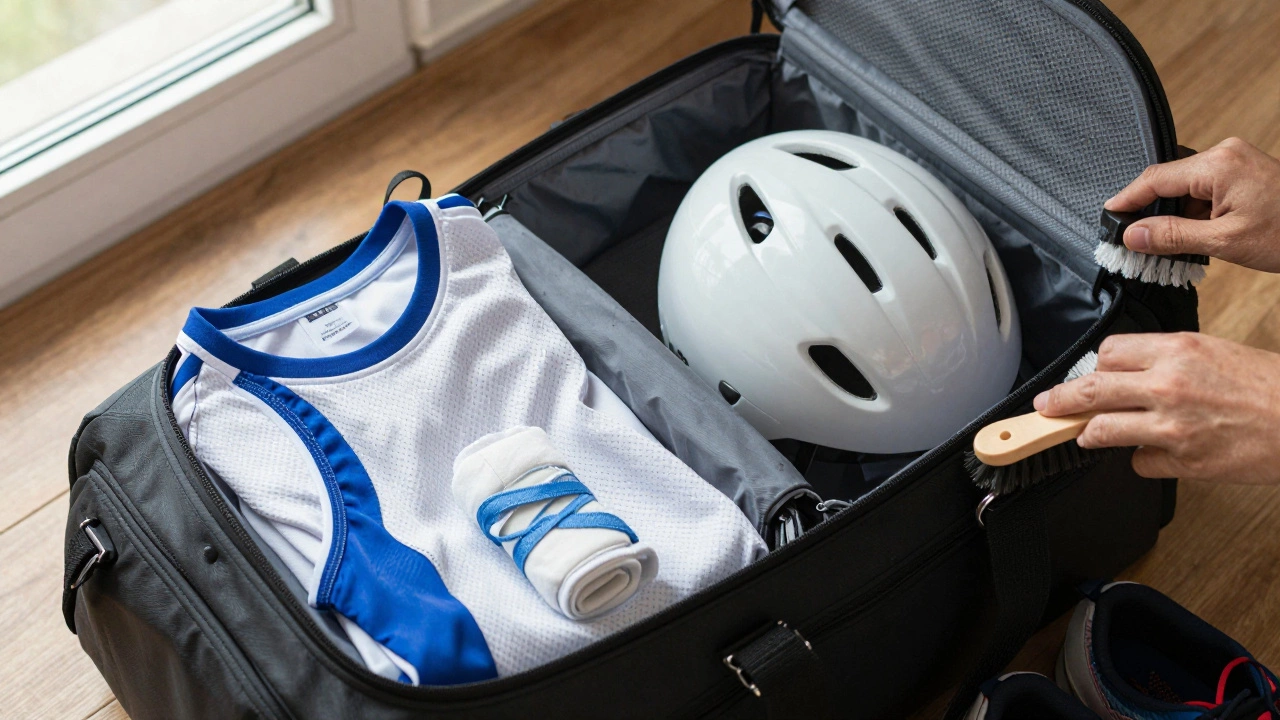
Clean your shoes after every use. Mud and dirt break down materials. Air them out to prevent odor and bacterial growth. Wash uniforms according to label instructions, but avoid fabric softeners which can reduce moisture-wicking properties. Store helmets in a cool, dry place away from direct sunlight, which can weaken plastics.
Inspect protective gear regularly. Check for cracks in helmets, loose straps on pads, and worn-out soles on shoes. Replace items when they show signs of damage. Don't wait until they fail during a game. Regular maintenance ensures your gear performs as intended when you need it most.
Common Mistakes Beginners Make
New athletes often fall into predictable traps. Avoiding these saves time and money.
- Buying Too Early: Wait until you confirm your position or role. A goalkeeper needs different gloves than a striker. A center in basketball needs different shoes than a point guard.
- Ignoring Fit: Never buy gear based solely on size charts. Try everything on. Feet swell during exercise, so shop for shoes later in the day.
- Overcomplicating: You don't need the latest tech for every item. Stick to basics until you understand what works for your body.
- Forgetting Extras: Don't overlook small items like hair ties, sunscreen, or extra laces. These seem trivial but can ruin a session if missing.
Building Your Personal Inventory Checklist
Create a master list for yourself. Keep it updated. Include purchase dates and warranty information. This helps you track when items need replacing. Use a simple spreadsheet or note-taking app. Categorize items by sport and priority. Review it before each season starts.
Share your list with teammates. Borrowing items occasionally is normal, but having your own core set ensures you are always ready. Lend responsibly. Protect your gear when lending it out.
Finally, remember that an equipment list is a living document. As you progress in your sport, your needs will change. You might upgrade from basic cleats to lightweight racing spikes. You might add compression gear for recovery. Stay flexible and adapt your kit as you grow.
Can I share my helmet with a friend?
No. Helmets are designed for individual fit and hygiene. Sharing can compromise structural integrity and spread bacteria. Always use your own helmet.
How often should I replace my sports shoes?
Generally every 500-800 kilometers or 6-12 months, depending on usage. Check for worn tread and loss of cushioning.
Is expensive gear always better?
Not necessarily. Mid-range gear often offers the best balance of performance and durability. Pro gear is for elite athletes with specific needs.
What if I can't afford all the equipment?
Prioritize safety gear first. Look for second-hand options, team swaps, or financial assistance programs offered by local clubs or community centers.
Do I need different shoes for training and matches?
Ideally, yes. Training shoes are built for durability and varied surfaces, while match shoes prioritize lightweight performance. However, one versatile pair can suffice for beginners.