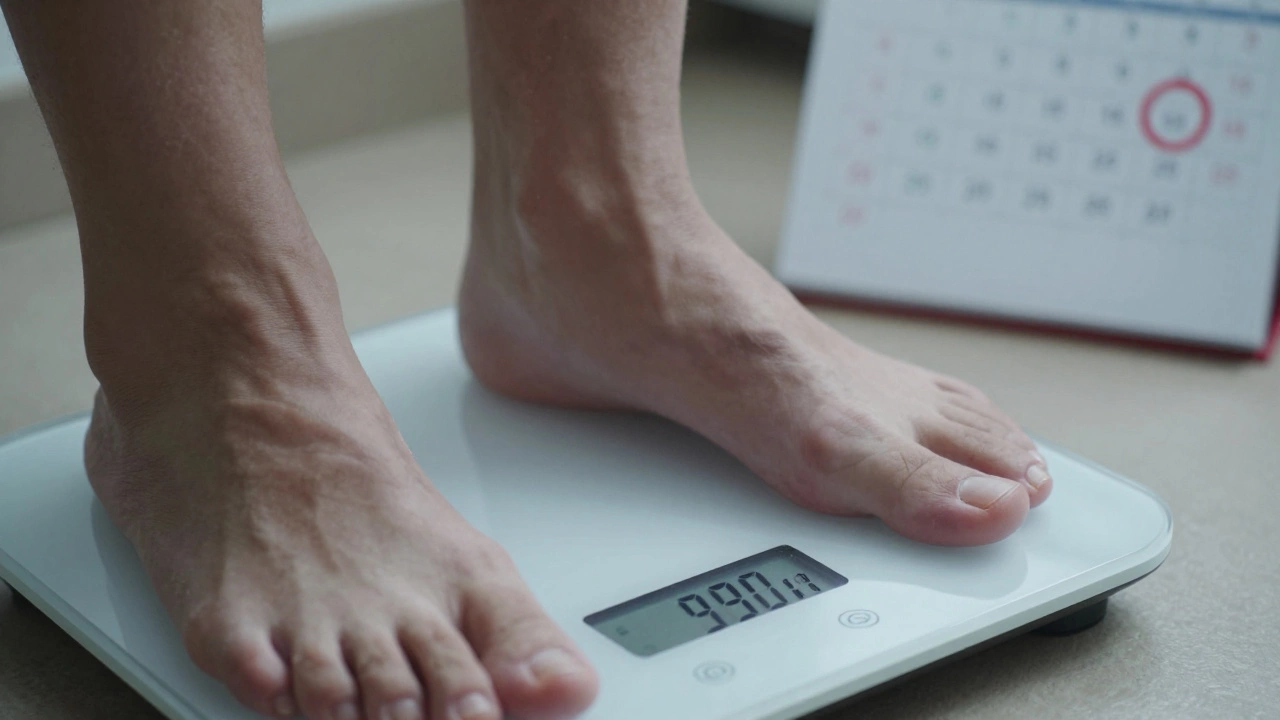
Rapid Weight Loss Reality Calculator
Your Goals
The Math Behind The Scale
Based on the scientific standard that 1 lb of body fat requires a ~3,500 calorie deficit.
It is a question that pops up in almost every fitness forum, usually right before a wedding, a reunion, or a summer vacation. You want to drop ten pounds by Friday. It sounds like a movie plot, but in reality, it is a physiological impossibility if you are talking about actual body fat. However, if you are talking about the number on the scale, the answer is slightly more nuanced-and significantly more dangerous.
You cannot burn ten pounds of fat in three days. To lose one pound of pure adipose tissue (body fat), you need to create a caloric deficit of approximately 3,500 calories. To lose ten pounds, you would need a deficit of 35,000 calories over 72 hours. That means burning roughly 4,862 calories *every single day* above what you eat. Even elite marathon runners do not burn that much in a single session. If you tried to achieve this through exercise alone, you would likely suffer from rhabdomyolysis, a condition where muscle tissue breaks down and releases proteins into your blood, potentially causing kidney failure.
The Difference Between Fat Loss and Water Weight
When people claim they lost ten pounds in a weekend, they are almost exclusively talking about water weight, not fat. Your body stores glycogen in your muscles and liver to use as quick energy. For every gram of glycogen stored, your body holds onto about three to four grams of water. When you drastically cut carbohydrates and reduce sodium intake, you deplete these glycogen stores. As the glycogen leaves, the water attached to it flushes out through urine.
This process can result in a rapid drop on the scale-sometimes five to ten pounds in just a few days. But here is the catch: this weight returns the moment you eat a slice of bread or drink a glass of water with electrolytes. It is a temporary illusion. Think of it like deflating a balloon; the volume goes down, but the material hasn't changed. Once you refuel, the balloon inflates again. This is why crash diets fail to produce long-term results. They manipulate hydration status, not body composition.
| Feature | Fat Loss | Water Weight Loss |
|---|---|---|
| Timeframe | Weeks to months | Hours to days |
| Caloric Deficit Required | High (3,500 kcal per lb) | N/A (Driven by carb/sodium restriction) |
| Sustainability | High (with lifestyle changes) | None (rebound is immediate) |
| Health Impact | Positive (improves metabolic health) | Negative (dehydration, electrolyte imbalance) |
| Visual Change | Gradual tightening of skin/clothes fit | Temporary bloating reduction |
The Dangers of Extreme Caloric Restriction
Attempting to force your body into a massive deficit in such a short window triggers a survival response. Your metabolism slows down to conserve energy, a phenomenon known as adaptive thermogenesis. Your body thinks it is starving. It reduces non-essential functions, including reproductive hormones and immune system activity. You might feel cold, lethargic, and irritable. These are not signs of "detoxing"; they are signs of metabolic stress.
Furthermore, extreme restriction often leads to muscle catabolism. Without adequate protein and calories, your body will break down muscle tissue to access amino acids for vital organ function. Muscle is metabolically active tissue; losing it lowers your resting metabolic rate (RMR). This makes it harder to maintain weight loss in the long run because you have fewer "engines" burning calories at rest. You end up with less muscle, more fat percentage relative to lean mass, and a slower metabolism-a perfect storm for weight regain.

Why Gym Workouts Aren't Enough for Crash Diets
Many people turn to high-intensity interval training (HIIT) or heavy lifting hoping to torch enough calories to offset a binge or accelerate weight loss. While gym workouts are crucial for long-term health and body recomposition, they are inefficient tools for rapid weight manipulation. A vigorous hour of cardio might burn 600-800 calories. In contrast, skipping two meals saves you 1,000+ calories. The math simply doesn't work in favor of exercise for rapid deficits.
Moreover, exercising while severely calorie-depleted increases injury risk. Your form suffers, your recovery capacity plummets, and your joint stability decreases. Instead of trying to outrun your diet, focus on consistency. Regular resistance training helps preserve muscle mass during moderate weight loss, ensuring that the weight you do lose comes primarily from fat stores rather than lean tissue.
A Realistic Timeline for Losing 10 Pounds
If your goal is to lose ten pounds of actual fat, you need to adjust your timeline. A safe and sustainable rate of weight loss is generally considered to be 1-2 pounds per week. At this pace, losing ten pounds would take five to ten weeks. This allows your skin to adapt to your changing body size, reducing the likelihood of loose skin, and gives your habits time to solidify.
To achieve this, you don't need extreme measures. You need a moderate caloric deficit of 500-1,000 calories per day. This can be achieved through a combination of slight dietary adjustments and increased physical activity. For example, cutting out sugary beverages and adding a 30-minute daily walk can create a significant deficit without triggering starvation mode. Consistency beats intensity every time.
Strategies for Healthy, Sustainable Weight Loss
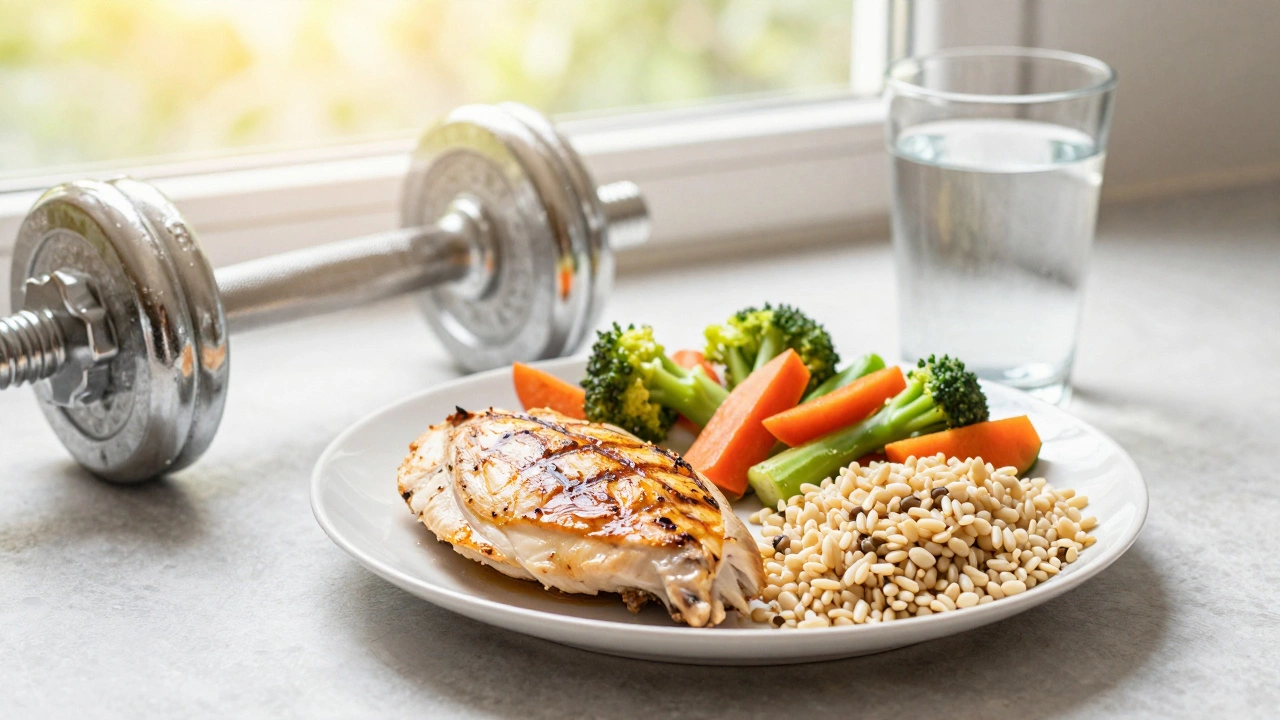
Instead of chasing a three-day miracle, focus on building a lifestyle that supports gradual fat loss. Here are evidence-based strategies that actually work:
- Prioritize Protein: Include a source of lean protein (chicken, fish, tofu, beans) in every meal. Protein has a high thermic effect, meaning your body burns more calories digesting it compared to fats or carbs. It also promotes satiety, keeping you fuller for longer.
- Strength Train: Incorporate resistance exercises three times a week. Building muscle increases your basal metabolic rate, helping you burn more calories even when you are sleeping.
- Manage Sleep: Poor sleep disrupts hunger hormones. Ghrelin (the hunger hormone) increases, while leptin (the fullness hormone) decreases. Aim for 7-9 hours of quality sleep per night.
- Hydrate Properly: Drink water before meals. Sometimes thirst is mistaken for hunger. Staying hydrated also supports metabolic processes and prevents water retention caused by dehydration.
- Track Progress Beyond the Scale: Use measurements, progress photos, and how your clothes fit. The scale fluctuates daily due to water weight, salt intake, and hormonal cycles. Trends over weeks are more meaningful than daily numbers.
What If You Have an Event Coming Up?
If you have a specific event in three days and want to look your best, focus on reducing bloating rather than losing fat. Cut back on sodium, avoid processed foods, and limit alcohol. These steps can help reduce water retention and make you appear leaner temporarily. However, be prepared for the weight to return once normal eating resumes. Do not mistake this temporary change for genuine progress.
Remember, your worth is not defined by the number on a scale. Health is a multifaceted concept that includes mental well-being, physical strength, and longevity. Chasing unrealistic goals can lead to disordered eating patterns and a negative relationship with food. Be kind to your body. It is the only vehicle you have for this life.
Is it possible to lose 10 pounds of fat in 3 days?
No, it is physiologically impossible to lose 10 pounds of pure body fat in 3 days. It would require a caloric deficit of 35,000 calories, which exceeds total daily energy expenditure for most humans by a wide margin. Any weight lost in this timeframe is primarily water weight and glycogen depletion.
Why does my weight fluctuate so much day-to-day?
Daily weight fluctuations are normal and are largely driven by changes in water retention, glycogen stores, and digestive contents. Factors like sodium intake, carbohydrate consumption, hormonal cycles, and hydration levels can cause the scale to vary by several pounds within a single day. Focus on weekly trends rather than daily numbers.
What is the safest rate of weight loss?
The generally accepted safe and sustainable rate of weight loss is 1 to 2 pounds per week. This pace minimizes muscle loss, preserves metabolic rate, and allows for gradual adaptation of skin and tissues. Faster loss often leads to nutrient deficiencies and rebound weight gain.
Does cardio burn more fat than weightlifting?
Cardio may burn more calories during the actual session, but weightlifting builds muscle mass, which increases your resting metabolic rate over time. For long-term fat loss and body composition improvements, a combination of both is ideal. Strength training ensures you retain lean muscle while losing fat.
Can I spot-reduce fat from my belly?
No, spot reduction is a myth. You cannot choose where your body loses fat from. Fat loss occurs systemically based on genetics and hormones. To lose belly fat, you must reduce overall body fat through a caloric deficit and consistent exercise. Core exercises will strengthen your abdominal muscles but will not specifically burn the fat covering them.
How does sleep affect weight loss?
Sleep plays a critical role in regulating hunger hormones. Lack of sleep increases ghrelin (which stimulates appetite) and decreases leptin (which signals fullness). Chronic sleep deprivation is linked to increased cravings for high-calorie, sugary foods and reduced willpower to resist them. Prioritizing 7-9 hours of sleep supports better dietary choices and metabolic health.