Sports Material Explorer
Click on a material below to discover how its chemical properties translate into real-world athletic performance.
Polyurethane
ElasticityPolycarbonate
Impact StrengthNeoprene
InsulationCarbon Fiber
Tensile StrengthPolyester
HydrophobicKevlar
Tear ResistanceRosin
TackinessSilicon
Low FrictionSelect a material above to analyze its chemical impact!
Discover the science behind the gear.
The Magic of Polymers and Plastics
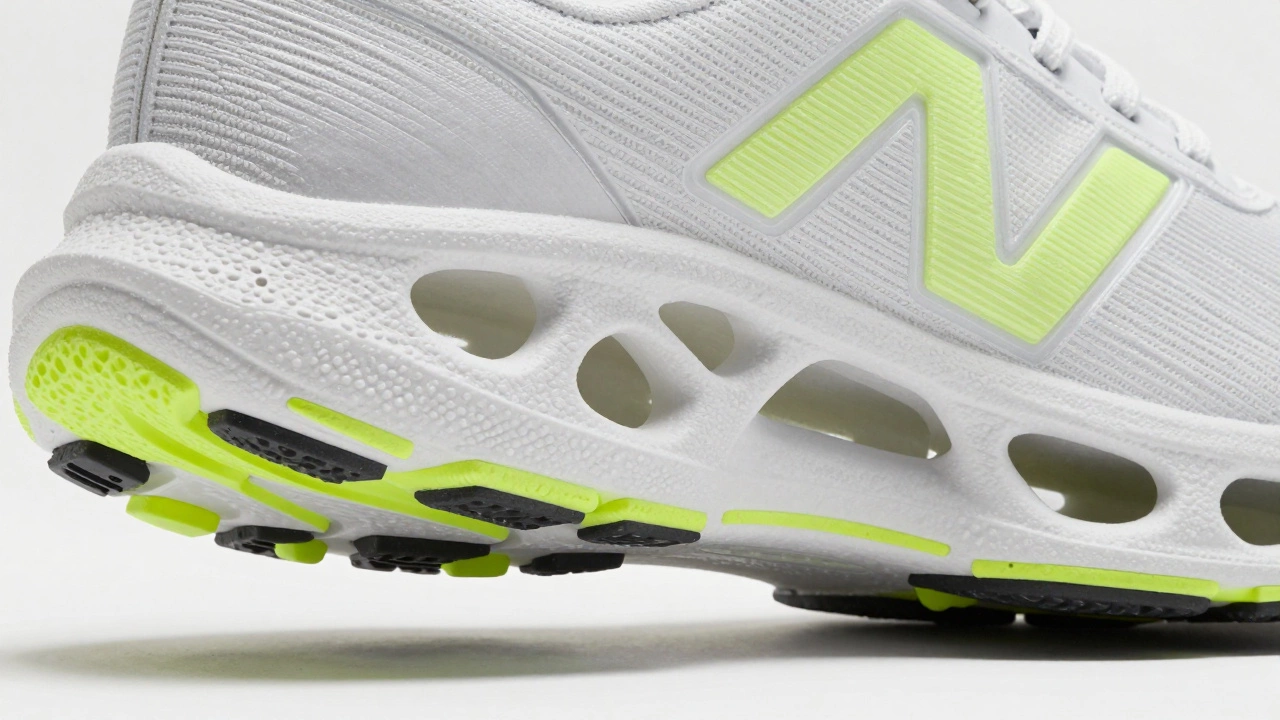
At the heart of almost every piece of gear is Polyurethane is a versatile polymer composed of organic synthesize units that combines the properties of both rubbers and plastics. You'll find this stuff everywhere. In high-end running shoes, it's the secret to that "bouncy" feeling. Brands like Adidas use expanded TPU (thermoplastic polyurethane) in their midsoles to return energy to the runner, reducing muscle fatigue. Unlike old-school EVA foam, which flattens out over time, polyurethane maintains its structure through millions of compression cycles.
Then there's the world of hard plastics. Polycarbonate is a strong, transparent thermoplastic often used in safety equipment due to its high impact resistance. If you play hockey or lacrosse, your visor or goggles are likely made from this. It's chosen because it doesn't shatter upon impact, which is a pretty critical requirement when a puck is flying at your face at 100 mph. The chemical structure allows it to absorb energy and bend slightly rather than cracking.
| Chemical/Polymer | Typical Equipment | Key Property | Real-World Benefit |
|---|---|---|---|
| Polyurethane | Shoe Midsoles, Helmets | Elasticity | Energy return and shock absorption |
| Polycarbonate | Visors, Goggles | Impact Strength | Prevents shattering on hit |
| Neoprene | Wetsuits, Braces | Thermal Insulation | Traps heat in cold water |
| Polyester | Jerseys, Swimwear | Hydrophobicity | Wicks sweat and dries fast |
| Kevlar | Protective Gear | Tensile Strength | Extreme tear resistance |
Carbon Fiber and the Epoxy Bond
When people talk about "carbon fiber," they aren't talking about a single chemical, but a composite. The actual strength comes from Carbon Fiber is a polymer consisting primarily of carbon atoms bonded together in crystals. However, these fibers are just threads on their own. To make a tennis racket or a cycling frame, these fibers must be bound together using Epoxy Resin is a thermosetting polymer used as a powerful adhesive and structural binder.
The chemical reaction that occurs when the resin and hardener are mixed creates a rigid, lightweight matrix. This is why a modern road bike can weigh less than 7kg while still being stiff enough to transfer every watt of a cyclist's power into the pedals. If the chemical ratio of the epoxy is slightly off, you get "dead spots" in the frame or, worse, structural failure that leads to a crash. The process of "curing" these chemicals often happens in an autoclave-a giant pressure oven-to ensure there are no air bubbles trapped in the material.

Staying Dry and Warm: Specialized Textiles
Have you ever wondered why some clothes repel water while others soak it up? That's down to surface chemistry. Most high-performance jerseys use Polyester is a synthetic resin made from ethylene glycol and terephthalic acid. Unlike cotton, which loves water (hydrophilic), polyester is hydrophobic. This means it pushes moisture away from the skin to the surface of the fabric where it can evaporate quickly. This prevents the "heavy gear" feeling during a marathon or a long rugby match.
For those hitting the water, Neoprene is a synthetic rubber made from polychloroprene. It's essentially a closed-cell foam. The chemical structure creates tiny bubbles of nitrogen gas trapped within the rubber. These bubbles act as a thermal barrier, slowing down the rate at which your body heat escapes into the ocean. Without this specific chemical makeup, surfing in the North Sea would be impossible for anyone without a death wish.
The Hidden Chemicals in Maintenance and Grip
It's not just the gear itself that uses chemicals, but how we keep it working. Take grip tapes for tennis rackets or baseball bats. These often contain tackifiers-resins like Rosin is a natural resin obtained from pines and other conifers. This increases the friction between the hand and the handle, preventing the equipment from slipping during a high-velocity swing.
Then there are the lubricants. In cycling, we use silicon-based lubricants to reduce friction in the chain. Polydimethylsiloxane (PDMS) is an organosilicon polymer used as a lubricant and water-repellent. Unlike oil, which can attract grit and grime, silicon creates a slippery, hydrophobic layer that protects the metal from oxidation (rust) while keeping the drivetrain smooth.

The Environmental Cost and the Shift to Bio-Plastics
The downside to all these amazing chemicals is that they don't exactly disappear. Most of the polymers mentioned-like polycarbonate and polyester-are petroleum-based. This means they can take hundreds of years to break down in a landfill. This is why the industry is currently pivoting toward bio-polymers. Some brands are now experimenting with plastics derived from cornstarch or algae instead of oil.
For example, we're seeing the rise of bio-based polyamides (nylons) in football cleats. These materials aim to provide the same tensile strength as traditional plastics but with a lower carbon footprint. The challenge is making sure these "green" chemicals don't fail during a game; a cleat that biodegrades while you're sprinting for a touchdown is a failure in engineering.
Are the chemicals in sports equipment dangerous to the skin?
For the vast majority of people, no. Materials like neoprene and polyurethane are inert, meaning they don't react with your skin. However, some people have specific allergies to neoprene (a latex-like reaction) or sensitivities to the dyes used in polyester fabrics. If you get a rash where your gear touches your skin, it's usually a contact dermatitis reaction to a specific additive or dye.
Why does carbon fiber equipment feel different from aluminum?
It's all about the vibration damping. Aluminum is a metal with a crystalline structure that transmits vibrations quickly. Carbon fiber composites, because they use a polymer (epoxy) to bind the fibers, naturally absorb more high-frequency vibration. This is why carbon frames feel "smoother" on the road-the chemical matrix acts as a tiny shock absorber.
What is the "new shoe smell" actually made of?
That scent comes from Volatile Organic Compounds (VOCs). These are chemicals like glues, solvents, and plasticizers used to bond the sole to the upper. While usually harmless in small amounts, the smell is a sign of the chemicals off-gassing as they settle into their final state after leaving the factory.
Can you replace synthetic chemicals in gear with natural ones?
In some cases, yes. Cotton can replace polyester, but you lose the moisture-wicking properties. Leather can replace synthetic plastics in gloves, but it's heavier and less durable in wet conditions. For high-impact gear like helmets, there is currently no natural material that matches the safety and weight ratio of polycarbonate.
How do waterproof coatings actually work?
Many use DWR (Durable Water Repellent) coatings. Historically, these were PFAS (per- and polyfluoroalkyl substances), which are incredibly effective but permanent environmental pollutants. The industry is now moving toward fluorine-free alternatives that use different chemical chains to create the same water-beading effect without the toxic buildup.
What to do if your gear is degrading
If you notice your running shoes are losing their "bounce" or your wetsuit is starting to crack, the polymers are likely breaking down. This is often caused by UV radiation from the sun, which breaks the chemical bonds in plastics (a process called photodegradation). To slow this down, keep your gear out of direct sunlight when not in use and avoid using harsh detergents that can strip the chemical coatings from your fabrics. For carbon fiber gear, always check for small hairline cracks; since the epoxy is brittle, a small crack can quickly lead to a total structural failure.