Running Shoe Impact Calculator & Recommendation Tool
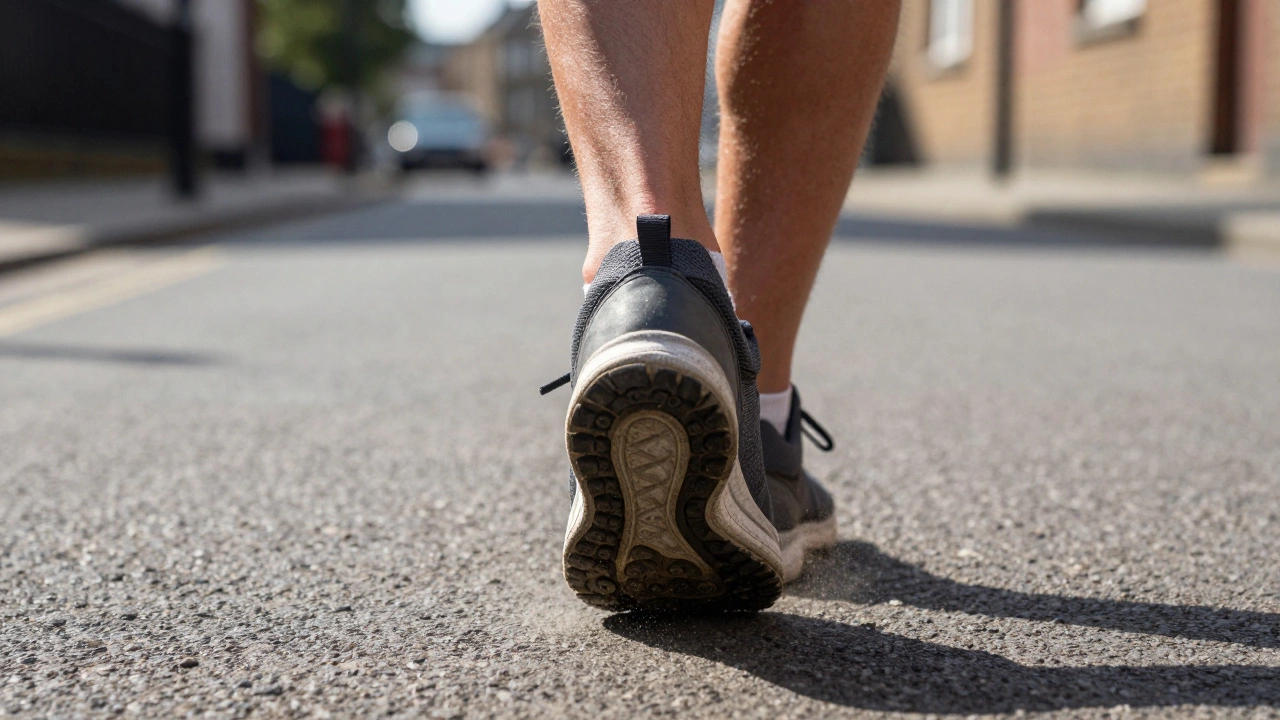
When you run, your feet absorb forces equal to 2-3 times your body weight with every single step.
That means if you weigh 70 kg, each foot strike generates approximately 140-210 kg of force traveling up through your ankles, knees, and hips.
Best for runners with normal arches who don't overpronate. Flexible midsole with balanced cushioning.
Designed for overpronators. Features denser foam on the inner side to prevent excessive inward rolling.
Ideal for long-distance runners or those with joint sensitivity. Thick stack of soft foam for maximum protection.
Your Running Analysis Results
Steps Taken
0 steps
Based on average stride lengthShoe Lifespan Estimate
0 km remaining
Before replacement recommendedRecommended Shoe Type
Based on your profile...
Comfort & Protection ScoreKey Recommendations
You lace up a pair of cheap sneakers you bought on sale, hit the pavement, and within three weeks your shins are screaming in pain. Sound familiar? It’s not just bad luck. For new runners, footwear is often the single biggest variable between a sustainable habit and an early exit from the sport. The short answer to whether running shoes matter is a resounding yes-but not for the reasons most marketing campaigns suggest.
Many beginners believe they need expensive, high-tech gear with carbon plates and complex cushioning systems. This is a myth. What actually matters is finding a shoe that matches your foot shape, supports your natural movement pattern, and protects your joints from the repetitive impact of pounding the ground. Getting this right doesn't require a PhD in biomechanics, but it does require understanding what your body needs versus what stores want to sell you.
The Physics of Impact: Why Feet Need Protection
When you run, your feet absorb forces equal to two to three times your body weight with every step. If you weigh 70 kilograms (154 lbs), that’s roughly 140-210 kilograms of force traveling up through your ankles, knees, and hips thousands of times during a single 5-kilometer run. Your bones, muscles, and connective tissues can handle this load, but only if the energy is distributed correctly.
Running shoes are specialized athletic footwear designed to cushion impact, provide stability, and reduce fatigue during running activities. Unlike casual sneakers, which prioritize style or light walking comfort, running shoes are engineered with specific materials to manage shock absorption. The midsole, typically made of EVA foam or newer superfoams like PEBA, acts as a spring. It compresses under your weight and rebounds, returning some energy to help propel you forward while protecting your skeletal structure from direct trauma.
Without this dedicated cushioning, beginners-who often have weaker calf muscles and less conditioned tendons than experienced athletes-are at significantly higher risk for stress fractures and plantar fasciitis. Think of the shoe not as a performance enhancer, but as essential safety equipment, similar to wearing a helmet when cycling.
Decoding Shoe Types: Neutral, Stability, and Cushioning
Walking into a running store can feel overwhelming. Aisles are lined with boxes labeled "Neutral," "Stability," and "Max Cushion." These categories exist to address different biomechanical needs. Understanding them helps you avoid buying a shoe that fights against your natural motion.
| Shoe Type | Best For | Key Feature | Common Pitfall |
|---|---|---|---|
| Neutral | Runners with normal arches who do not overpronate excessively | Flexible midsole, balanced cushioning | Buying too much cushioning for slow jogging speeds |
| Stability | Runners who overpronate (feet roll inward excessively) | Denser foam on the inner side or medial post | Choosing rigid stability shoes that restrict natural motion |
| Max Cushion | Long-distance runners or those with joint sensitivity | Thick stack height of soft foam | Reduced ground feel leading to awkward footing |
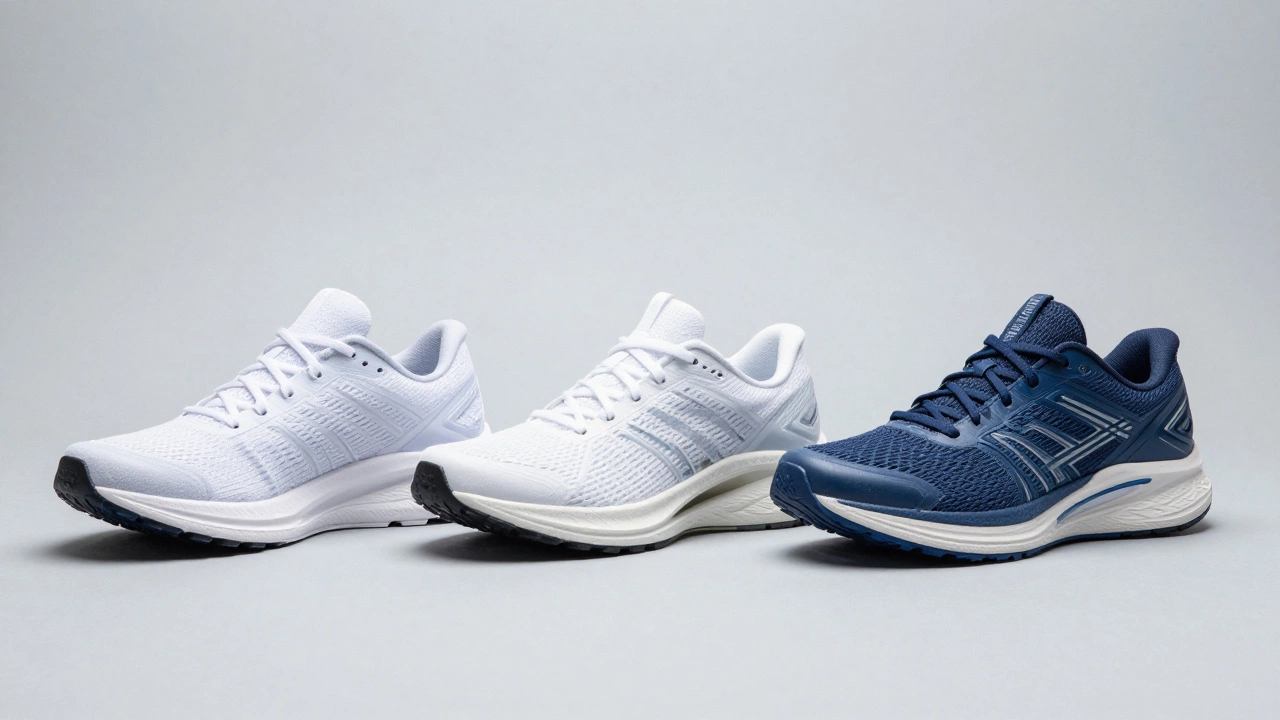
Neutral shoes are the safest bet for most beginners. They offer cushioning without adding artificial structures to correct your gait. Unless a professional gait analysis reveals severe overpronation, starting with a neutral shoe allows your foot muscles to strengthen naturally. Stability shoes include firmer material on the inside of the sole to prevent the foot from rolling inward too far. While helpful for some, modern research suggests that mild overpronation is normal and often doesn’t cause injury. Therefore, unless you have a history of shin splints or knee pain linked to pronation, you likely don’t need aggressive stability features.
The Fit Test: Beyond Just Size
A common mistake beginners make is buying running shoes based on their everyday sneaker size. This is dangerous. When you run, your feet swell due to increased blood flow and heat. A shoe that fits perfectly while standing in the store will become painfully tight after five kilometers.
Here is the golden rule of fitting: You should always buy running shoes half a size to a full size larger than your regular street shoes. Specifically, there must be about a thumb’s width (roughly one centimeter) of space between your longest toe and the end of the shoe. This "toe box" space prevents black toenails and blisters caused by repetitive friction.
Also, pay attention to the heel. The back of the shoe should hold your heel firmly in place without slipping. If your heel lifts when you walk, the shoe is too wide or the lacing system is inadequate. Slipping heels create shear forces that lead to blisters and Achilles tendon irritation. Try on shoes in the late afternoon when your feet are naturally more swollen, and wear the same socks you plan to use for running.
Gait Analysis: Is It Worth the Hype?
Most major running retailers offer free gait analysis. This process involves watching you run on a treadmill or barefoot on a mat to determine how your foot strikes the ground. Critics argue that video analysis in a static environment doesn't accurately predict injury risk. However, for a beginner, it provides valuable baseline data.
A good gait analysis isn't about labeling you as an "overpronator" to sell you a specific brand. It’s about observing your flexibility, ankle mobility, and foot strike pattern. If you have flat feet and flexible arches, the analyst might recommend a slightly wider shoe or one with moderate support. If you have high arches, they might steer you toward softer, more flexible neutral shoes because high arches are naturally rigid and need more cushioning to compensate for lack of natural shock absorption.
Treat the analysis as a consultation, not a prescription. Use the insights to narrow down options, but ultimately trust how the shoe feels during a test run outside the store.
Budget vs. Performance: How Much Should You Spend?
There is a pervasive belief that you need to spend $200+ on running shoes to avoid injury. This is largely false for beginners. High-end shoes often feature lightweight carbon fiber plates and exotic foams designed to shave seconds off marathon times. These technologies add little value to someone jogging at a conversational pace for fitness.
Aim for the mid-range price point, typically between $100 and $150 AUD. In this range, you get quality cushioning, durable outsoles, and proper breathability without paying for marginal performance gains. Brands like Brooks, ASICS, Saucony, and New Balance offer excellent entry-level models that last 600-800 kilometers. Spending less than $80 often means compromising on midsole durability; the foam breaks down quickly, losing its protective qualities within a few months. Spending more than $180 usually buys you fashion trends or elite racing tech that you won't utilize yet.
When to Replace Your Shoes
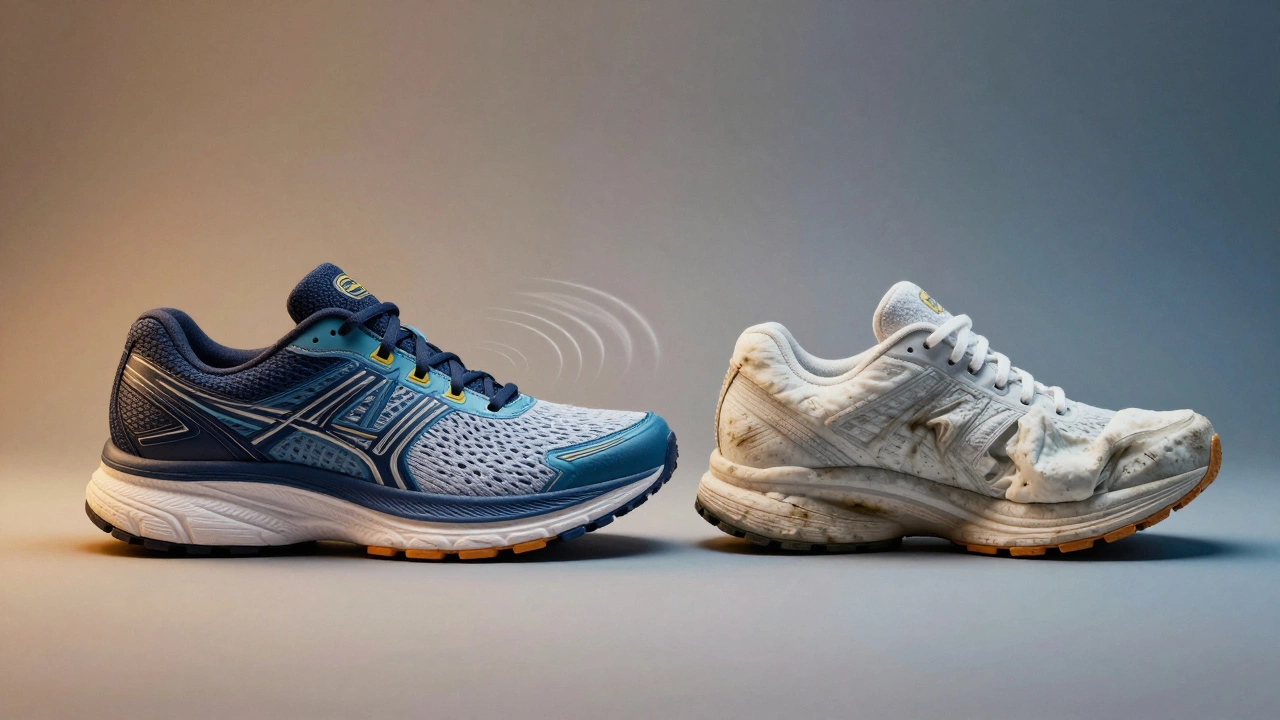
Even the best running shoes lose their effectiveness over time. The foam in the midsole compresses permanently, reducing shock absorption. The outsole rubber wears down, exposing the harder layers beneath. Most manufacturers recommend replacing shoes every 500 to 800 kilometers.
For a beginner running three times a week for 5 kilometers each, this translates to roughly six to nine months. Don't wait until the soles fall apart. Pay attention to your body. If you start experiencing unexplained aches in your shins, knees, or hips, check your shoes. Often, the culprit is worn-out cushioning rather than a sudden increase in mileage.
Can I run in cross-trainers or gym shoes?
It is not recommended. Cross-trainers are designed for lateral movements like weightlifting or aerobics, making them heavier and stiffer in the forefoot. Running requires forward motion and flexibility in the toe area. Using cross-trainers for running increases the risk of ankle sprains and reduces efficiency due to the extra weight and restricted movement.
Should I buy shoes for my foot type (flat vs. arched)?
Yes, foot shape influences fit. People with flat feet often have wider forefeet and may need a shoe with a wider toe box. Those with high arches usually need more cushioning because their feet are naturally rigid and absorb less shock. However, focus on how the shoe feels rather than strictly following arch labels, as individual comfort varies greatly.
Is drop height important for beginners?
Drop refers to the height difference between the heel and the forefoot. Most beginner-friendly shoes have a drop of 8-10mm, which takes pressure off the Achilles tendon and calves. Zero-drop or low-drop shoes require stronger ankles and calves. As a beginner, stick to standard drops to minimize injury risk while your muscles adapt to running loads.
How long should I keep my first pair of running shoes?
You should replace them after 600-800 kilometers of running, regardless of how they look externally. The internal foam degrades over time, losing its ability to cushion impacts. If you run less frequently, monitor for signs of wear such as visible creasing in the midsole or discomfort in your joints during runs.
Do I need different shoes for trail running?
If you plan to run on uneven terrain, dirt paths, or rocky surfaces, yes. Trail running shoes have deeper lugs for traction and reinforced toe caps to protect against rocks. Road running shoes lack these features and can be slippery or easily damaged on trails. Start with road shoes if you are running on pavements or treadmills.