Sports Safety Gear Advisor
Select your sport and experience level to see recommended protective gear and safety tips.
Primary Injury Risks:
Ensure your gear meets these standards for verified protection:
You step onto the field, heart pounding, ready to play. But one bad fall or a stray ball can turn that excitement into a trip to the emergency room. Sports safety devices are not just optional accessories; they are critical barriers between you and serious injury. From the helmet on a football player's head to the shin guards protecting a soccer player's legs, these tools save lives and keep athletes in the game.
Why do we still see so many preventable injuries? Often, it is because athletes underestimate the risk or choose comfort over protection. This guide breaks down the essential safety devices across major sports, explains how they work, and helps you pick the right gear for your specific needs. Whether you are a weekend warrior or a competitive athlete, understanding your protective equipment is the first step toward playing longer and smarter.
The Core Principle of Impact Absorption
Most protective gear works on a simple physics principle: spreading out the force of an impact over time and area. When you hit the ground, a hard surface transfers energy directly into your bones and organs. A safety device uses materials like foam, plastic, or air pockets to slow down that transfer.
Think about a bicycle helmet. It isn't designed to stop the bike from hitting the pavement. It is designed to crush. That crushing action absorbs kinetic energy, reducing the amount of force that reaches your skull. Without this layer, the sudden deceleration causes the brain to slam against the inside of the skull, leading to concussions or worse.
- Energy Dissipation: Materials deform to absorb shock.
- Force Distribution: Hard shells spread impact over a wider area.
- Friction Reduction: Smooth surfaces allow sliding rather than sticking, which prevents joint twists.
This mechanism applies whether you are wearing a mouthguard or a chest protector. The goal is always the same: manage the energy before it damages your body.
Head and Neck Protection: Beyond the Helmet
Your brain is soft tissue floating in fluid, protected by bone. It cannot regenerate quickly if damaged. That makes headgear the most critical category of athletic equipment.
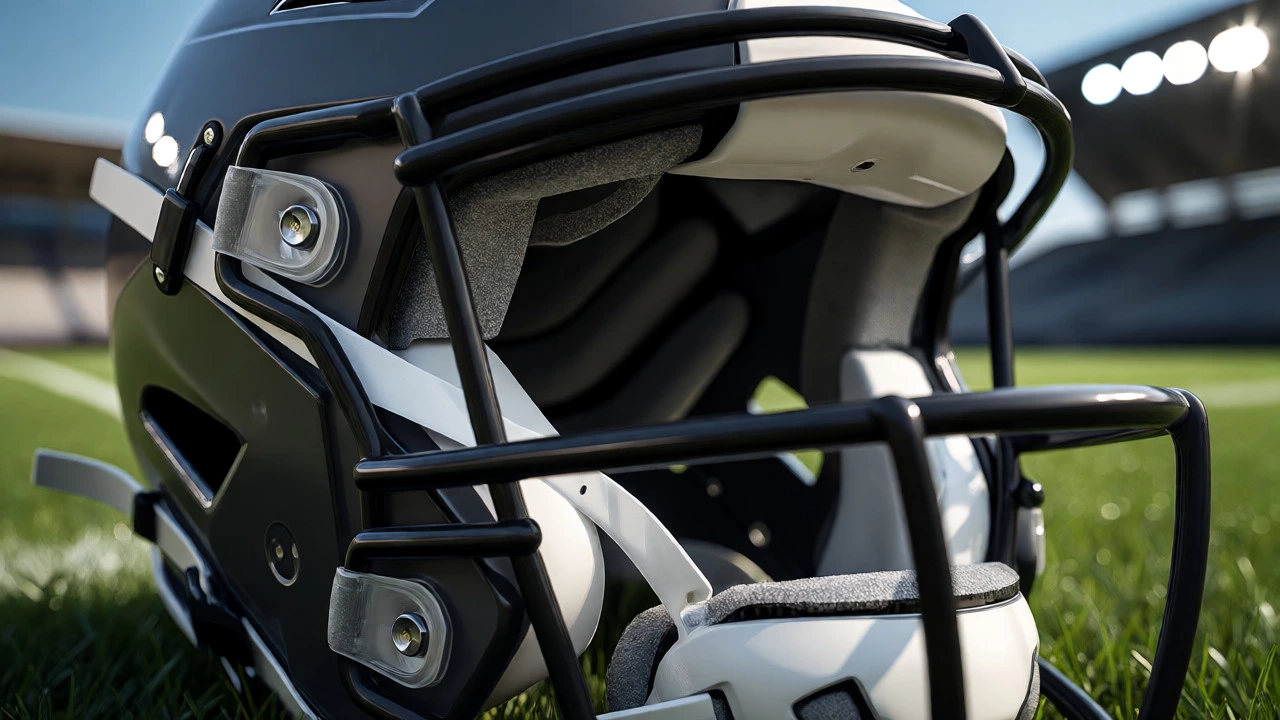
Helmets come in many forms, tailored to the specific risks of each sport. In American football, helmets feature a hard outer shell made of polycarbonate and inner padding made of expanded polyurethane foam. Modern designs even include sensors that detect rotational forces, which are often more dangerous than linear hits for causing concussions.
Cycling helmets look different but serve a similar purpose. They prioritize ventilation and lightweight construction because crashes often involve scraping at high speeds. A key difference is certification. Look for CPSC (Consumer Product Safety Commission) standards for bikes, or NOCSAE (National Operating Committee on Standards for Athletic Equipment) for contact sports. If your helmet doesn't meet these standards, it might just be fashion, not protection.
Don't forget the neck. Cervical spine injuries are rare but devastating. Neck braces used in motocross and downhill mountain biking limit hyperextension and hyperflexion. They act as a physical stopper, preventing the head from snapping back too far during a crash. While they don't prevent all spinal injuries, they significantly reduce the severity of common whiplash-type trauma.
Oral and Facial Defense Systems
Mouthguards are arguably the most undervalued piece of safety gear. Many athletes skip them because they feel bulky or affect breathing. However, dental injuries account for nearly 5 million teeth lost annually in the United States alone, according to the National Youth Sports Foundation. Most of these happen in contact sports.
A good mouthguard does more than save your front teeth. It cushions the jaw, reducing the risk of jaw fractures and potentially lowering the chance of concussions by absorbing shock through the temporomandibular joint. There are three main types:
- Stock Mouthguards: Cheap, pre-formed, and offer poor fit. They restrict breathing and provide minimal protection.
- Boil-and-Bite: Softened in hot water and molded to your teeth. Better fit, better protection, widely available.
- Custom-Made: Created by a dentist using impressions of your teeth. Best fit, best protection, most expensive.
If you play rugby, hockey, lacrosse, or boxing, custom-made guards are worth the investment. They stay in place during intense activity, meaning you aren't constantly biting down to keep them secure.
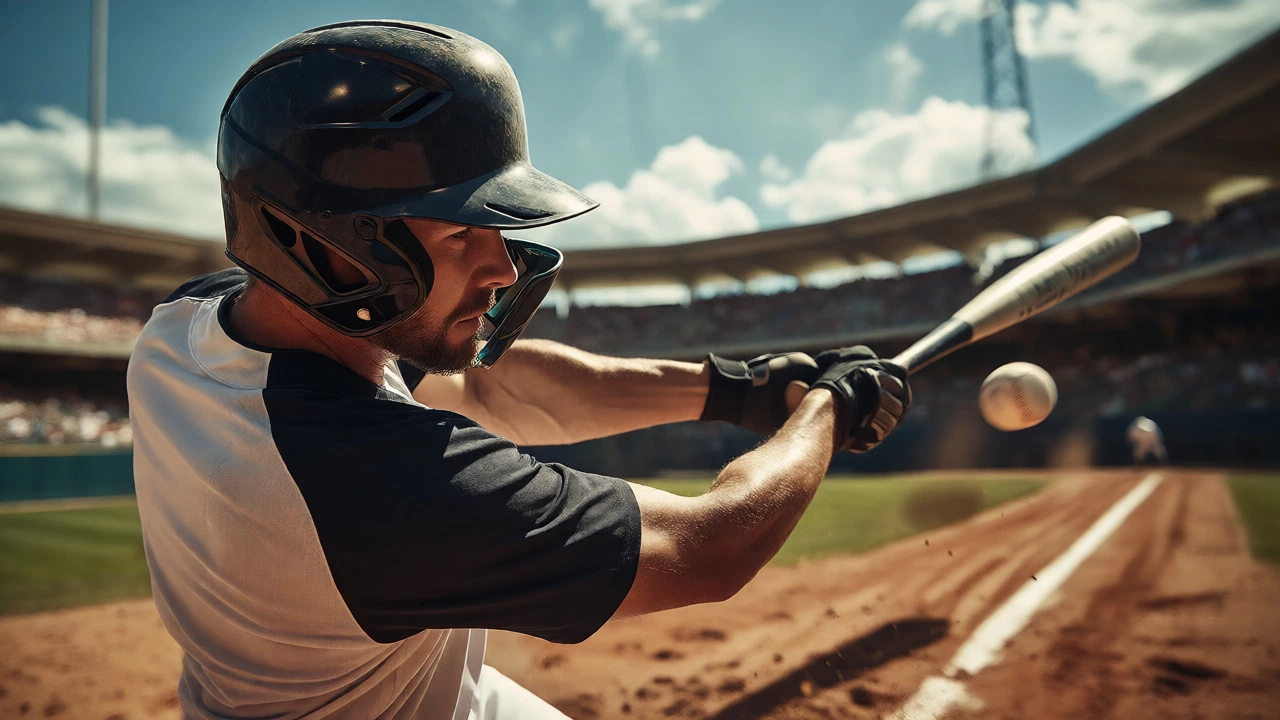
For sports involving flying objects-like baseball, cricket, or softball-face masks and cages are essential. These rigid structures protect the eyes, nose, and cheeks from high-velocity impacts. Catchers in baseball wear full face masks with throat guards, while batters rely on helmets with integrated face cages to shield against line drives traveling over 90 mph.
Torso and Limb Protection Strategies
Your torso houses vital organs: heart, lungs, liver, spleen, and kidneys. A direct hit here can cause internal bleeding or organ rupture. Chest protectors in sports like baseball, lacrosse, and martial arts use layered foam and hard plastic plates to distribute impact.
In women's sports, such as field hockey and basketball, breast protection has historically been overlooked. Modern sports bras with removable pads offer necessary cushioning without restricting movement. Ignoring this can lead to painful contusions that sideline players for weeks.
Limbs require different strategies. Knees, elbows, and ankles are prone to abrasions and fractures. Shin guards are mandatory in soccer and field hockey. They consist of a hard plastic front to deflect kicks and a foam backing to absorb shock. The size matters. A guard that is too small leaves gaps; one that is too large restricts ankle mobility.
Wrist guards are popular in skateboarding, inline skating, and snowboarding. They include a rigid splint on the palm side to prevent wrist fractures when falling forward-a very common reflex. However, they can sometimes transfer force to the elbow or shoulder, so proper falling technique remains crucial.
| Sport | Primary Risk | Key Device | Material Standard |
|---|---|---|---|
| Football | High-impact collisions | Helmet & Shoulder Pads | NOCSAE |
| Cycling | Falls & Scrapes | Ventilated Helmet | CPSC / Snell |
| Baseball | Ball Strikes | Batting Helmet & Face Guard | NOCSEAE |
| Soccer | Kicks & Cleats | Shin Guards | EN 1402 |
| Martial Arts | Punches & Kicks | Gloves & Shin Guards | ISO 13688 |
Emerging Tech: Smart Safety Gear
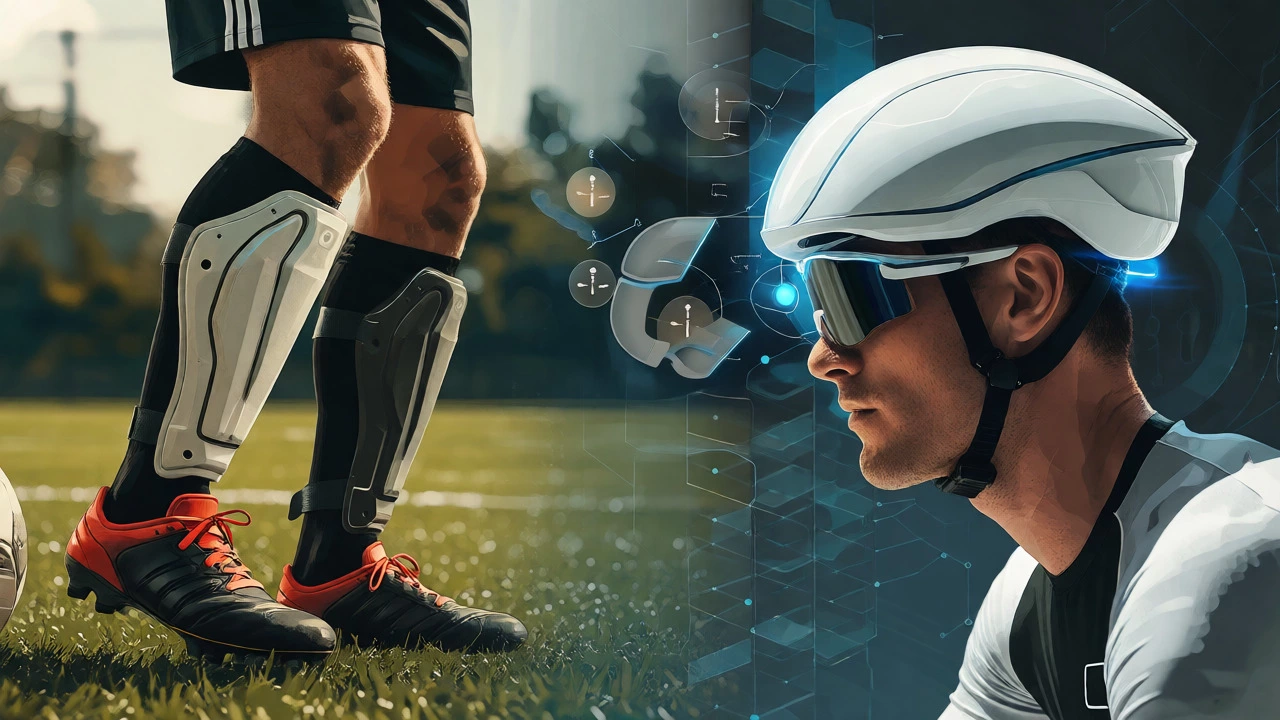
Technology is changing how we view safety. Traditional gear protects physically, but smart gear provides data. Smart helmets now contain accelerometers and gyroscopes that measure the g-force of impacts. Coaches receive real-time alerts if a player sustains a hit exceeding safe thresholds, allowing for immediate removal from play.
This shift moves us from reactive care (treating a concussion after symptoms appear) to proactive management. Some companies have developed mouthguards with embedded sensors that track hydration levels and impact history. While expensive, this tech is becoming standard in professional leagues and is trickling down to youth sports.
Another innovation is impact-resistant clothing. Compression shirts with built-in padding in the shoulders, ribs, and thighs offer low-profile protection for sports like volleyball and basketball. Unlike bulky armor, these garments move with the athlete, reducing the psychological barrier to wearing protection.
Choosing the Right Fit and Maintenance
Even the best-rated safety equipment fails if it fits poorly. A loose helmet shifts during impact, leaving vulnerable spots exposed. A tight chin strap cuts off circulation. Always try gear on before buying, and simulate movement-jump, run, turn your head.
Maintenance is equally important. Foam compresses over time, losing its ability to absorb shock. Manufacturers typically recommend replacing helmets every five years, regardless of visible damage. Check for cracks in plastic shells, frayed straps, or hardened foam. If a helmet takes a major hit, replace it immediately, even if it looks fine. Internal structural integrity is often compromised invisibly.
Hygiene also plays a role. Sweat breeds bacteria in mouthguards and pads. Wash reusable gear regularly to prevent skin infections and odors. For shared equipment, like rental ski helmets, ensure proper sanitization protocols are followed.
Final Thoughts on Playing Safe
Sports safety devices are your insurance policy against the unpredictable nature of athletics. They won't make you invincible, but they drastically reduce the severity of injuries. Don't let ego or discomfort dictate your choices. Invest in quality gear that meets recognized safety standards, ensure it fits correctly, and replace it when worn out.
Remember, the goal is longevity. Playing next season requires staying healthy this season. Prioritize protection, and you'll spend less time on the sidelines and more time doing what you love.
Do all sports require helmets?
No, not all sports mandate helmets. High-risk contact sports like American football, ice hockey, and cycling strongly recommend or require them. Low-impact sports like swimming or yoga typically do not. However, any activity with a risk of falling or collision benefits from head protection.
How often should I replace my sports gear?
Helmets should generally be replaced every five years due to material degradation, or immediately after a significant impact. Mouthguards last one to two seasons depending on usage and care. Shoes need replacement based on mileage, usually every 300-500 miles for running. Always check manufacturer guidelines.
Are expensive safety devices better than cheap ones?
Not necessarily. Price often reflects brand marketing or advanced features like sensors. What matters most is certification (e.g., NOCSAE, CPSC) and proper fit. A well-fitting, certified budget helmet offers excellent protection compared to an ill-fitting premium model.
Can safety gear prevent concussions completely?
No current technology can completely prevent concussions. Helmets reduce the risk of skull fractures and severe traumatic brain injuries, but concussions result from the brain moving inside the skull. Proper technique and rule enforcement remain crucial alongside equipment.
What certifications should I look for?
Look for NOCSAE for football and lacrosse helmets, CPSC for bicycles, ASTM for skis and snowboards, and ISO standards for international products. These certifications ensure the gear has passed rigorous impact testing.