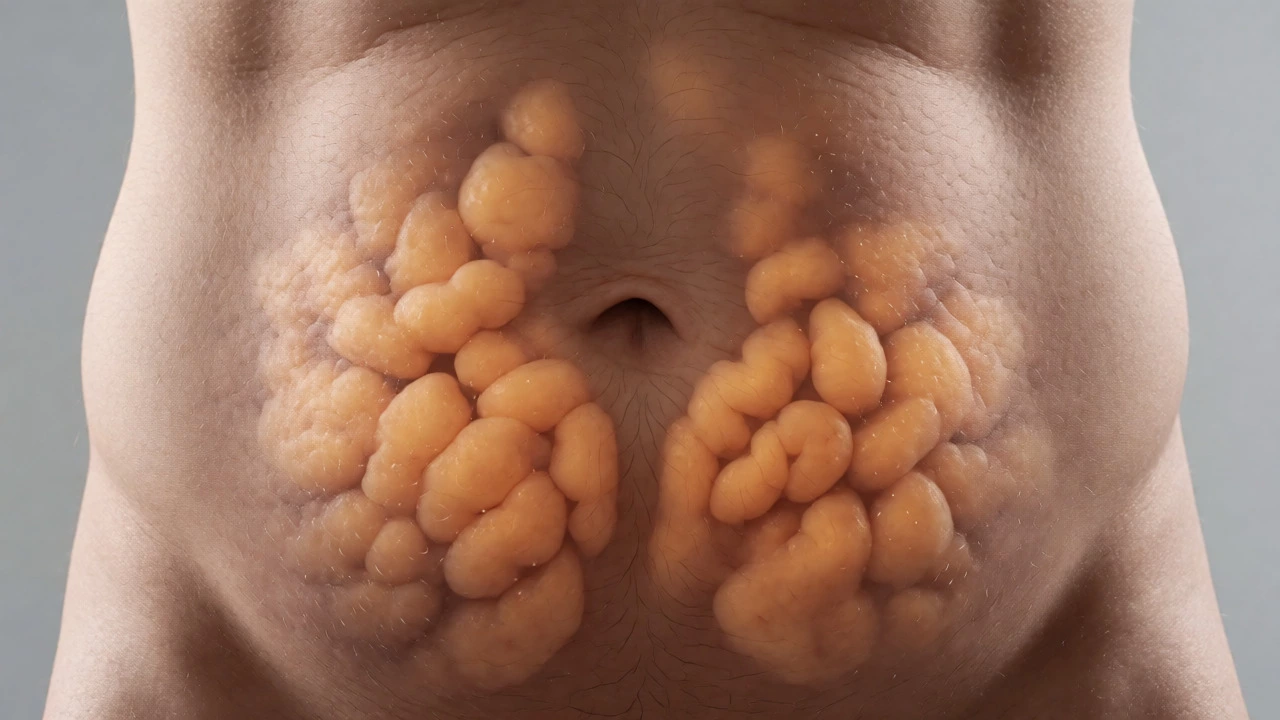
Belly Fat Burner Estimator
Select your activity and inputs to estimate calories burned and understand why some methods work better for belly fat than others.
Why This Matters for Belly Fat
HIIT triggers EPOC (afterburn), keeping metabolism elevated for hours. Strength Training builds muscle, increasing resting metabolic rate. Steady Cardio burns calories during the session but stops quickly after. Ab Exercises strengthen muscles but have negligible caloric impact for fat loss. Remember: You cannot spot-reduce; you must create a total body energy deficit.
You’ve done a thousand crunches. You’ve run until your lungs burned. Yet that stubborn layer over your midsection hasn’t budged. Here’s the hard truth: you cannot spot-reduce fat. Doing sit-ups builds muscle underneath, but it doesn’t melt the fat on top. To actually burn belly fat, you need to change how your body handles energy and hormones.
Belly fat isn’t just cosmetic. It comes in two forms: subcutaneous (the pinchable stuff) and visceral (the dangerous kind wrapping around your organs). Visceral fat is metabolically active; it pumps out inflammatory markers that mess with insulin sensitivity. This makes losing it tricky because your body actively resists letting go of this fuel reserve during stress or calorie deficits. So, what actually works? Is it high-intensity intervals? Heavy lifting? Or is it purely about what’s on your plate?
The Myth of Spot Reduction
Let’s kill this myth right now. Your body doesn’t burn fat from the area you are exercising. When you do leg extensions, you aren’t burning thigh fat specifically. You’re creating an energy deficit overall, and your body decides where to pull that energy from based on genetics and hormonal status. For most people, the belly is the last place fat leaves and the first place it returns. Why? Evolution. Our ancestors stored energy centrally for quick access during fight-or-flight scenarios. In modern Melbourne, we don’t fight tigers, but our bodies still prioritize keeping that central reserve safe.
This means endless ab circuits won’t fix your waistline. They will make your core stronger, which is great for posture and athletic performance, but they have a negligible impact on total caloric expenditure compared to compound movements. If you spend 45 minutes doing planks and leg raises, you might burn 150-200 calories. Spend that same time lifting heavy weights or sprinting, and you could double or triple that number, plus gain a metabolic boost that lasts for hours after the workout.
Hormones Are the Real Gatekeepers
If exercise alone isn’t working, look at your hormones. Insulin and cortisol are the primary drivers of abdominal fat storage. High insulin levels lock fat cells shut, preventing lipolysis (fat breakdown). Chronic stress keeps cortisol elevated, which specifically encourages fat deposition in the abdominal region. This is why some people can eat whatever they want and stay lean, while others gain belly fat despite strict dieting-they likely have higher baseline cortisol or insulin resistance.
To tackle this, you need strategies that lower insulin spikes and manage stress. Sleep plays a massive role here. A study published in the Annals of Internal Medicine found that dieters who slept five and a half hours lost less fat than those who slept eight and a half, even with identical calorie intake. Lack of sleep increases ghrelin (the hunger hormone) and decreases leptin (the satiety hormone), leading to overeating and poor food choices. Prioritizing seven to nine hours of quality sleep isn’t just rest; it’s a fat-loss tool.
Dietary Changes That Actually Move the Needle
You can’t out-train a bad diet. Period. If you’re eating processed foods, sugary drinks, and refined carbs, your insulin remains chronically elevated, blocking fat loss. The most effective dietary shift for belly fat is reducing added sugars and refined carbohydrates. This doesn’t mean going keto if you hate keto, but it does mean swapping white bread for whole grains, soda for water, and candy for fruit.
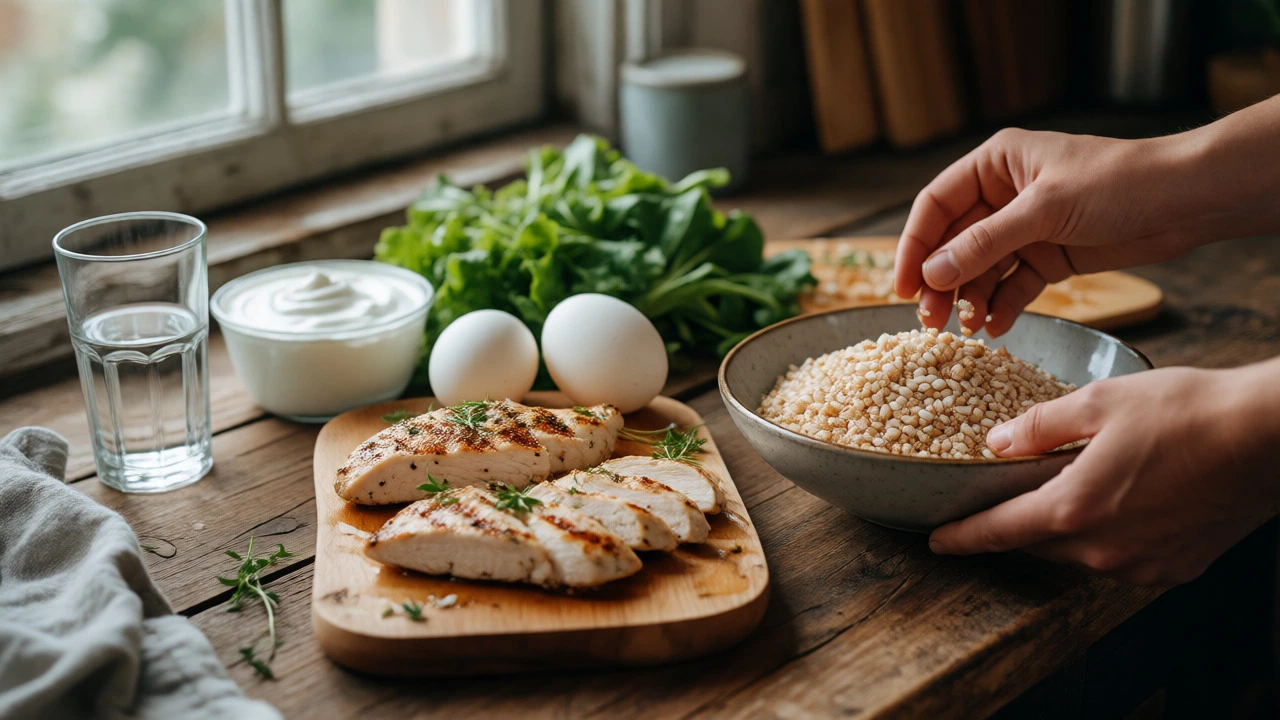
Protein is your best friend here. It has a high thermic effect, meaning your body burns more calories digesting protein than fats or carbs. Aim for 1.6 to 2.2 grams of protein per kilogram of body weight daily. This preserves muscle mass during a calorie deficit, ensuring you lose fat, not muscle. Muscle tissue is metabolically expensive; keeping it intact keeps your resting metabolic rate high. Include sources like chicken breast, fish, eggs, Greek yogurt, and legumes in every meal.
| Macronutrient | Thermic Effect (%) | Insulin Response | Satiety Level |
|---|---|---|---|
| Protein | 20-30% | Moderate | High |
| Carbohydrates | 5-10% | High (if refined) | Low-Medium |
| Fats | 0-3% | Low | Medium-High |

HIIT vs. Steady-State Cardio: Which Wins?
For years, cardio was king. But research increasingly points to High-Intensity Interval Training (HIIT) as superior for visceral fat reduction. HIIT involves short bursts of intense effort followed by brief recovery periods. Examples include sprinting for 30 seconds and walking for 60 seconds, repeated for 15-20 minutes.
Why is HIIT better? It triggers Excess Post-exercise Oxygen Consumption (EPOC), often called the "afterburn effect." Your body continues to burn calories at an elevated rate for up to 24 hours post-workout to restore homeostasis. Steady-state cardio, like jogging at a moderate pace, stops burning extra calories almost immediately after you stop moving. However, HIIT is taxing on the nervous system. Doing it too frequently can spike cortisol, potentially hindering progress. Two to three sessions per week is usually the sweet spot.
Steady-state cardio still has its place. It’s excellent for building aerobic base, improving heart health, and managing stress without excessive systemic fatigue. If you’re new to exercise or recovering from injury, start with brisk walking or cycling before jumping into HIIT. Listen to your body. If you feel wired but tired, swap a HIIT session for a long walk.
Strength Training Builds the Engine
While cardio burns calories during the activity, strength training builds the machinery that burns calories all day long. Muscle tissue is metabolically active. The more muscle you have, the higher your basal metabolic rate (BMR). This means you burn more calories at rest, simply existing.
Focus on compound lifts that recruit multiple muscle groups: squats, deadlifts, bench presses, overhead presses, and rows. These exercises require significant energy to perform and stimulate a greater hormonal response (testosterone and growth hormone) than isolation exercises like bicep curls. Aim for progressive overload-gradually increasing the weight or reps over time. Even if you don’t see immediate visual changes in your abs, building muscle underneath tightens the entire physique and improves body composition.
Putting It All Together: A Practical Plan
So, what burns the most belly fat? It’s a combination of factors, not a single magic bullet. Here is a realistic weekly structure that balances effectiveness with sustainability:
- Monday: Full-body strength training (focus on compound lifts).
- Tuesday: 20-minute HIIT session (e.g., bike sprints or rowing intervals).
- Wednesday: Active recovery (long walk, yoga, or light swimming).
- Thursday: Upper body strength training + core stability work.
- Friday: Lower body strength training + optional steady-state cardio.
- Saturday: Fun activity (hiking, sports, dance) - keep it enjoyable.
- Sunday: Rest and meal prep.
Nutritionally, aim for a slight calorie deficit (300-500 calories below maintenance). Track your intake for a few weeks to understand portion sizes. Prioritize whole foods, minimize alcohol (which halts fat burning and adds empty calories), and stay hydrated. Often, thirst masquerades as hunger.
Pitfalls to Avoid
Don’t fall for detox teas or fat-burning supplements. Most are marketing hype with little scientific backing. Caffeine can slightly boost metabolism, but tolerance builds quickly. Green tea extract has modest effects, but it’s not a game-changer. Consistency beats intensity in the long run. Missing one workout won’t ruin you, but quitting after two weeks will.
Also, beware of overtraining. More is not always better. If you’re constantly exhausted, irritable, or plateaued, you might be under-recovered. Stress management techniques like meditation, deep breathing, or spending time in nature can lower cortisol levels, indirectly helping belly fat reduction. Remember, stress management is part of fitness.
Can I lose belly fat without exercise?
Yes, primarily through diet. Creating a calorie deficit via nutrition is the most critical factor. However, exercise helps preserve muscle mass, improves insulin sensitivity, and accelerates results. Relying solely on diet often leads to muscle loss and a slower metabolism, making weight regain likely.
How long does it take to see results?
Visceral fat often responds faster than subcutaneous fat. You might notice tighter clothing within 4-6 weeks of consistent effort. Visible definition typically takes 3-6 months, depending on starting body fat percentage and consistency. Genetics play a role in where you lose fat first.
Is running good for belly fat?
Running is effective for calorie burning and cardiovascular health. However, long-distance running can sometimes increase appetite significantly, leading to overcompensation with food. For optimal belly fat loss, combine running with strength training and possibly HIIT to maximize metabolic adaptation.
Do ab workouts help reduce belly fat?
Ab workouts strengthen and define the abdominal muscles but do not directly burn the fat covering them. Spot reduction is a myth. You must reduce overall body fat through diet and full-body exercise to reveal your abs. Ab exercises are useful for core strength and posture, not fat loss.
Does stress really cause belly fat?
Yes. Chronic stress elevates cortisol, a hormone that promotes fat storage specifically in the abdominal area. Cortisol also increases cravings for high-sugar, high-fat foods. Managing stress through sleep, mindfulness, and relaxation techniques is crucial for effective belly fat reduction.