7-Day Stomach Slimming Simulator
Enter your current stats to see how much you could potentially slim down by reducing water retention and activating your core muscles.
Estimated 7-Day Outcome
Current Waist:
-- cm
Potential Waist After 7 Days:
-- cm
Reduction of -- cm
Your Personalized Action Plan
Disclaimer: Individual results vary based on genetics, metabolism, and strictness of adherence. Consult a healthcare professional before starting new diets or exercise regimes.
Enter your details to generate your 7-day reset plan.
You want a flatter tummy by next week. It’s a common goal, especially when you have an event coming up or just feel bloated after the weekend. But here is the hard truth: you cannot burn significant amounts of visceral fat (the dangerous kind around your organs) in seven days. You can, however, dramatically reduce abdominal bloating and tighten your waistline through smart dietary tweaks and targeted movement. Think of this not as a magic weight-loss trick, but as a one-week reset that helps you look leaner and feel lighter.
If you are expecting to lose ten kilos, you will be disappointed. If you aim to shed water weight, calm inflammation, and activate your core muscles, you will see real changes in the mirror. This guide breaks down exactly what to eat, how to move, and which habits to drop for the next 168 hours. We are keeping it simple because complexity leads to failure. You don’t need fancy supplements; you need consistency and the right inputs.
The Reality Check: What Is Actually Happening?
Before we start, let’s define what "slimming" means in a seven-day window. True fat loss requires a calorie deficit over time. One kilogram of body fat contains roughly 7,700 calories. To lose that in a week, you would need a deficit of 1,100 calories per day, which is brutal and often unsustainable. Most people who claim to lose weight quickly are losing glycogen and water.
Glycogen is stored energy in your muscles and liver. For every gram of glycogen stored, your body holds about three grams of water. When you cut carbs slightly or increase activity, you deplete these stores, and the water flushes out. This makes your midsection look noticeably smaller. Additionally, reducing sodium intake stops your body from retaining excess fluid. So, while you aren't melting away inches of fat tissue permanently, you are removing the puffiness that hides your shape.
Dietary Adjustments for a Flatter Tummy
Your kitchen is where this battle is won. You cannot out-train a diet that causes bloating. The goal here isn't starvation; it's choosing foods that are easy to digest and low in inflammatory triggers.
Cut Sodium and Processed Foods
Salt acts like a sponge for water. If you eat a bag of chips or a frozen dinner, you might retain half a liter of water within hours. For the next seven days, avoid processed snacks, deli meats, and canned soups. Cook fresh meals using herbs, lemon juice, garlic, and spices for flavor instead of salt shakers. This single change often reduces waist circumference by an inch or two simply by dropping water retention.
Reduce Fermentable Carbs (FODMAPs)
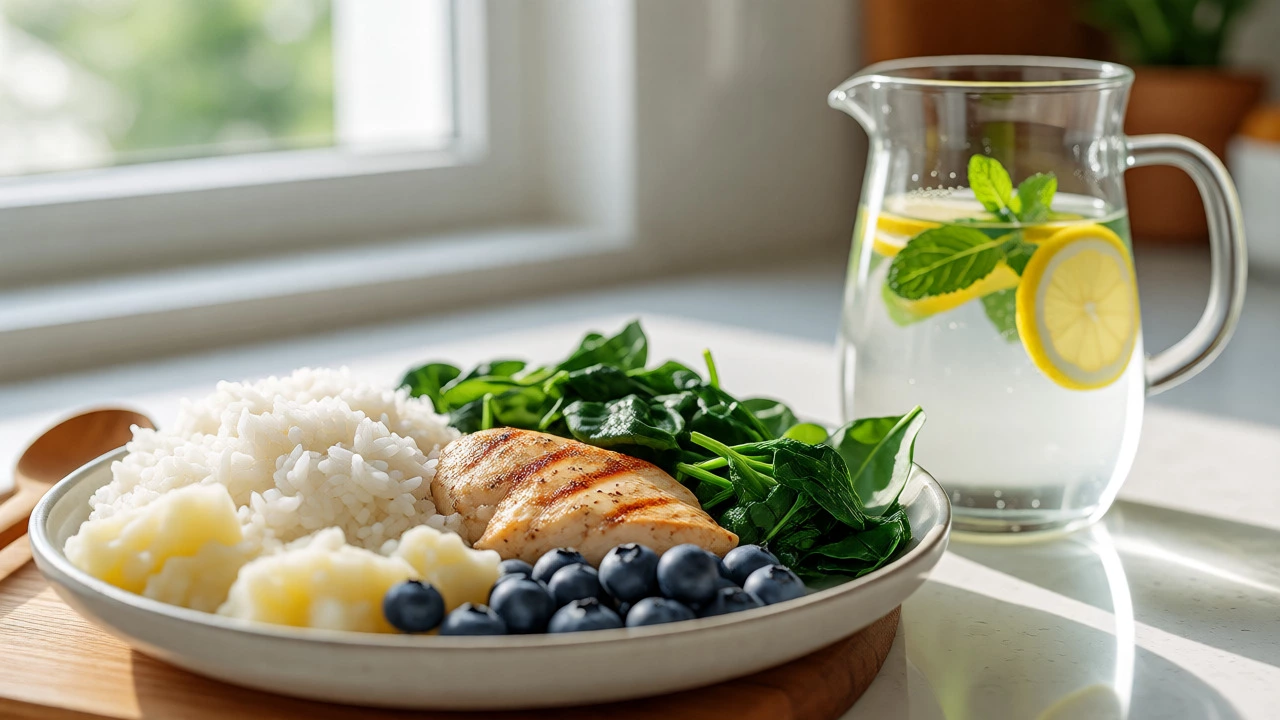
Some carbohydrates ferment in your gut, creating gas and distending your stomach. Common culprits include onions, garlic, wheat, beans, and certain fruits like apples and pears. You don’t need to eliminate them forever, but for this week, swap them for lower-FODMAP options. Choose rice, oats, potatoes, carrots, spinach, and berries. These foods provide energy without causing that uncomfortable "food baby" feeling.
Prioritize Protein and Fiber
Protein keeps you full and supports muscle maintenance, which is crucial if you are exercising. Aim for a palm-sized portion of chicken, fish, eggs, or tofu at every meal. Pair this with soluble fiber found in oats, psyllium husk, or cooked vegetables. Soluble fiber absorbs water and forms a gel-like substance, which slows digestion and prevents spikes in blood sugar that lead to fat storage. Just be careful not to increase fiber too drastically if your body isn't used to it, as that can cause temporary gas.
| Eat This Instead | Avoid This | Why |
|---|---|---|
| White Rice / Potatoes | Bread / Pasta | Less gluten and fermentation risk |
| Grilled Chicken / Fish | Fried Chicken / Sausages | Lower fat and sodium content |
| Berries / Kiwi | Apples / Pears | Lower fructose and sorbitol levels |
| Herbal Tea / Water | Soda / Alcohol | No carbonation or diuretic dehydration |
Movement That Targets the Midsection
Doing 500 sit-ups won't spot-reduce fat. In fact, excessive crunching can strain your neck and back. Instead, focus on exercises that engage the entire core, including the transverse abdominis (your natural corset muscle), and compound movements that burn more calories overall.
Walking is Underrated
High-intensity interval training (HIIT) is popular, but walking is superior for lowering cortisol, the stress hormone linked to belly fat storage. Aim for 10,000 steps daily. It aids digestion, reduces stress, and burns calories without spiking hunger hormones. If you live in a city like Melbourne, take advantage of the weather and walk during lunch breaks. It clears your head and keeps your metabolism active throughout the day.
Core Activation Exercises
Include these three moves into your routine every other day. They build tension and stability rather than just flexion.
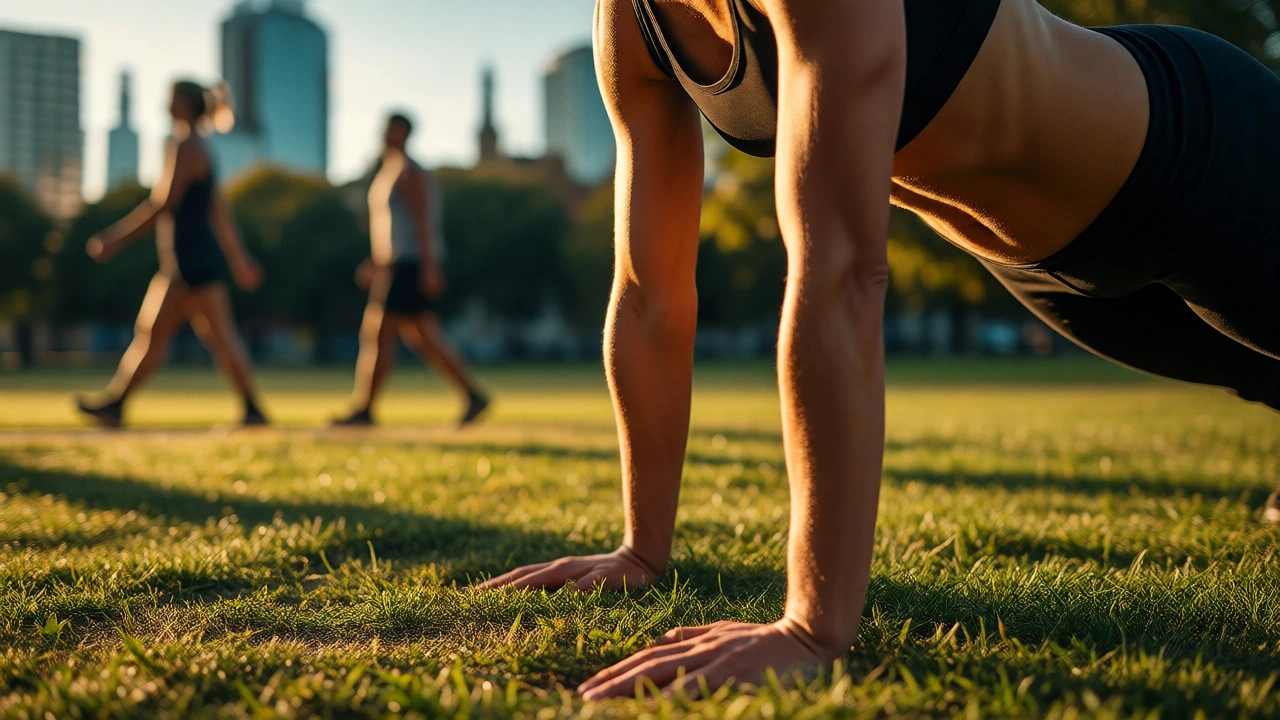
- Planks: Hold for 30-60 seconds. Keep your body in a straight line from head to heels. Squeeze your glutes and pull your belly button toward your spine. This strengthens the deep abdominal wall.
- Dead Bugs: Lie on your back with arms extended toward the ceiling and knees bent at 90 degrees. Lower opposite arm and leg toward the floor while keeping your lower back pressed into the ground. This teaches you to stabilize your spine while moving your limbs.
- Bird-Dogs: On all fours, extend one arm forward and the opposite leg backward. Pause, then switch. This improves balance and engages the posterior chain, supporting better posture and a tighter appearance.
Avoid Overtraining Abs
Your abs recover like any other muscle group. Training them to failure every day can lead to inflammation and water retention in the area. Rest days are productive days. Use them for stretching or light yoga to decompress the spine and improve circulation.
Lifestyle Factors You Can't Ignore
Diet and exercise cover 80% of the results, but the remaining 20% comes from sleep and stress management. Neglecting these can sabotage even the perfect diet.
Sleep Hygiene Matters
When you are sleep-deprived, your body produces more ghrelin (the hunger hormone) and less leptin (the satiety hormone). You crave sugary, salty foods because your brain seeks quick energy. Aim for 7-9 hours of quality sleep. Establish a bedtime routine: dim lights, no screens an hour before bed, and keep your room cool. Better sleep regulates insulin sensitivity, helping your body process food more efficiently.
Manage Stress Levels
Chronic stress elevates cortisol, which specifically encourages fat storage in the abdominal region. Find ways to unwind. Deep breathing exercises, meditation apps, or simply reading a book can lower cortisol levels. Try box breathing: inhale for four seconds, hold for four, exhale for four, hold for four. Repeat for five minutes. It signals your nervous system to relax, reducing the physiological drive to store belly fat.
Hydration Strategy
It sounds counterintuitive, but drinking more water helps you lose water weight. When you are dehydrated, your body hoards water as a survival mechanism. By staying well-hydrated, you signal to your kidneys that it’s safe to release excess fluid.
Drink at least 2-3 liters of plain water daily. Start your morning with a glass of warm water with lemon to stimulate digestion. Avoid sugary drinks, alcohol, and excessive caffeine. Alcohol is particularly problematic for a flat tummy; it adds empty calories, dehydrates you, and disrupts sleep. If you must drink, limit yourself to one small glass of red wine, but water is always the better choice for a seven-day challenge.

Sample 7-Day Plan Overview
Here is how a typical day looks during this reset. Notice there is no fasting required, just mindful eating.
- Upon Waking: Drink 500ml water. Do 5 minutes of stretching.
- Breakfast: Oatmeal with blueberries and walnuts. No added sugar.
- Morning Snack: An apple or a handful of almonds.
- Lunch: Grilled chicken salad with olive oil and vinegar dressing. Add quinoa for complex carbs.
- Afternoon Activity: 30-minute brisk walk. Core circuit (Planks, Dead Bugs).
- Dinner: Baked salmon with steamed broccoli and sweet potato. Eat at least 3 hours before bed.
- Evening: Herbal tea (peppermint or ginger aid digestion). No late-night snacking.
Common Pitfalls to Avoid
Don't fall for these traps that ruin progress.
- Skipping Meals: This slows your metabolism and leads to binge eating later. Eat regular, balanced meals.
- Drinking Calories: Smoothies, juices, and lattes pack hidden sugars. Stick to whole foods.
- Obsessing Over the Scale: Weight fluctuates daily due to hydration and bowel movements. Trust how your clothes fit and how your stomach feels.
- Ignoring Chewing: Eating too fast causes you to swallow air, leading to bloating. Chew slowly and thoroughly.
By focusing on reducing inflammation, managing water retention, and activating your core, you can achieve a visibly slimmer stomach in just one week. It sets a positive momentum for long-term health, proving that small, consistent changes yield tangible results.
Can I really lose belly fat in 7 days?
You can lose water weight and reduce bloating, which makes your stomach appear slimmer. However, significant reduction in actual fat tissue takes longer, typically requiring a sustained calorie deficit over several weeks.
Do crunches help slim the stomach?
Crunches strengthen abdominal muscles but do not burn fat specifically from the stomach area. Spot reduction is a myth. Compound exercises and cardio are more effective for overall fat loss, while planks and dead bugs are better for core stability and posture.
Should I cut carbs completely?
No, you don't need to go keto. Reducing refined carbs and high-FODMAP foods helps decrease bloating and water retention. Focus on whole, unprocessed carbohydrates like oats, rice, and vegetables to maintain energy levels.
Is intermittent fasting good for a flat tummy?
Intermittent fasting can help some people control calorie intake and improve insulin sensitivity. However, it is not mandatory. Consistent, balanced meals throughout the day work just as well if they support a slight calorie deficit and reduce digestive stress.
What is the best drink for reducing bloating?
Water is the most important. Peppermint tea and ginger tea are also excellent choices as they aid digestion and soothe the gastrointestinal tract, helping to expel trapped gas and reduce abdominal distension.