Bike Classification & Insurance Advisor
Not sure if your bike counts as "sports equipment" for insurance claims or tax deductions? Answer a few questions to find out.
Sports Equipment
Insurance Advice
Tax/Business Note
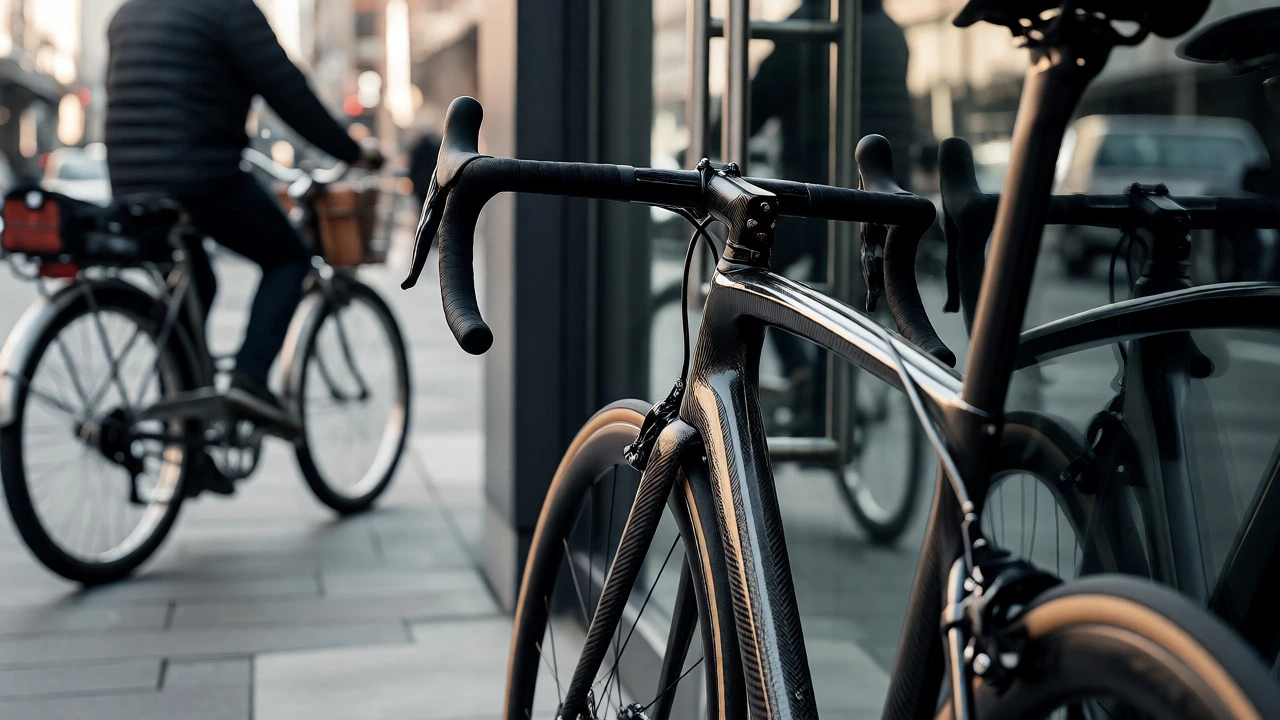
You’re standing in a shop, staring at a shiny new road bike. The price tag makes you hesitate. You wonder: is this just transport, or is it sports equipment? If you try to claim it on insurance, will they laugh? If you pack it for a race, does it count as gear?
The answer isn’t simple because "bike" is a broad term. A rusty commuter with a basket is different from a carbon-fiber racing machine. But generally, yes, a bike is sports equipment when used for exercise, competition, or recreation. When it’s just a way to get to work, it’s personal property or transportation. Let’s break down exactly when your two-wheeler crosses the line into the world of sporting goods.
Defining the Boundary Between Transport and Sport
Think about how you use the object. That’s the primary test. If you ride to the corner store for milk, you’re using a vehicle. If you ride ten kilometers along the Yarra River trail to burn calories, you’re using sports equipment. The object doesn’t change; its purpose does.
Sporting goods are items designed for physical activity. This includes shoes, rackets, balls, and yes, bicycles. However, not every bicycle fits this definition equally. A heavy steel cruiser with wide tires and an upright position is optimized for comfort, not performance. It sits in a gray area. Meanwhile, a lightweight road bike with drop handlebars is engineered specifically for speed and efficiency-hallmarks of sport.
Insurance companies and retailers often rely on this distinction. If you buy a helmet, that’s clearly protective sports gear. Your bike? It depends. Many home insurance policies cover bikes under "personal property," not "sports equipment." But if you join a cycling club, you might need specific liability coverage that treats your bike as part of your sporting activity.
Types of Bikes and Their Sporting Classification
Not all bikes are created equal. Some are built purely for leisure, while others are high-performance machines. Here’s how common types stack up against the definition of sports equipment.
| Bike Type | Primary Use | Sports Equipment Status | Why? |
|---|---|---|---|
| Road Bike | Racing, fitness training | High | Designed for speed, endurance, and competitive events. |
| Mountain Bike (MTB) | Trail riding, downhill racing | High | Built for technical terrain and physical challenge. |
| Commuter Bike | Daily transport | Low/Medium | Primarily utilitarian, though can be used for fitness. |
| Cruiser | Leisurely rides | Low | Focused on comfort rather than athletic performance. |
| BMX | Stunts, racing | High | Used in Olympic disciplines and extreme sports. |
Notice the pattern? The more specialized the design, the more likely it is classified as sports equipment. A BMX bike is almost always considered gear because it’s rarely used for commuting. Conversely, a basic hybrid bike might sit in your garage next to your lawnmower, treated as general household property.
When Does Insurance Treat a Bike as Gear?
This matters if you’re worried about theft or damage. Standard homeowner’s insurance usually covers bikes under "contents" or "personal property," regardless of whether they’re sports equipment. But there’s a catch: limits.
Most policies have sub-limits for certain categories. Sometimes, expensive sports equipment has lower payout caps unless you add a rider. If you own a $5,000 carbon fiber Specialized Tarmac, you don’t want it lumped in with your old beach towels. You might need scheduled personal property coverage.
Here’s a pro tip: Check your policy’s definition of "motorized vehicles." Most bikes aren’t motorized, so they fall under standard property rules. But e-bikes? Those can be tricky. Some insurers classify high-speed e-bikes closer to mopeds, which changes everything. Always ask your provider specifically about "bicycles used for sport" versus "bicycles used for transport."

Health Benefits: Why the Label Doesn’t Really Matter
Let’s step back. Does it really matter if your bike is officially "sports equipment"? Not really. What matters is what it does for your body. Cycling is one of the most efficient ways to improve cardiovascular health without wrecking your joints.
Unlike running, which sends shockwaves through your knees, cycling is low-impact. A study published in the British Journal of Sports Medicine found that regular cyclists had a significantly lower risk of heart disease compared to non-cyclists. That’s a huge win. Whether you call it gear or transport, the physiological response is the same: your heart pumps harder, your lungs expand, and your muscles engage.
If you’re trying to lose weight, consistency beats intensity. Riding your commuter bike to work counts just as much as a weekend trail ride. The label "sports equipment" doesn’t make the calories burn faster. Your effort does. So stop worrying about definitions and start worrying about mileage.
Essential Accessories That Are Definitely Sports Equipment
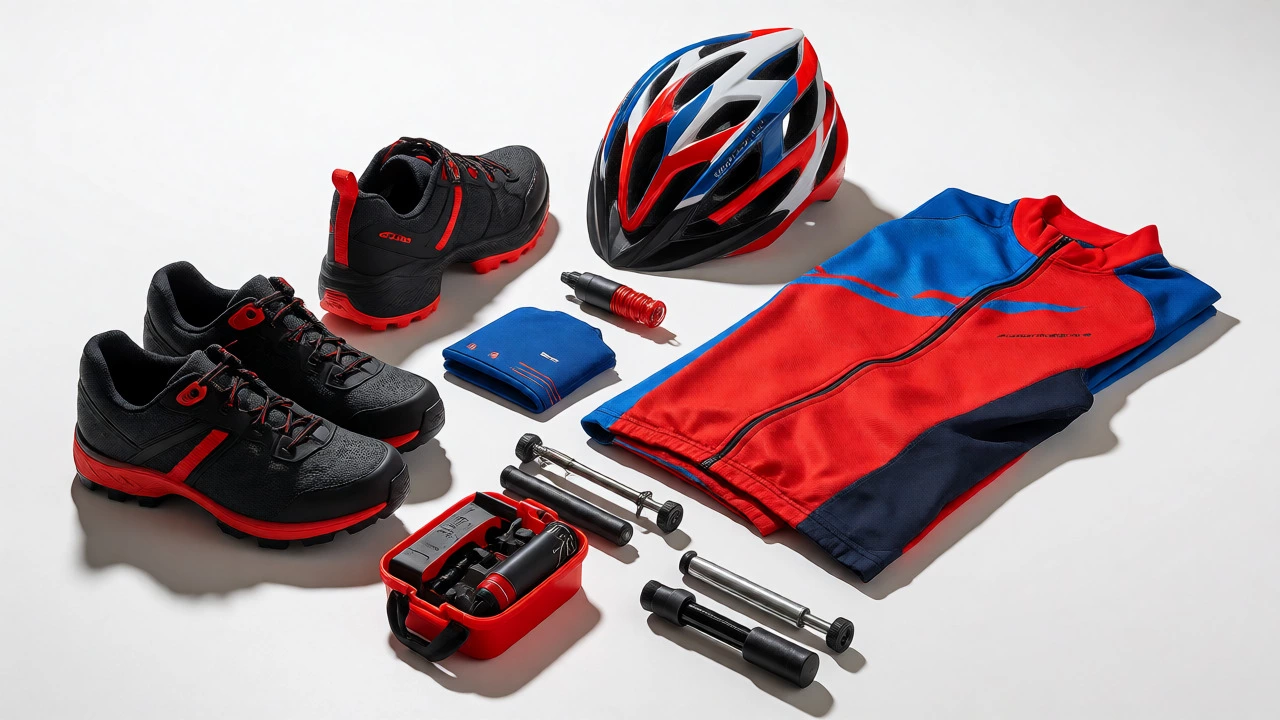
While the bike itself is debatable depending on usage, accessories are clear-cut. No one argues that a helmet isn’t sports gear. In fact, in Australia, wearing a helmet is legally required for all riders, reinforcing its status as essential safety equipment.
Consider these items:
- Helmets: Certified to standards like AS/NZS 2063. They are protective gear, period.
- Cycling Shoes: Designed with stiff soles to transfer power efficiently. These are performance tools.
- Jerseys: Moisture-wicking fabrics designed for athletic movement, not fashion.
- Pumps and Repair Kits: Maintenance tools essential for keeping your sporting apparatus functional.
These items support the athletic function of the bike. If you buy them, you’re investing in the sport aspect of cycling, even if your bike is technically a commuter.
How to Classify Your Bike for Tax or Business Purposes
If you’re a freelancer or small business owner in Melbourne, you might deduct bike expenses. Can you claim it as sports equipment? Usually, no. You claim it as a tool of trade or a vehicle.
The Australian Taxation Office (ATO) allows deductions for bikes used primarily for work-related travel. If you ride to client meetings, you can claim depreciation and maintenance costs. But if you ride for fitness after work, you can’t claim those portions. Keeping a logbook helps separate business miles from sport miles. This distinction protects you during an audit and ensures you’re maximizing legitimate claims.
Common Misconceptions About Bikes and Sport
People often think you need a racing bike to be a "cyclist." False. You can be a cyclist on a $100 thrift-store bike. The activity defines the participant, not the equipment grade.
Another myth: "Only athletes need sports equipment." Wrong. Safety gear is for everyone. Even casual riders should wear helmets and lights. Calling your bike "just transport" shouldn’t excuse poor safety practices. Treat your bike with the respect you’d give any piece of machinery involved in physical activity.
Is a stationary bike considered sports equipment?
Yes, absolutely. Stationary bikes are explicitly designed for indoor exercise and fitness training. Unlike outdoor bikes, they have no practical transport function, so their sole purpose is athletic. They are universally classified as sports equipment by retailers and insurers.
Do I need special insurance for my bike if it's sports equipment?
Not necessarily special insurance, but you may need higher coverage limits. Standard home insurance often has caps on valuables. If your bike is high-value sports equipment, consider adding a scheduled item endorsement to ensure full replacement value in case of theft or damage.
Are e-bikes considered sports equipment?
It depends on the model and local laws. Pedelec e-bikes that assist only when pedaling are often treated similarly to standard bikes. Faster e-bikes may be regulated more like mopeds. For insurance purposes, they are frequently categorized separately due to higher theft risk and repair costs.
Can I claim my bike as a tax deduction for fitness?
Generally, no. Personal fitness expenses are rarely tax-deductible for individuals. However, if you use the bike primarily for business travel, you may claim depreciation and running costs proportional to business use. Consult a tax professional for your specific situation.
What makes a bike 'professional' sports equipment?
Professional-grade bikes feature advanced materials like carbon fiber, precision engineering, and specialized components for performance. They are designed for competitive advantage, durability under stress, and weight reduction, distinguishing them from recreational models.