
Boxing Match Type & Safety Checker
Describe Your Session
Result
Select your options and click Analyze to identify your match type.
You walk into the gym, put on your gloves, and step into the ring with a partner. The goal isn't to knock them out or get knocked out yourself. You're moving, throwing punches, and learning. But what do you actually call this? If you've ever wondered what is a friendly boxing match called, the answer depends entirely on why you are stepping into that ring. Are you training for a real fight, or are you performing for an audience?
In the world of combat sports, language matters. Calling a training session an "exhibition" can confuse coaches, referees, and promoters. Conversely, calling a public demo a "sparring session" might scare off casual fans who expect a show. Understanding the difference between these terms helps you communicate better with your gym mates, understand safety rules, and know exactly what to expect when you lace up your boots.
The Training Ground: Sparring
If you are asking about a friendly match in the context of daily training, the correct term is almost always Sparring. Sparring is a simulated boxing match used by fighters to practice their skills against a resisting opponent. It is the bridge between hitting a heavy bag and fighting in a sanctioned bout.
Sparring is not just one thing. In any serious gym, sparring is categorized by intensity and purpose. When people say they are having a "friendly" spar, they usually mean "light technical sparring." Here’s how it breaks down:
- Technical Sparring: This is slow-paced. The focus is on footwork, defense, and setting up combinations. Punches are pulled significantly. It feels like a dance where you are trying to touch your partner without hurting them. This is the safest form of sparring and is ideal for beginners.
- Light Sparring: The speed increases. You are reacting more instinctively. Contact is harder than in technical sparring, but still controlled. The goal is to test your timing and distance management under mild pressure.
- Hard Sparring: This is closer to a real fight. Intensity is high, and power shots are thrown. While still "friendly" in the sense that both parties agree to participate, this carries significant risk of injury and is reserved for advanced fighters preparing for competition.
The key element of all sparring is consent and control. A friendly spar ends immediately if someone gets hurt or if the agreement is broken. There is no referee stopping the action unless necessary, and there is no winner declared at the end. You shake hands, take off your headgear, and go back to working on your jab.
The Public Show: Exhibition Bouts
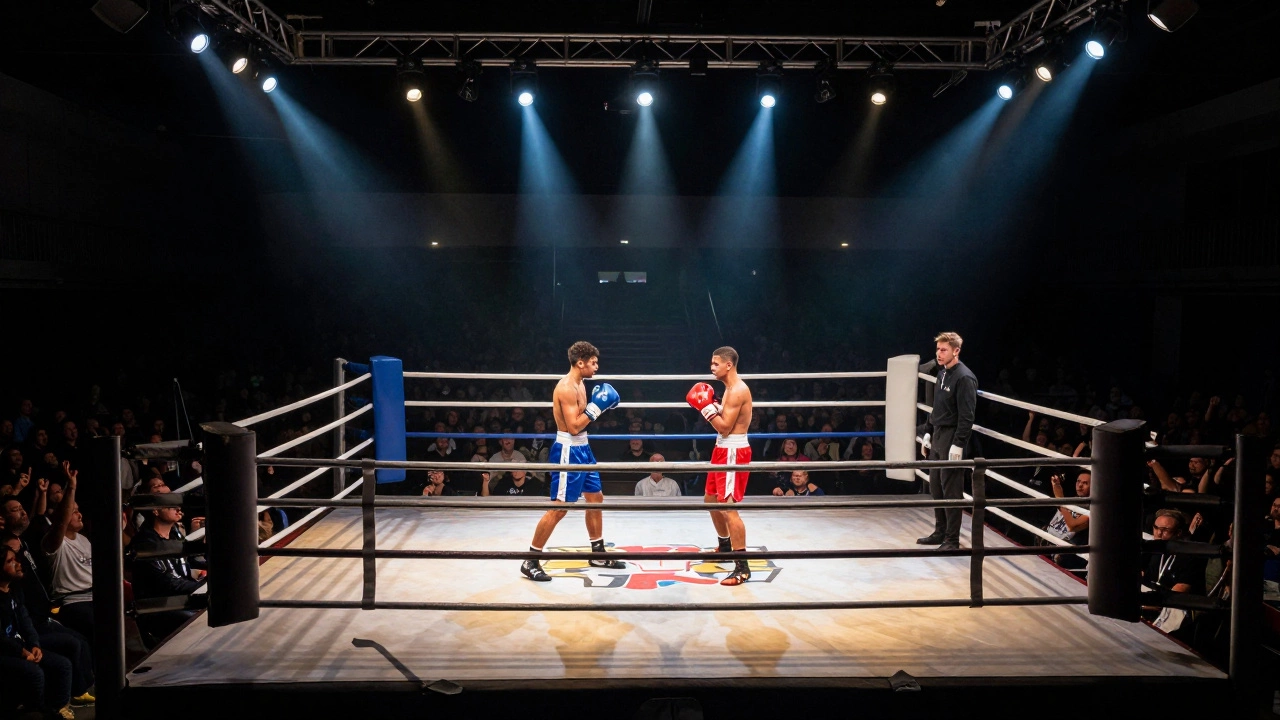
If you are watching two boxers step into a ring in front of a crowd, wearing full gear, with a bell ringing and rounds being counted, but there is no official ranking or championship on the line, this is called an Exhibition Bout. An exhibition bout is a non-sanctioned boxing match performed primarily for entertainment, promotion, or charity.
Exhibitions look like real fights, but the rules are often different. Because they are not sanctioned by athletic commissions, the medical requirements and judging criteria can vary wildly. Sometimes, exhibitions have judges and a declared winner. Other times, they are purely demonstrative, meant to showcase new techniques or promote an upcoming major event.
Famous examples include celebrity fights or comeback tours for retired legends. These matches generate huge interest because they feature recognizable names, but they lack the stakes of professional boxing. For the average person, an "exhibition" might be a local gym putting on a show for parents and friends after a summer camp. It’s friendly, it’s public, and it’s designed to be safe while looking exciting.
Amateur Contests: Bouts and Tournaments
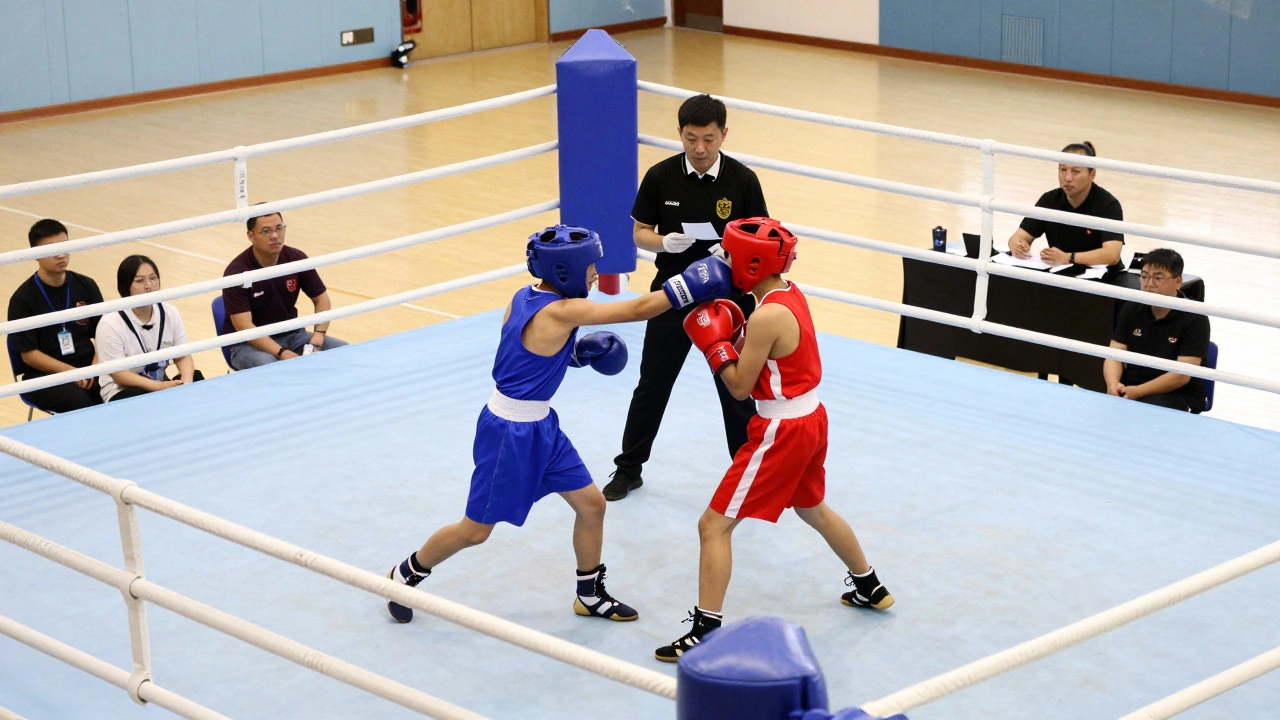
There is a third category that often confuses newcomers: amateur competitions. If you sign up for a local tournament, wear headgear, and fight for points, you are participating in an Amateur Bout. While these are competitive, they are often viewed as "friendlier" than professional fights because safety protocols are stricter.
In amateur boxing, governed by organizations like USA Boxing or World Boxing, the emphasis is on scoring clean hits rather than inflicting damage. Fighters wear protective headgear, mouthguards, and larger gloves. The matches are short-often three rounds of two minutes each. Even though there is a winner and a loser, the atmosphere is generally supportive. Many amateur tournaments start with a ceremony honoring all participants, reinforcing the idea that showing up and competing is an achievement in itself.
So, if you join a local club and fight someone from another city, it’s not really a "friendly match" in the casual sense-it’s a contest. But compared to the brutal reality of pro boxing, it retains a spirit of camaraderie and development.
Key Differences: Sparring vs. Exhibition vs. Amateur Fight
To help you decide which term fits your situation, let’s compare them side-by-side. Understanding these distinctions ensures you set the right expectations with your partners or audience.
| Feature | Sparring | Exhibition Bout | Amateur Bout |
|---|---|---|---|
| Primary Goal | Training & Skill Development | Entertainment & Promotion | Competition & Ranking |
| Audience | None (Private) | Public / Fans | Judges & Spectators |
| Winner Declared? | No | Sometimes (Varies) | Yes (Points System) |
| Sanctioning Body | Gym Coach | Promoter / Organizer | Athletic Commission / Federation |
| Protective Gear | Headgear, Mouthguard, Gloves | Varies (Often minimal) | Mandatory Headgear & Gloves |
| Intensity Level | Low to High (Controlled) | Medium (Performance-based) | High (Competitive) |
Safety First: Rules for Friendly Sessions
Whether you call it sparring or an exhibition, safety is the cornerstone of any friendly boxing interaction. Without proper precautions, a "friendly" match can quickly turn dangerous. Here are the non-negotiable rules for keeping things safe:
- Always Wear Protection: Never spar without a mouthguard. For beginners, headgear is essential. Use 16oz or 18oz sparring gloves to absorb impact. Bare-knuckle "friendly" fights are not boxing; they are brawls, and they carry a high risk of hand injuries and concussions.
- Communicate Beforehand: Agree on the intensity level before you enter the ring. Say clearly, "Let's keep this light," or "I want to work on my hooks." Miscommunication is the leading cause of accidental injuries in sparring.
- Tap Out System: Establish a signal to stop the action immediately. This could be tapping your partner’s glove, dropping your hands, or saying "stop." Respect this signal instantly. No ego, no arguing.
- Supervision: Have a coach or experienced boxer watch over you. They can spot technique breakdowns or excessive force that you might miss in the heat of the moment.
- Hygiene and Health: Ensure both parties are healthy. Do not spar if you have a cold, eye infection, or open cuts. Sweat and saliva spread bacteria quickly in close-contact sports.
Why Terminology Matters in Your Gym
Using the right words builds respect in the boxing community. If you ask a seasoned fighter to "spar" with you, they will prepare mentally for resistance. If you tell them it’s an "exhibition," they might perform flashy moves instead of testing your defense. Clarity prevents mismatched expectations.
For beginners, sticking to "technical sparring" is the best approach. It allows you to make mistakes without fear of getting hit hard. As you progress, you can negotiate harder sessions. Always remember that boxing is a martial art rooted in discipline. The friendliest matches are those where both participants prioritize each other’s well-being over winning.
Common Misconceptions About Friendly Fights
Many newcomers to boxing hold incorrect beliefs about what constitutes a friendly match. Let’s clear up some common myths:
- Myth: Friendly means no contact. Reality: Light contact is necessary to learn distance and timing. However, it should never be painful. If it hurts, it’s too hard.
- Myth: Exhibitions are safe because they’re fake. Reality: Even in exhibitions, fighters can throw full-power punches if not carefully managed. Lack of strict refereeing can sometimes lead to dangerous situations.
- Myth: You can spar anyone. Reality: Size, weight, and skill level matter greatly. Sparring with someone much heavier or faster can be traumatic for your body and confidence. Stick to partners within your weight class or skill bracket.
Understanding these nuances helps you navigate the gym environment safely and effectively. Whether you are lacing up for your first technical spar or watching a celebrity exhibition, knowing the terminology gives you insight into the intent behind the action.
Is sparring considered a friendly boxing match?
Yes, sparring is the most common form of friendly boxing match. It is a training exercise where two boxers simulate a fight with controlled intensity. The goal is improvement, not victory, making it inherently cooperative and "friendly" in nature, provided both parties follow safety guidelines.
What is the difference between an exhibition and a real fight?
A real fight is sanctioned by an athletic commission, has strict rules, mandatory medical checks, and determines a winner for rankings or titles. An exhibition is unsanctioned, often lacks a declared winner, and is performed for entertainment or promotional purposes. The stakes and regulatory oversight are significantly lower in exhibitions.
Can beginners participate in sparring?
Yes, but only under strict supervision. Beginners should start with technical sparring, which is slow and focuses on movement rather than power. Always wear appropriate protective gear, including headgear and 16oz+ gloves, and ensure your coach approves your readiness before engaging in any contact drills.
Are exhibition bouts safe for spectators?
Generally, yes, but safety standards vary. Since exhibitions are not always regulated by athletic commissions, the level of medical supervision and referee intervention can differ. Reputable organizers maintain high safety standards, but casual or poorly organized events may pose higher risks to participants.
What gear is required for a friendly sparring session?
Essential gear includes boxing gloves (16oz or heavier for sparring), hand wraps, a mouthguard, and shin guards (if kickboxing). For beginners, headgear is highly recommended to protect against cuts and minor impacts. Proper footwear is also crucial to prevent ankle injuries.
How do I find a sparring partner?
Join a reputable boxing gym and express your interest to the coach. Coaches typically pair students based on similar weight, height, and skill levels. Avoid seeking random partners online; training with someone vetted by a professional ensures better compatibility and safety.