
Find Your Best Gym Routine
Not sure which split fits your life? Answer three quick questions to get a personalized recommendation based on proven methodologies.
Your Recommended Split
Sample Structure:
Walk into any commercial gym in Melbourne on a Monday evening, and you will see the same mistake repeated hundreds of times. People wander from machine to machine, doing random exercises they saw on Instagram, hoping for results that never come. The truth is simple: there is no single best gym workout routine that works for everyone. The "best" routine depends entirely on your current fitness level, your schedule, and whether you want to get stronger, bigger, or leaner.
If you are looking for a magic plan that fixes everything overnight, you are chasing a ghost. But if you want a structured approach that actually moves the needle, we need to look at proven methodologies. We are not talking about obscure biohacks here. We are talking about time-tested splits like Push-Pull-Legs, Upper/Lower, and Full Body routines. Each has its place. Your job is to pick the one that fits your life so you can stick with it long enough to see changes.
Why Structure Beats Randomness Every Time
Think of your muscles like a bank account. If you deposit effort randomly-doing a bicep curl today, then nothing for three days, then a heavy squat-you might make progress, but it’s inefficient. A structured Gym Workout Routine is a planned sequence of exercises designed to maximize adaptation by controlling volume, intensity, and frequency. When you follow a plan, you track numbers. You know exactly how much weight you lifted last week, which means you know exactly what you need to beat this week. This concept, known as progressive overload, is the engine of all physical change.
Without a routine, you cannot measure progress accurately. Did you fail because you were tired? Because your form was off? Or because you genuinely hit your limit? A good plan removes the guesswork. It tells you when to rest, when to push hard, and when to back off. This reduces mental fatigue. You stop thinking about what to do next and start focusing on execution. That focus is where the real work happens.
The Best Routines Based on Your Experience Level
Your history with weights dictates your starting point. Trying to run before you can walk leads to injury and frustration. Here is how to match the routine to your experience.
Beginners: The Full Body Split
If you have been away from the gym for more than six months, or you are new to lifting, ignore the fancy splits influencers use. Stick to a Full Body routine performed three times a week. Why? Because beginners recover faster from lower volume per session but need higher frequency to learn movement patterns. Hitting every muscle group three times a week reinforces neural pathways. You aren't just building muscle; you are teaching your brain how to move.
A typical beginner session includes one compound lift for each major movement pattern: a squat (or leg press), a hinge (deadlift or rack pull), a horizontal push (bench press), a vertical push (overhead press), a horizontal pull (row), and a vertical pull (pull-up or lat pulldown). Keep reps moderate, around 8-12, and leave two reps in the tank. Do not go to failure yet. Master the technique first.
Intermediates: The Upper/Lower Split
Once you can consistently add weight to the bar for several weeks without breaking form, you have graduated. Now, your muscles need more stimulus to grow, but also more time to recover. Enter the Upper/Lower split. This divides your week into four days: two upper body days and two lower body days. This allows you to increase volume per muscle group while keeping sessions manageable (45-60 minutes).
This split is ideal for people who want balanced development. You might train upper body on Monday and Thursday, and lower body on Tuesday and Friday. Wednesday, Saturday, and Sunday become rest or active recovery days. This structure lets you hammer specific weaknesses. Maybe your chest lags behind your shoulders? You can prioritize bench variations early in your upper sessions. It offers flexibility without sacrificing consistency.
Advanced: Push/Pull/Legs (PPL)
The PPL routine is arguably the most popular intermediate-to-advanced split for a reason. It groups muscles by function: pushing movements (chest, shoulders, triceps), pulling movements (back, biceps, rear delts), and leg movements (quads, hamstrings, glutes, calves). Typically, you run this six days a week, repeating the cycle twice. For example: Push, Pull, Legs, Push, Pull, Legs, Rest.
This high-frequency approach hits every muscle twice a week with significant volume. It demands better recovery habits-sleep, nutrition, stress management-because the workload is heavier. If you miss a day, the rhythm breaks slightly, but it’s forgiving enough to adjust. Many advanced lifters prefer PPL because it allows for specialization. You can dedicate an entire session to back width or quad thickness without worrying about fatiguing unrelated muscles.
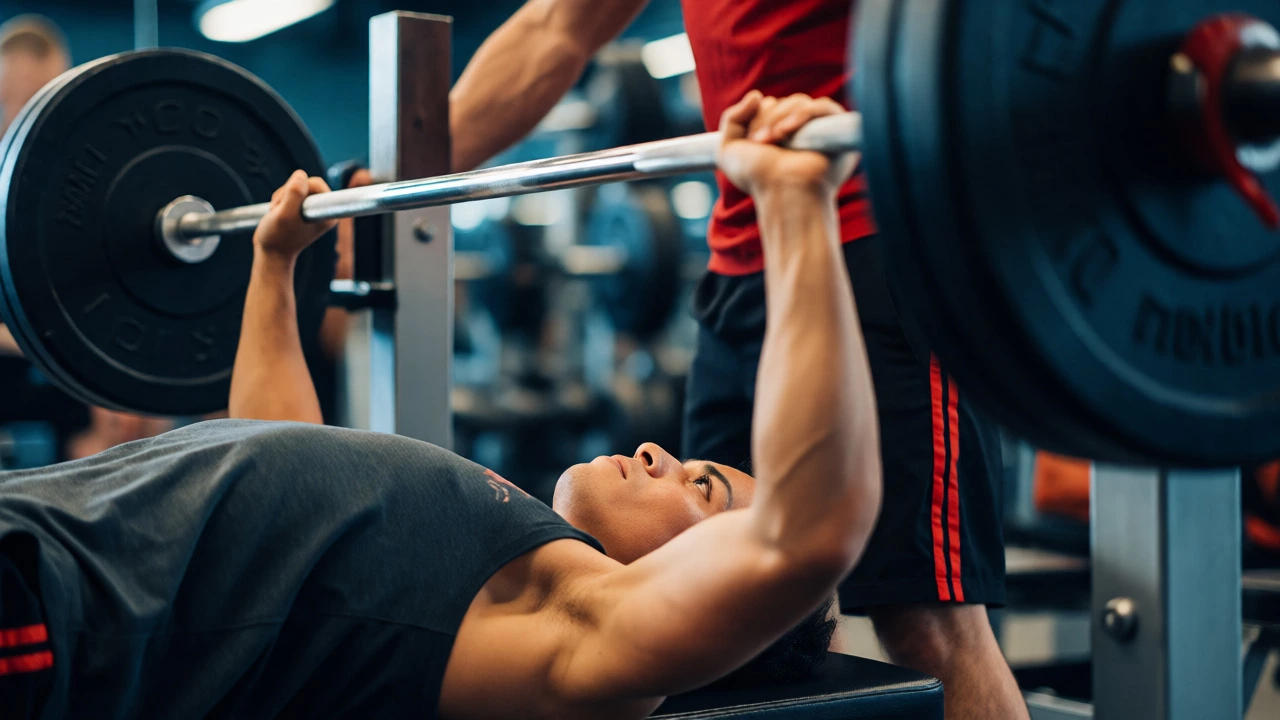
Comparing the Top Gym Splits
Choosing between these routines isn't just about preference; it's about logistics. Can you train six days a week? Do you have only 45 minutes per session? Here is a breakdown to help you decide.
| Routine Type | Frequency | Session Length | Best For | Recovery Demand |
|---|---|---|---|---|
| Full Body | 3x / week | 45-60 mins | Beginners, busy schedules | Low |
| Upper/Lower | 4x / week | 60-75 mins | Intermediates, balanced goals | Moderate |
| Push/Pull/Legs | 6x / week | 60-90 mins | Advanced, hypertrophy focus | High |
| Bro Split | 5x / week | 60-90 mins | Bodybuilders, low frequency tolerance | Variable |
Notice the "Bro Split" mentioned above. This is the classic "Chest Day," "Back Day," etc., where you hit one muscle group once a week. While many still swear by it, research generally suggests that hitting a muscle twice a week yields better growth for natural lifters. However, if you enjoy the pump and the social aspect of dedicated muscle days, it can still work if the volume is sufficient.
Key Components of Any Effective Routine
No matter which split you choose, certain elements must be present for the routine to be effective. Skipping these is like trying to drive a car without fuel.
- Compound Movements: These are multi-joint exercises like squats, deadlifts, bench presses, and overhead presses. They recruit the most muscle mass and trigger the greatest hormonal response. Build your workout around these first.
- Progressive Overload: You must gradually increase the demand placed on your body. This doesn't always mean adding weight. It could mean doing one more rep, improving your form, or reducing rest time. Track your lifts. If the numbers aren't going up over months, you aren't progressing.
- Deload Weeks: Every 6-8 weeks, reduce your volume or intensity by 50%. This allows connective tissues to heal and prevents burnout. Most people skip this and end up injured or plateaued. Don't be most people.
- Warm-Up Protocol: Never start cold. Spend 5-10 minutes on dynamic stretching and light cardio, followed by specific warm-up sets for your first exercise. This primes your nervous system and joints.

Common Pitfalls That Kill Gains
Even the best gym workout routine fails if executed poorly. Here are the traps I see constantly in gyms across Australia.
Ego Lifting: Loading the bar until your form breaks down just to impress someone nearby. This shifts tension from the target muscle to joints and ligaments, increasing injury risk. Leave your ego at the door. Control the negative portion of the rep. That eccentric phase causes the most muscle damage (the good kind) needed for growth.
Neglecting Leg Training: Skipping leg day is a cliché for a reason. Your legs contain the largest muscle groups in your body. Training them boosts overall metabolic rate and releases systemic growth factors. Plus, strong legs improve performance in almost every other athletic activity. Don't skip them.
Inconsistency: The perfect routine is the one you actually do. If you try to train six days a week but only manage three, switch to a three-day Full Body plan. Consistency beats intensity every single time. Missing workouts because you set unrealistic expectations is the number one reason people quit.
Tailoring the Routine to Your Goals
Are you trying to lose fat or build muscle? The routine structure matters less than the calorie balance, but it still plays a role.
For Fat Loss, maintaining muscle mass while in a caloric deficit is the primary objective. Keep lifting heavy. High-intensity resistance training preserves lean tissue better than steady-state cardio alone. Reduce rest periods slightly to keep heart rate elevated, but don't turn your weight training into aerobics. Lift heavy, eat less, move more.
For Muscle Gain, hypertrophy requires sufficient volume and a caloric surplus. Focus on the 8-12 rep range for most exercises. Ensure you are eating enough protein-aim for 1.6g to 2.2g per kilogram of body weight. Sleep is non-negotiable here; muscle grows while you rest, not while you lift.
How long should a gym workout routine last?
Most effective routines last between 45 and 90 minutes. Beginners often finish in 45 minutes due to lower volume. Advanced lifters may take longer due to increased sets and rest periods. Quality of effort matters more than duration. If you spend 90 minutes scrolling through your phone, you're wasting time.
Is it better to do cardio before or after weights?
If your goal is strength or muscle gain, do weights first. You need fresh glycogen stores for heavy lifting. Doing cardio beforehand depletes energy and compromises form. If your primary goal is endurance or marathon prep, do cardio first. For general health, order matters less, but weights-first ensures you prioritize resistance training.
Can I change my gym workout routine every week?
No. Constantly changing exercises prevents you from tracking progress. You need consistency to apply progressive overload. Stick to a routine for at least 8-12 weeks. After that period, you can swap out accessory exercises (like changing dumbbell curls to cable curls) but keep the core compound lifts stable.
What is the best split for women?
There is no biological difference in how men and women respond to training splits. Women benefit from the same Full Body, Upper/Lower, or PPL routines as men. The choice depends on personal preference and schedule, not gender. Strength training does not make women bulky; it creates a toned, athletic physique.
Do I need supplements for the best gym workout routine?
Supplements are secondary to diet and training. Creatine Monohydrate is one of the few supplements with robust evidence supporting its ability to improve strength and power output. Protein powder is convenient for hitting daily targets but not essential if you eat enough whole foods. Skip the exotic pre-workouts unless you specifically need caffeine for energy.