Brazil Golf Cost & Popularity Estimator
Golf is growing in Brazil but remains an exclusive niche. Use this tool to estimate your potential spending on a round of golf and see how rare it is compared to the country's most popular sport.
Registered Golfers: ~30,000
Compared to Football (Soccer), which is played by millions across all social classes.
Estimated Trip Cost
Green Fees:
R$ 0
Extras (Equip/Lessons):
R$ 0
Total Estimated Cost (BRL):
R$ 0
Approx. USD:
$ 0
Insight:
Most people picture Rio de Janeiro and think of samba, football, and beach volleyball. They rarely picture a pristine green fairway or the quiet swing of a driver. Yet, if you look past the clichés, Golf is quietly becoming one of Brazil's fastest-growing sports, particularly among the wealthy elite in São Paulo and Rio.
So, is golf popular in Brazil? The short answer is no, not when compared to football (soccer), which is practically a religion there. But the long answer is far more interesting. While it remains an exclusive niche, its trajectory is steep. Over the last decade, participation has surged, new courses have popped up, and international tournaments have landed on Brazilian soil. If you are planning a trip or just curious about the sporting landscape of South America’s largest country, here is what you actually need to know.
The Reality Check: Niche vs. Mainstream
To understand the popularity, you have to look at the numbers relative to the population. Brazil has over 215 million people. According to data from the Confederação Brasileira de Golfe (CBG), there are roughly 30,000 registered amateur players. That sounds like a lot until you realize that represents less than 0.02% of the population.
In contrast, countries like the United States or Japan have millions of players. In Brazil, golf is still largely seen as a sport for the upper class. Why? Because the cost of entry is high. Green fees can range from R$300 to R$800 (approx. $60-$160 USD) per round depending on the course and day. For a middle-class family earning the national average wage, this is a significant expense. So, while you won’t see kids playing golf in favelas, you will see them playing football in the streets everywhere else.
However, don't mistake "niche" for "dead." The CBG reports a steady year-over-year growth in registrations. The sport is gaining traction not because it’s cheap, but because it offers networking opportunities and a lifestyle appeal that resonates with Brazil’s business community.
Where the Action Is: Key Regions and Courses
If you want to play golf in Brazil, you aren't spoilt for choice everywhere, but specific hubs are world-class. The concentration of courses mirrors the economic powerhouses of the country.
| Region/City | Key Course | Why It Matters |
|---|---|---|
| São Paulo | São Paulo Golf Club | The oldest club in Latin America (founded 1914). Hosts major events. |
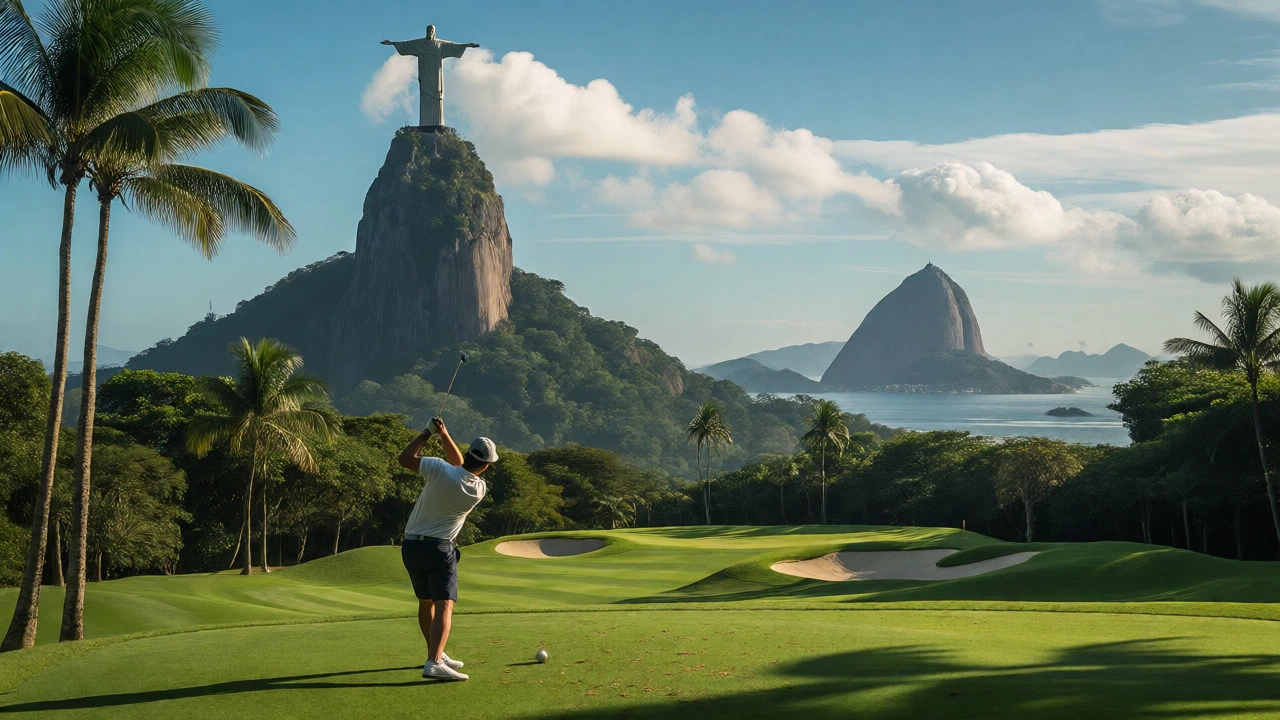
| Rio de Janeiro | Itanhangá Golf Club | Famous for stunning views of Christ the Redeemer and challenging layout. |
| Bahia | Costa do Sauípe | Resort-style golf, popular with tourists and international visitors. |
| Brasília | Brasília Golf Club | Designed by Robert Trent Jones Sr., known for unique red earth terrain. |
São Paulo is undeniably the heart of Brazilian golf. With the highest density of courses and the wealthiest population, it hosts the majority of tournaments. The São Paulo Golf Club isn't just a place to play; it’s a social institution. Getting a membership here is often harder than getting into certain universities.
Rio offers something different: spectacle. Playing at Itanhangá is a bucket-list experience for many golfers worldwide. You’re swinging your clubs against the backdrop of Sugarloaf Mountain and the Atlantic Ocean. It’s beautiful, but it’s also brutally difficult due to the wind and elevation changes.

The Professional Scene: Can Brazil Compete?
For years, the question was whether Brazil could produce a player who could compete on the PGA Tour or European Tour. Enter Adriano de Souza. Known affectionately as "Zezinho," he became the first Brazilian to win on the PGA Tour in 2017 at the Puerto Rico Open. This victory was a massive catalyst for the sport’s visibility.
Before Adriano, Brazilians were rare on the global stage. Now, seeing a compatriot compete at the highest level inspires young talent. The CBG has invested heavily in junior development programs. They’ve partnered with organizations like the USGA to bring coaching standards up to par. While Brazil hasn't produced a major champion yet, the pipeline is stronger than ever.
There is also the impact of Olympics. When golf returned to the Olympic program in 2016 in Rio, it brought mainstream media attention. Suddenly, non-golfers were watching highlights on TV. This exposure helped normalize the sport beyond the country club walls.
Challenges Holding Back Growth
If golf is growing, why isn't it booming like pickleball in the US? Several structural barriers remain.
- Land Use and Urban Sprawl: In cities like São Paulo, land is incredibly expensive. Building a new 18-hole course requires vast amounts of space that developers would rather use for housing or commercial complexes.
- Perception of Elitism: Despite efforts to democratize the sport, the image persists. Many Brazilians still associate golf with old money and exclusion. Changing this cultural narrative takes time.
- Infrastructure Gaps: Outside of the major metropolitan areas, access to driving ranges and affordable instruction is limited. If you live in the interior states, finding a coach might mean traveling hours.
Additionally, the economy plays a huge role. During recessions, discretionary spending on hobbies like golf drops first. As Brazil’s economy fluctuates, so does the number of active players.
Tourism and International Appeal
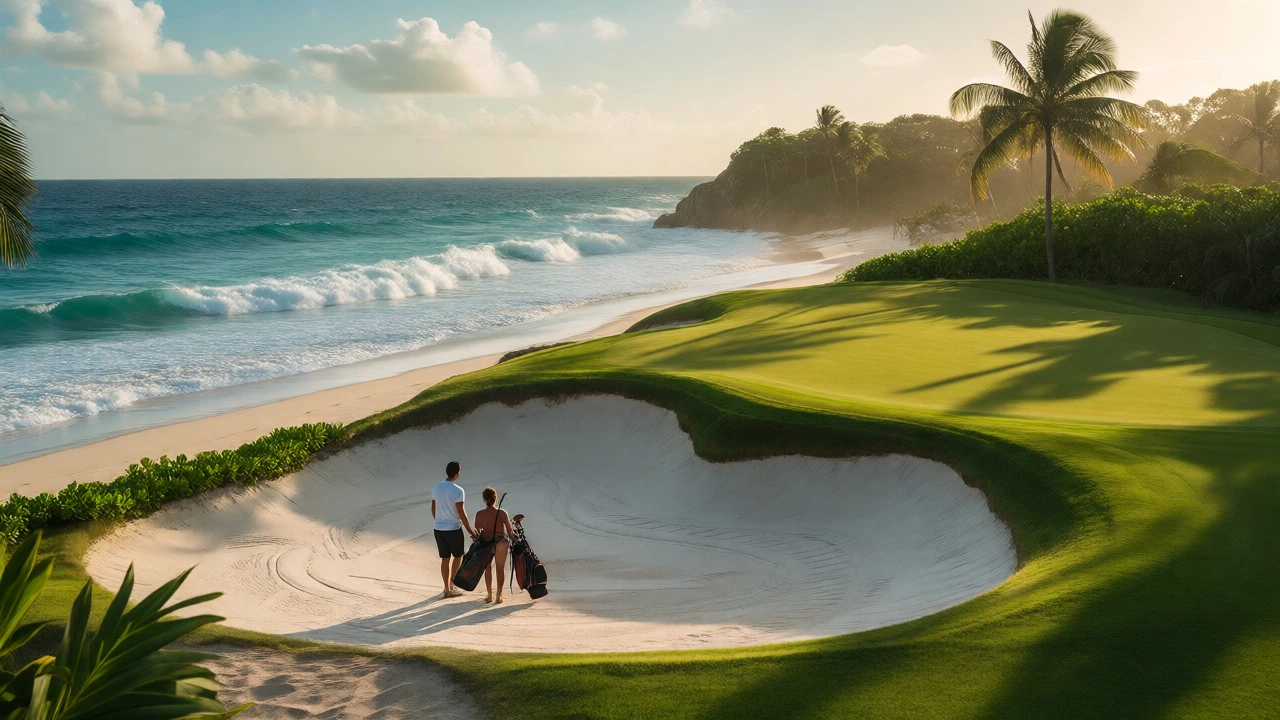
While locals make up the bulk of players, Brazil is increasingly marketing itself as a golf destination for international tourists. Resorts in the northeast, such as those in Bahia and Ceará, offer all-inclusive packages that combine luxury hospitality with championship-level courses.
These resorts cater to visitors from Europe and North America looking for warm-weather golf during their winter months. The combination of tropical scenery, cultural richness, and high-quality maintenance makes these spots competitive against traditional destinations like Florida or Spain. For a tourist, playing in Brazil is less about joining a local club and more about experiencing a premium service environment.
Moreover, the rise of digital booking platforms has made it easier for foreigners to reserve tee times without needing a member referral. This accessibility is slowly breaking down the barrier to entry for casual players visiting the country.
The Future Outlook
Will golf become a mass-market sport in Brazil? Probably not in the next ten years. Football will always reign supreme. However, golf is transitioning from a secret society activity to a recognized professional pursuit.
With continued investment in youth academies and the potential for more Brazilian stars on the world stage, interest will likely continue to climb. If another Brazilian wins a major title, you can expect a surge in enrollment at driving ranges across São Paulo and Rio. Until then, it remains a sophisticated, growing niche-popular enough to sustain a vibrant industry, but exclusive enough to maintain its allure.
Is golf expensive to play in Brazil?
Yes, it is generally considered expensive. Green fees at top-tier private clubs in São Paulo or Rio can cost between R$300 and R$800 per round. Public-access courses exist but are rarer and may still charge upwards of R$150. Equipment and lessons add to the overall cost, making it a hobby primarily for the upper-middle and upper classes.
Can tourists play golf in Brazil without being members?
Many clubs allow guest play, especially resort-style courses in Bahia and Rio. However, prestigious private clubs like the São Paulo Golf Club often require a member invitation or have limited guest slots. It is highly recommended to book in advance through the club’s website or a specialized golf travel agency.
Who is the most famous golfer from Brazil?
Adriano de Souza is currently the most prominent figure. He won the Puerto Rico Open in 2017, becoming the first Brazilian to win on the PGA Tour. His success has significantly raised the profile of golf in the country and inspired a new generation of players.
Are there good golf courses in Rio de Janeiro?
Yes, Rio has some of the most scenic courses in the world. Itanhangá Golf Club is famous for its views of Christ the Redeemer and the ocean. Another notable course is Barra da Tijuca Golf Club, which offers a more modern layout. Both provide challenging conditions due to coastal winds.
How many golf courses are there in Brazil?
There are approximately 80 to 90 registered golf courses in Brazil. Most are concentrated in the southern and southeastern regions, particularly in the states of São Paulo, Paraná, and Rio Grande do Sul. The number is small compared to the US, but the quality of the top courses is internationally recognized.