
Poor Stamina Assessment Tool
Answer the following questions honestly to assess your physical endurance profile. This tool analyzes common signs of poor stamina described in medical literature.
Your Assessment Result
Recommended Action Plan:
You’re halfway through a brisk walk up the hill behind your house, and suddenly your chest feels tight. Your legs feel like lead, and you have to stop to catch your breath while others breeze past. If this sounds familiar, you might be dealing with poor stamina, which is a condition where the body fatigues quickly during physical activity due to inefficient energy production or cardiovascular limitations. It’s not just about being "out of shape"; it’s a specific physiological bottleneck that affects how long you can sustain effort.
Stamina, often used interchangeably with endurance, refers to your ability to sustain prolonged physical or mental activity. When we talk about poor stamina, we are usually referring to low aerobic capacity, also known as low VO2 max, which measures the maximum amount of oxygen your body can utilize during intense exercise.
Understanding the Mechanics of Stamina
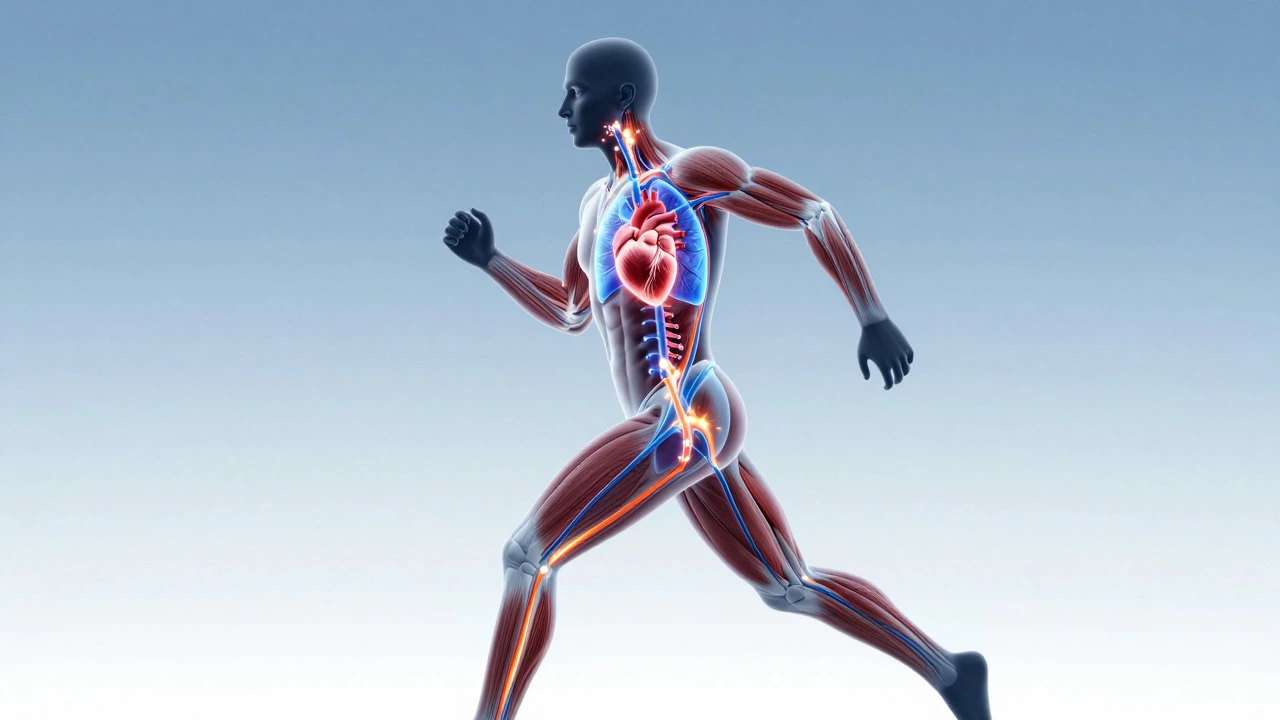
To fix poor stamina, you first need to understand what’s breaking down in your body. Stamina isn’t a single muscle or organ; it’s a complex system involving your heart, lungs, blood vessels, and muscles working together.
When you exercise, your muscles demand more oxygen to produce energy (ATP). Your heart pumps faster to deliver oxygen-rich blood, and your lungs work harder to pull oxygen from the air. In someone with good stamina, this system operates efficiently. In someone with poor stamina, one or more components fail to keep up.
- The Heart: A weaker heart muscle may not pump enough blood per beat (low stroke volume), forcing it to beat faster to compensate.
- The Lungs: Reduced lung capacity or efficiency means less oxygen enters the bloodstream.
- The Muscles: Muscles with fewer mitochondria (the power plants of cells) struggle to convert oxygen into energy, leading to early fatigue.
- Blood Flow: Narrowed or stiff arteries restrict oxygen delivery to working muscles.
This inefficiency causes lactic acid to build up faster than your body can clear it, resulting in that burning sensation and forced stoppage.
Common Signs You Have Poor Stamina
How do you know if your stamina is genuinely poor, or if you’re just having an off day? Look for these consistent patterns in your daily life:
- Rapid Fatigue: You get winded after climbing two flights of stairs or walking at a moderate pace for 10 minutes.
- Prolonged Recovery: After light exercise, you feel exhausted for hours or even the next day.
- Resting Heart Rate: A consistently high resting heart rate (above 80-90 bpm for adults) can indicate lower cardiovascular efficiency.
- Mental Fog: Poor physical stamina often correlates with low mental endurance, causing you to lose focus during tasks that require sustained attention.
- Avoidance Behavior: You subconsciously avoid activities that require exertion because you know you’ll struggle.
If you recognize three or more of these signs, it’s time to address your stamina levels.
Why Do People Have Low Endurance?
Poor stamina rarely has a single cause. It’s usually a combination of lifestyle factors, genetics, and sometimes underlying health issues.
| Category | Specific Factors | Impact on Stamina |
|---|---|---|
| Lifestyle | Sedentary behavior, poor diet, lack of sleep | Reduces mitochondrial density and cardiovascular strength |
| Physiological | Anemia, asthma, heart conditions | Limits oxygen transport or uptake |
| Psychological | Chronic stress, anxiety, depression | Increases perceived exertion and reduces motivation |
| Environmental | High altitude, extreme heat/humidity | Reduces available oxygen or increases cooling demands |
Sedentary Lifestyle: This is the most common culprit. If you sit for 8+ hours a day and don’t move much outside of work, your cardiovascular system deconditions. Think of it like a rusting engine-it works fine when new, but without regular use, it loses efficiency.
Poor Nutrition: Your body needs fuel to generate energy. Diets high in processed sugars and low in complex carbohydrates, healthy fats, and iron can lead to energy crashes. Iron deficiency anemia, for example, directly reduces the blood’s ability to carry oxygen.
Underlying Health Conditions: Sometimes, poor stamina is a symptom of something deeper. Asthma limits airflow, heart disease limits blood flow, and thyroid disorders affect metabolism. If your stamina drops suddenly without a change in activity level, see a doctor.
How to Improve Your Stamina: A Step-by-Step Guide
Good news: stamina is highly trainable. Unlike height or bone structure, you can significantly boost your endurance with consistent effort. Here’s how to start building it safely and effectively.
- Start with Low-Intensity Steady State (LISS): Don’t jump into high-intensity interval training (HIIT) if you’re starting from zero. Begin with 20-30 minutes of continuous, low-intensity activity like brisk walking, cycling, or swimming. Aim for a heart rate zone where you can still hold a conversation (60-70% of your max heart rate).
- Increase Duration Before Intensity: Focus on doing the same activity for longer periods before making it harder. Go from 20 minutes to 30, then to 45. This builds your aerobic base.
- Incorporate Interval Training: Once you have a base, add short bursts of higher intensity. For example, alternate between 1 minute of fast walking and 2 minutes of slow walking. This improves your VO2 max by teaching your body to clear lactate more efficiently.
- Strength Train: Stronger muscles are more efficient. They require less oxygen to perform the same task. Include bodyweight exercises like squats, push-ups, and lunges twice a week.
- Prioritize Recovery: Stamina isn’t built during workouts; it’s built during rest. Sleep 7-9 hours per night and allow at least one full rest day per week.
Pro Tip: Use the "Talk Test." If you can’t speak in full sentences during your workout, you’re going too hard for building base stamina. Slow down until you can chat comfortably.
Nutrition Strategies for Better Endurance
What you eat directly impacts how long you can last. Fueling your body correctly can make a noticeable difference in your stamina within weeks.
- Complex Carbohydrates: Foods like oats, brown rice, quinoa, and sweet potatoes provide sustained energy release. Avoid sugary snacks that cause rapid spikes and crashes.
- Iron-Rich Foods: Spinach, lentils, red meat, and fortified cereals help maintain healthy hemoglobin levels, ensuring your blood carries enough oxygen.
- Hydration: Even mild dehydration (2% loss of body weight) can reduce stamina by up to 20%. Drink water consistently throughout the day, not just during exercise.
- Electrolytes: For sessions longer than an hour, replenish sodium, potassium, and magnesium to prevent muscle cramps and fatigue.
Consider keeping a food diary for a week. You might find that your afternoon slump coincides with a heavy lunch or skipped breakfast. Adjusting meal timing can stabilize your energy levels.

When to See a Doctor
While lifestyle changes are powerful, some causes of poor stamina require medical intervention. Seek professional advice if you experience:
- Chest pain or pressure during activity
- Dizziness or fainting
- Irregular heartbeat
- Shortness of breath that doesn’t improve with rest
- Unexplained weight loss or gain
A simple blood test can check for anemia, thyroid issues, or vitamin deficiencies. An electrocardiogram (ECG) can assess heart health. Don’t ignore these warning signs.
Maintaining Gains: Long-Term Stamina Habits
Building stamina is easy; keeping it is hard. Life gets busy, and routines slip. To maintain your progress:
- Make Movement Non-Negotiable: Treat exercise like brushing your teeth-something you do every day, regardless of motivation.
- Vary Your Activities: Cross-training prevents boredom and overuse injuries. Try hiking, dancing, or yoga alongside your primary cardio.
- Track Progress: Use a fitness tracker or journal to monitor improvements in heart rate, distance, or duration. Seeing data motivates you to continue.
- Listen to Your Body: Some days you’ll feel great; other days, you won’t. Adjust intensity accordingly rather than quitting entirely.
Remember, stamina is a skill, not a fixed trait. With patience and consistency, you can transform from someone who struggles up stairs to someone who thrives on long hikes.
How long does it take to improve poor stamina?
Most people notice initial improvements in 2-4 weeks of consistent training. Significant gains in VO2 max and overall endurance typically occur after 8-12 weeks. The key is consistency; missing workouts slows progress considerably.
Can age-related decline in stamina be reversed?
Yes, to a large extent. While peak aerobic capacity naturally declines with age, regular exercise can slow this process dramatically. Older adults who train consistently can maintain stamina levels comparable to sedentary younger individuals.
Is poor stamina genetic?
Genetics play a role in your baseline potential, accounting for about 20-30% of VO2 max variation. However, lifestyle factors like diet, exercise, and sleep account for the majority of differences between individuals. Most people can significantly improve their stamina regardless of genetics.
What foods should I avoid if I have low stamina?
Limit refined sugars, trans fats, and excessive alcohol. These can cause inflammation, disrupt sleep, and lead to energy crashes. Processed foods often lack essential nutrients needed for optimal cellular energy production.
Does smoking affect stamina?
Yes, significantly. Smoking damages lung tissue, reduces oxygen absorption, and constricts blood vessels. Quitting smoking can improve lung function and stamina within weeks, with continued benefits over months and years.