Bikemap Premium Value Calculator
Answer a few questions about your riding style to see if upgrading to Bikemap Premium makes sense for you.
Verdict
You’re standing at a trailhead in the Dandenong Ranges, phone in hand, trying to figure out if that muddy track on the map is actually rideable or just a goat path. You open your usual mapping app, but it’s useless-it thinks you’re driving a car and wants to send you back onto the highway. This is exactly where Bikemap steps in. But with so many options like Komoot, Strava, and Google Maps floating around, is this specific app actually worth your subscription money in 2026?
I’ve spent the last few years testing every major cycling app from Melbourne’s flat urban sprawl to the steep climbs of the Yarra Valley. I’ve crashed into bushes because an algorithm didn’t understand gravel, and I’ve discovered hidden gems that weren’t on any official tourist board list. Here’s the no-nonsense breakdown of whether Bikemap deserves a spot on your home screen.
What Exactly Is Bikemap?
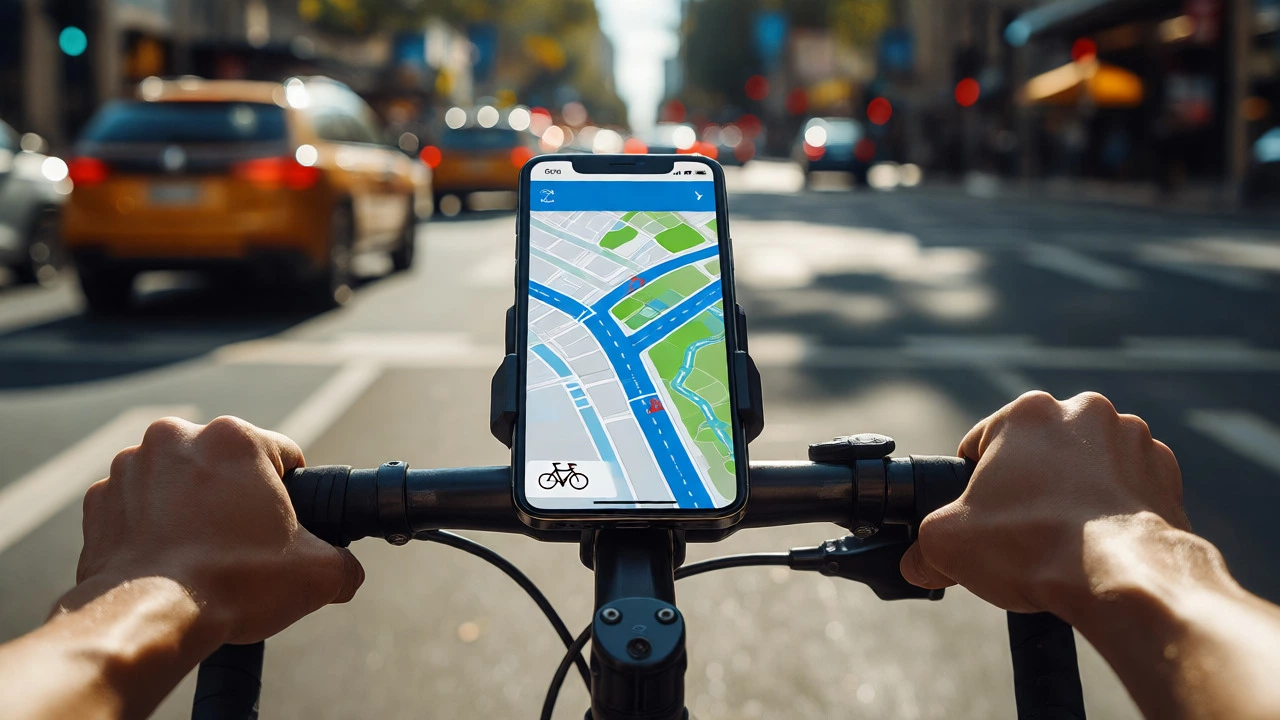
Bikemap is a community-driven cycling route planner and navigation app designed specifically for cyclists, not drivers or hikers. Unlike general-purpose maps, it prioritizes bike lanes, cycle paths, and quiet streets. It relies heavily on OpenStreetMap (OSM) data, which means the information is crowdsourced by people like you and me who care about accurate bike infrastructure.
The core promise is simple: give you safe, scenic, and efficient routes. It’s not just about getting from A to B; it’s about avoiding traffic nightmares and finding roads that feel like they were made for two wheels. The app operates on a freemium model. The free version lets you plan and navigate, but it comes with ads and limited features. The Premium subscription unlocks offline maps, advanced routing options, and ad-free usage.
The Good Stuff: Why Cyclists Love It
Let’s start with what Bikemap does better than almost anyone else. First off, the route suggestions are genuinely smart. If you tell it you want a "relaxed" ride, it won’t send you up a 15% gradient unless absolutely necessary. If you select "fast," it’ll prioritize main roads with good surfaces over winding country lanes. This level of customization saves you from accidental suffering.
Another huge plus is the community aspect. Because users upload their own rides, you can see real-time feedback on road conditions. In my experience, if a section of path near the Merri Creek Trail was closed for construction, other riders flagged it within hours. You get alerts about potholes, debris, or even aggressive dogs in certain neighborhoods. That kind of crowd-sourced intel is gold when you’re exploring new areas.
- Specialized Routing: Options for "Avoid Hills," "Scenic," or "Fastest" actually work as advertised.
- Community Insights: User-generated warnings about hazards, closures, and surface quality.
- Integration: Syncs seamlessly with Garmin, Wahoo, and Apple Watch for live tracking.
- Visual Clarity: The map interface is clean, with distinct colors for bike lanes, shared paths, and regular roads.
The Not-So-Great Parts: Where It Falls Short
No app is perfect, and Bikemap has its quirks. The biggest gripe I have-and many others share-is the reliance on OpenStreetMap data. While OSM is powerful, it’s not always up-to-date. Sometimes, a brand-new bike path in suburban Melbourne might take months to appear correctly on Bikemap. If you’re riding in very rural or newly developed areas, you might find gaps in the data that leave you guessing.
Then there’s the battery drain. Running GPS continuously while processing complex routing algorithms eats power. On a four-hour ride, I’ve seen my phone drop from 80% to 15% faster than when using simpler apps. If you don’t carry a power bank, this could be a dealbreaker for long-distance touring.
Also, the free version is aggressively ad-supported. Having a banner pop up right when you’re navigating a tricky intersection isn’t just annoying; it’s potentially dangerous. You end up feeling pressured to upgrade just to keep the screen clear.

Bikemap vs. The Competition
To really decide if it’s worth it, you need to compare it to the heavy hitters. Most cyclists are choosing between Bikemap, Komoot, and Strava. Here’s how they stack up based on actual use cases.
| Feature | Bikemap | Komoot | Strava |
|---|---|---|---|
| Primary Focus | Urban & Commuting Cycling | Adventure & Gravel Riding | Social Tracking & Performance |
| Offline Maps | Paid Feature | Paid Feature | Limited (Requires Premium) |
| Route Planning | Excellent for City Networks | Superior for Off-Road/Gravel | Basic (Based on Past Rides) |
| Community Data | Hazard Reports & Surface Info | Surface Type Accuracy | Heatmaps of Popular Routes |
| Cost (Annual) | ~$30 AUD | ~$40 AUD | ~$70 AUD |
If you’re mostly riding on-road in cities, Bikemap usually wins. Its understanding of city bike lane networks is sharper than Komoot’s, which sometimes tries to force you onto dirt trails when a paved path exists. However, if you’re into gravel grinding or mountain biking, Komoot’s surface detection is unmatched. Strava is great for ego and social validation, but its route planning tools are clunky compared to dedicated planners.
Who Should Pay for Premium?
So, should you open your wallet? It depends entirely on your riding style. Let’s break it down by persona.
The Daily Commuter: Yes, probably. If you ride the same route to work five days a week, the ability to download offline maps is crucial. Cell service can be spotty in tunnels or underpasses, and having the map cached ensures you never lose your way. Plus, removing ads makes the daily interaction less frustrating.
The Weekend Explorer: Maybe. If you only ride once a week in familiar territory, the free version might suffice. But if you love discovering new suburbs or coastal paths where signal is weak, Premium pays for itself in peace of mind. The "avoid hills" feature alone is worth it if you hate unexpected climbs.
The Competitive Racer: Probably not. If you’re training for races, you likely already have a head unit (Garmin/Wahoo) that handles navigation. Bikemap’s strength is in smartphone-based planning and casual navigation, not high-performance race-day metrics.

Practical Tips for Getting the Most Out of Bikemap
If you do decide to try it, here are some pro tips I’ve picked up along the way. First, always edit your profile settings to reflect your bike type. Whether you’re on a road bike, e-bike, or cargo bike changes how the app calculates safety and effort. An e-bike user can handle steeper gradients, so the app will offer more direct routes.
Second, contribute to the community. When you spot a hazard-like a missing sign or a blocked gate-add a report. It takes ten seconds and helps the next rider. In return, you’ll often get notifications about issues on your favorite loops before you even leave the house.
Third, use the "Explore" tab wisely. Instead of typing in a destination, let the app suggest circular routes starting from your location. Filter by distance and elevation gain. It’s a fantastic way to break out of your routine without spending hours researching online forums.
Final Verdict: Is It Worth It?
Bikemap isn’t magic, but it is highly specialized. For urban and suburban cyclists who value safety and efficiency over raw performance stats, it’s one of the best tools available. The interface is intuitive, the routing logic respects cyclist needs, and the community data adds a layer of awareness that pure GPS can’t match.
However, if you’re a hardcore gravel grinder or someone who rides in remote areas with poor map coverage, you might find Komoot or a dedicated GPS device more reliable. And if you’re strictly into fitness tracking and social sharing, Strava remains king.
For most people reading this-likely commuting or doing recreational rides in established areas-Bikemap offers excellent value. The free tier is robust enough to test-drive the concept. If you find yourself checking it before every ride, the small annual fee for Premium is negligible compared to the cost of getting lost or hitting a dead-end path.
Does Bikemap work without internet?
Yes, but only with a Premium subscription. Free users must stay online for navigation. Premium allows you to download specific regions or entire countries for offline use, which is essential for areas with poor cellular coverage.
Can I import routes from Strava to Bikemap?
You can export GPX files from Strava and import them into Bikemap. However, automatic syncing between the two platforms isn't native. You'll need to manually manage route transfers if you use both apps extensively.
Is Bikemap accurate for road surfaces?
It is generally accurate for distinguishing between paved roads, bike paths, and gravel tracks, relying on OpenStreetMap data. However, it may not detect temporary changes like fresh asphalt or severe potholes unless reported by other users recently.
How much does Bikemap Premium cost?
As of late 2025, pricing varies by region but typically sits around $29-$35 USD per year. There is often a lifetime option available during sales, though availability fluctuates. Check the app store for current local pricing.
Does Bikemap support electric bikes?
Yes. You can set your profile to "E-Bike," which adjusts the routing algorithm to account for higher speeds and different hill-climbing capabilities. It also highlights charging stations in supported regions.