
Holistic Health & Habit Builder
Answer the following questions honestly to receive personalized recommendations.
1. Physical Activity
How do you currently approach movement?
2. Nutrition Mindset
What is your relationship with food?
3. Stress & Connection
How do you manage stress and social needs?
4. Sleep Quality
Describe your sleep habits.
Your Holistic Health Score
Physical Consistency
...
Nutritional Balance
...
Mental Resilience
...
Sleep Hygiene
...
Personalized Action Plan
Start Small: Choose one area from below to focus on this week. Remember, consistency beats intensity.
You’ve probably heard the advice a thousand times. Eat your veggies, hit the gym, sleep eight hours. Simple, right? Yet most of us struggle to actually do it consistently. We treat health like a punishment we endure until summer arrives, or worse, we chase perfection and burn out in three weeks. The truth is, staying fit, happy, and healthy isn’t about extreme diets or grueling five-a-day workouts. It’s about building a lifestyle that feels good enough to stick with when life gets messy.
Rethinking Movement: Why Consistency Beats Intensity
Let’s be honest: if you hate running, forcing yourself to run every morning is a recipe for quitting. Your body needs movement, but it doesn’t care which specific type of movement it gets, as long as it’s consistent. The World Health Organization recommends at least 150 minutes of moderate-intensity aerobic physical activity throughout the week for adults. That sounds daunting until you break it down. That’s just 30 minutes a day, five days a week. Or even better, two 15-minute walks after lunch and dinner.
The key here is finding something that doesn’t feel like work. Maybe that’s dancing in your kitchen while cooking. Maybe it’s gardening. Maybe it’s swimming laps because you love the water. When you associate movement with pleasure rather than pain, you’re far more likely to keep doing it. In Melbourne, where I live, you see this everywhere-people cycling along the Yarra River not because they’re training for a race, but because it’s a nice way to clear their heads. That intrinsic motivation is the fuel that keeps the engine running long-term.
- Find your "non-exercise" exercise: Walk the dog, take the stairs, park further away.
- Vary your activities: Mix strength training with flexibility work to prevent boredom and injury.
- Listen to your body: Rest days are part of the program, not a sign of weakness.
Nutrition Without the Noise
Diet culture has made eating complicated. One week, fat is evil; the next, carbs are poison. Then suddenly, everything is keto, then vegan, then carnivore. It’s exhausting. Strip away the marketing hype, and the basics haven’t changed in decades. Real food nourishes you. Processed food often leaves you hungry and sluggish.
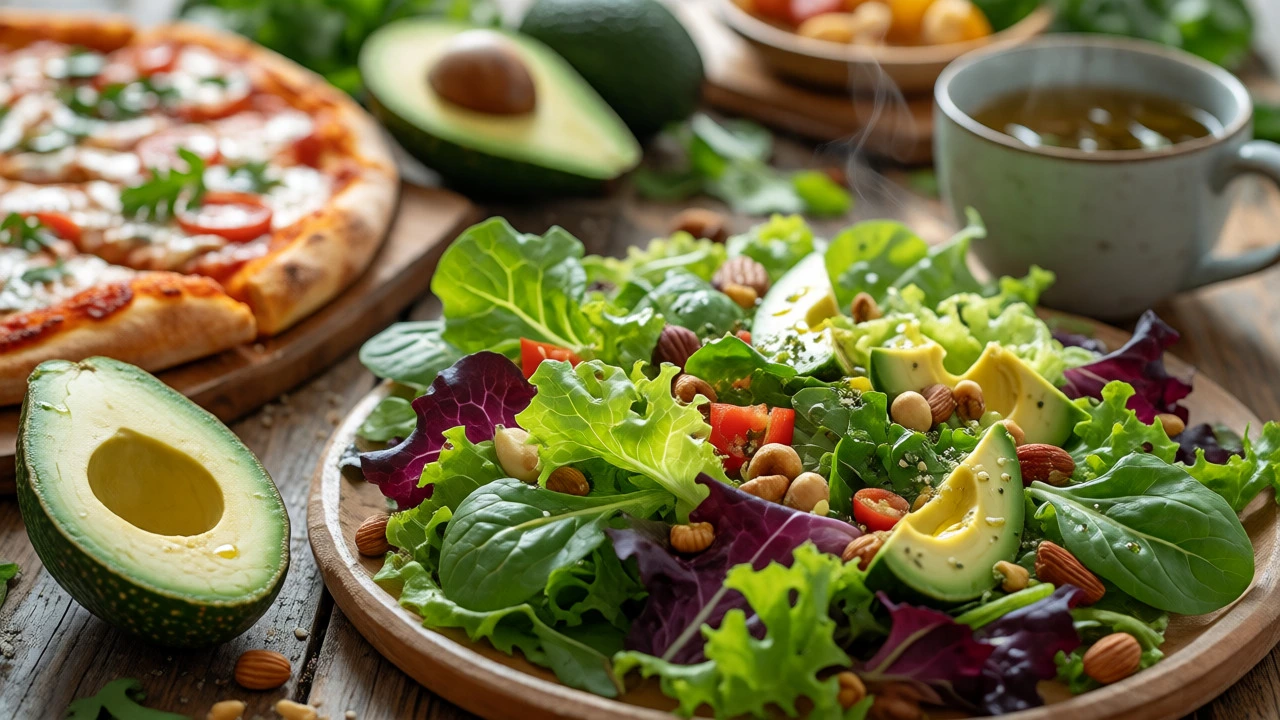
Instead of counting calories obsessively, try focusing on adding nutrients rather than subtracting them. Add a serving of vegetables to every meal. Add a source of protein to keep you full. Add healthy fats like avocado or nuts for brain function. This additive approach shifts your mindset from deprivation to abundance. You’re not saying "no" to pizza; you’re saying "yes" to a big salad alongside it.
| Approach | Focus | Sustainability Score | Mental Impact |
|---|---|---|---|
| Calorie Counting | Energy intake vs. output | Low (requires constant tracking) | Can cause anxiety around food |
| Elimination Diets | Removing specific groups (e.g., gluten) | Medium (restrictive socially) | Fear of "forbidden" foods |
| Whole Food Focus | Eating unprocessed ingredients | High (flexible and intuitive) | Promotes positive relationship with food |
Hydration plays a massive role here too. Often, what we interpret as hunger is actually thirst. Keeping a water bottle nearby and sipping throughout the day can curb unnecessary snacking. It’s a small habit with a disproportionately large impact on energy levels and skin clarity.
The Mental Game: Stress and Happiness
You can have the perfect diet and workout plan, but if your mind is a mess, your body will suffer. Chronic stress releases cortisol, a hormone that encourages fat storage, particularly around the midsection, and disrupts sleep. Staying happy isn’t just a bonus; it’s a physiological necessity for staying healthy.
So, how do you manage stress without meditating for an hour daily? Start small. Practice mindfulness in mundane moments. Feel the warmth of the water while washing dishes. Notice the smell of coffee in the morning. These micro-moments of presence lower your baseline stress levels over time. They anchor you in the now, pulling you out of the anxious spiral of worrying about the future or regretting the past.
Social connection is another pillar of happiness that directly impacts health. Loneliness has been linked to higher risks of heart disease and cognitive decline. Make time for people who make you laugh. Laughter reduces stress hormones and boosts immune cells. It’s free medicine. If you’re feeling isolated, join a local club, volunteer, or simply call a friend. Human connection is a biological need, not a luxury.
Sleep: The Underrated Superpower
If there’s one thing that ruins fitness goals faster than anything else, it’s poor sleep. During deep sleep, your body repairs muscle tissue, balances hunger hormones (ghrelin and leptin), and consolidates memories. Skimping on sleep makes you hungrier, crankier, and less motivated to move.
Aim for seven to nine hours. But quality matters as much as quantity. Create a bedtime routine that signals to your brain that it’s time to wind down. Dim the lights, put away screens an hour before bed, and keep your bedroom cool and dark. Blue light from phones suppresses melatonin, the hormone that regulates your sleep-wake cycle. If you can’t fall asleep, don’t lie there stressing. Get up, read a physical book under dim light, and try again when you feel drowsy.

Building Habits That Stick
Motivation is fickle. It comes and goes like the weather. Discipline, or better yet, habit formation, is reliable. To build habits that last, start so small they seem ridiculous. Want to start exercising? Commit to putting on your running shoes. That’s it. Once you’re dressed, you’ll likely go for a short walk. Want to eat healthier? Put a piece of fruit on your desk. Don’t rely on willpower; rely on environment design.
Track your progress, but not just with numbers on a scale. Note how you feel after a workout. Did you have more energy? Did you sleep better? Positive reinforcement based on internal feelings is more powerful than external validation. Celebrate small wins. Finished a tough session? Great. Ate a vegetable-rich dinner? Awesome. Acknowledge these moments to reinforce the behavior loop.
Adapting to Life’s Changes
Life isn’t linear. You’ll get sick, travel, have busy work weeks, or face personal challenges. A rigid plan breaks under pressure. A flexible one bends. Learn to adjust your expectations. On bad days, do the minimum. A ten-minute stretch counts. A handful of nuts counts. Doing something is infinitely better than doing nothing because you couldn’t do everything.
Remember, health is a marathon, not a sprint. There will be ups and downs. The goal isn’t perfection; it’s persistence. If you miss a day, don’t spiral into guilt. Just pick it back up the next day. Self-compassion is a critical component of long-term success. Be kind to yourself. You’re human, not a robot programmed for optimal output.
Do I need to go to the gym to stay fit?
No, absolutely not. While gyms offer equipment and structure, you can achieve excellent fitness through bodyweight exercises, walking, cycling, swimming, or sports. The best exercise is the one you enjoy and will do consistently. Home workouts, outdoor activities, and active hobbies all count towards your weekly activity goals.
How quickly will I see results from changing my habits?
Physical changes vary by individual, but many people notice improved energy levels and mood within the first two weeks of consistent healthy habits. Visible physical changes, such as weight loss or muscle definition, typically take four to six weeks of sustained effort. Patience is key; rapid changes are often unsustainable.
Is it okay to eat junk food occasionally?
Yes, moderation is essential for long-term adherence. Completely banning favorite treats often leads to bingeing later. Enjoying a slice of pizza or a chocolate bar in moderation allows you to maintain a balanced relationship with food without feeling deprived. The 80/20 rule-eating nutrient-dense foods 80% of the time-is a popular and effective guideline.
What is the most important factor for staying healthy?
Consistency outweighs intensity. Regular, moderate activity combined with balanced nutrition and adequate sleep creates a sustainable foundation for health. Trying to do too much too soon often leads to burnout or injury. Building small, manageable habits that integrate seamlessly into your daily life is the most reliable path to long-term well-being.
How does stress affect my physical health?
Chronic stress elevates cortisol levels, which can lead to increased blood pressure, disrupted sleep, weakened immune function, and weight gain. Managing stress through mindfulness, social connection, and relaxation techniques is crucial for protecting both your mental and physical health.