Female Athlete Gear Fit Checker
Stop accepting ill-fitting gear. Use this checklist to identify potential risks in your current setup based on common biomechanical mismatches.
Your Fit Assessment
Calculating...
You’ve probably heard the joke about pink dumbbells or the frustration of trying on a "unisex" jersey that fits like a potato sack. But for female athletes, getting the right sports equipment isn’t just about style-it’s about performance and safety. The truth is, most sports gear has been designed around the male body for decades. When you try to squeeze into something built for a different biomechanical reality, you’re not just uncomfortable; you’re setting yourself up for inefficiency and even injury.
So, what do female athletes actually need? It’s not just smaller sizes. It’s gear engineered for wider hips, narrower shoulders, shorter torsos, and different center-of-gravity dynamics. Let’s break down exactly where the gaps are and how to fill them, whether you’re running track, playing netball, or lifting weights in your garage gym.
The Biomechanics Gap: Why "Shrink It and Pink It" Fails
For years, manufacturers followed a lazy rule: take the men’s design, shrink it by 15%, add some pink accents, and call it a day. This approach ignores fundamental physiological differences. Women generally have a wider pelvis (the Q-angle), which changes how forces travel through the knees and hips during movement. We also tend to have longer legs relative to our torso and narrower shoulders compared to men of similar height.
When equipment doesn’t account for this, it fights against your body. A backpack with shoulder straps set too wide apart slips off narrow shoulders, forcing you to hike it up constantly, which ruins your posture. Running shoes with a heel cup designed for a narrower male heel cause slippage, leading to blisters and altered gait. These aren’t minor annoyances; they accumulate over thousands of repetitions, leading to chronic issues like patellofemoral pain syndrome or lower back strain.
Footwear: The Foundation of Performance
Your feet are your primary interface with the ground, yet they are often the most poorly fitted part of an athlete’s kit. Standard sizing charts assume a proportional scaling from men’s feet. But women’s feet are structurally different-they are typically narrower at the heel and midfoot but may have a wider forefoot relative to the overall length.
| Feature | Men’s Design Assumption | Female Athlete Reality | Solution |
|---|---|---|---|
| Heel Width | Narrower heel box | Narrower heel, wider midfoot | Look for brands with specific women’s lasts (molds) |
| Cushioning | Denser foam for heavier loads | Lower average body weight | Softer compounds or responsive foams tuned for lighter impact |
| Arch Support | Standard arch placement | Variable arch heights, often higher | Custom orthotics or adjustable insoles |
If you’re a runner, look for brands that invest in female-specific last shapes. Companies like Brooks and Asics have started doing this seriously, recognizing that a shoe fitting a man’s foot will never perfectly hug a woman’s. For court sports like basketball or tennis, lateral stability is crucial because women’s ligaments are often more lax due to hormonal factors like estrogen, making ankles more prone to rolling. Shoes with a wider base and reinforced midfoot support can make the difference between a quick pivot and a sprained ankle.
Upper Body Gear: Shoulders and Chest Support
Shoulder width is one of the biggest mismatch points. Men’s jerseys and jackets are cut for broader deltoids and a wider ribcage. On a woman, these garments hang loosely at the sides while pulling tightly across the chest. This isn’t just aesthetically annoying; loose fabric creates drag in cycling or swimming, while tight fabric restricts breathing and arm rotation.
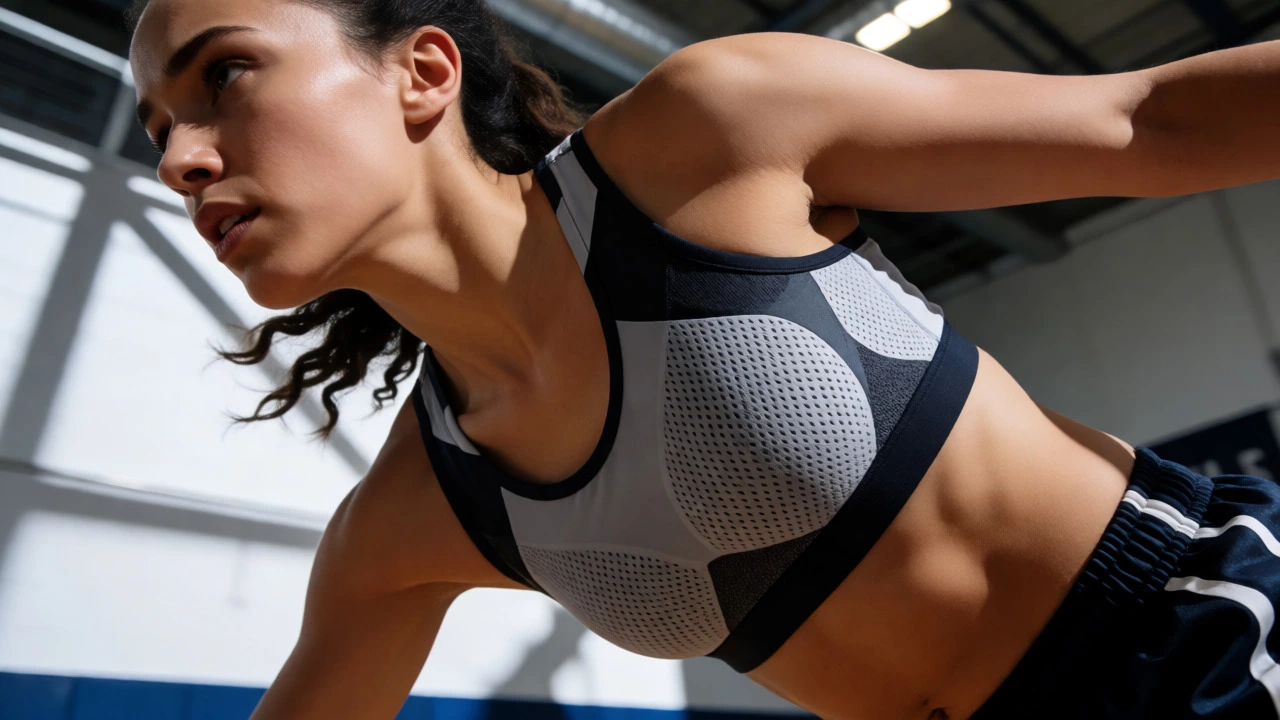
Then there’s the issue every female athlete knows well: breast support. In high-impact activities like running, jumping, or racket sports, inadequate support causes significant discomfort and tissue damage. Research suggests that up to 79% of active women experience breast pain during exercise. A standard sports bra often isn’t enough. You need encapsulation rather than just compression. Look for bras with underwires (yes, even in sports) or structured cups that separate and support each breast individually. Adjustable straps and back closures are non-negotiable for a secure fit that doesn’t slip when you sweat.
Protective Equipment: Helmets and Pads
In contact sports like rugby, soccer, or hockey, protective gear is life-saving. But helmets and pads designed for male skulls and bodies can be dangerous for women. Male heads tend to be longer front-to-back and narrower side-to-side. Female heads are often rounder and wider. Wearing a helmet shaped for a male head means pressure points on the forehead and cheeks, while the sides remain loose, reducing protection during a side impact.
This is critical in cycling and motorcycling. A study published in the Journal of Safety Research highlighted that women are more likely to sustain neck injuries in crashes partly due to poor helmet fit affecting head position. Always try on helmets before buying. If you feel pressure on your temples but none on your cheeks, the shape is wrong. Similarly, shin guards and knee pads must account for different leg proportions. Guards that slide down or pinch behind the knee alter your stride and reduce confidence in movement.
Strength Training and Apparel Fit
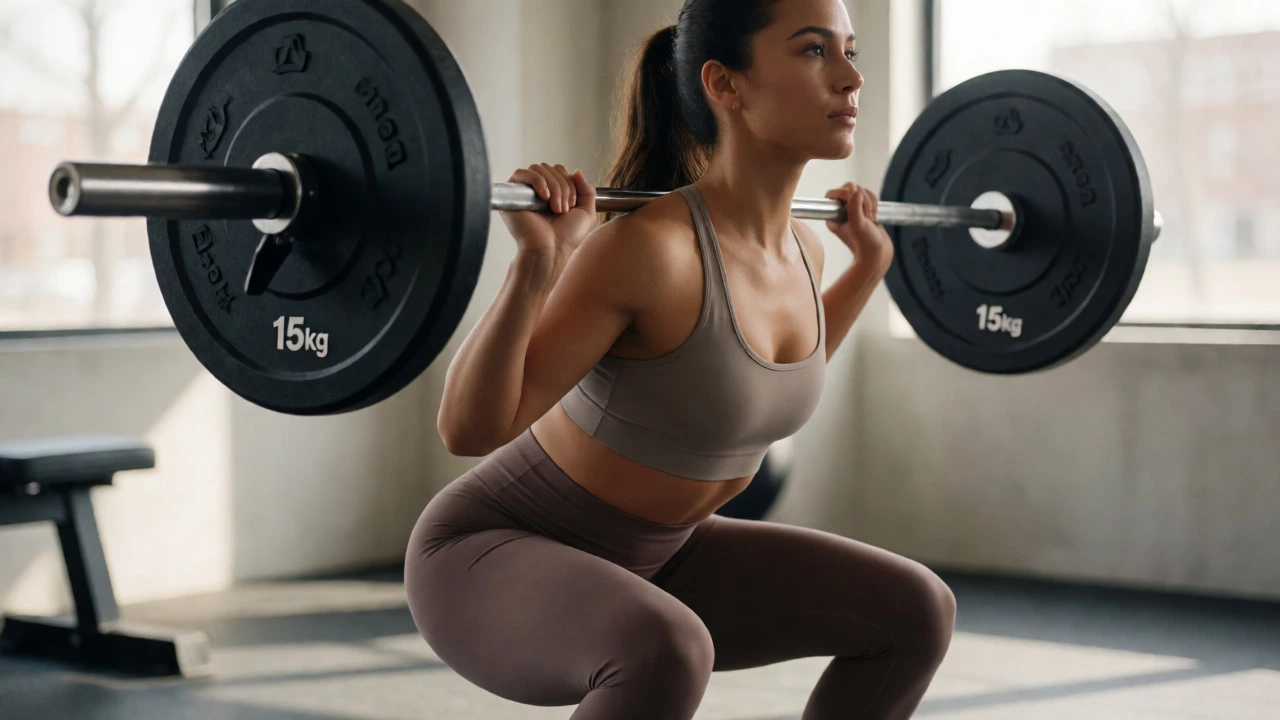
Gym culture has shifted, but many gyms still stock equipment sized for men. Olympic barbells weigh 20kg, which is fine for heavy lifters, but beginners might struggle. Women’s Olympic bars are available at 15kg, allowing for better technique development without excessive load. More importantly, apparel needs to allow full range of motion. Squats require hip mobility; if your shorts bind at the crotch or rise up, you’ll subconsciously limit depth to avoid discomfort.
Leggings should offer compression without restricting blood flow. High-waisted designs can provide core support during lifts, but ensure the waistband doesn’t dig in when you bend forward. Test your gear in the store-do squats, lunges, and overhead presses. If you have to adjust your top every two seconds, it’s not working gear.
The Role of Hormones in Gear Choice
We can’t talk about female athletes without mentioning the menstrual cycle. Estrogen and progesterone levels fluctuate throughout the month, affecting joint laxity, recovery rates, and even thermal regulation. During the luteal phase, body temperature rises slightly, so moisture-wicking fabrics become even more critical. Breathable, antimicrobial materials prevent chafing and bacterial growth, which can be exacerbated by hormonal changes in skin sensitivity.
Furthermore, increased joint laxity during certain phases of the cycle can increase injury risk. This is when supportive footwear and proper warm-up routines matter most. Your gear needs to adapt to your body’s changing state, not just its static measurements.
How to Shop Smart: A Checklist
Don’t rely on online size charts alone. They vary wildly between brands. Here is how to ensure you get gear that actually works:
- Measure Yourself Regularly: Bodies change. Measure your inseam, chest, waist, and hip circumference quarterly.
- Prioritize Function Over Fashion: That cute pastel color won’t help if the seams rub raw. Check stitching quality and fabric stretch first.
- Test Under Stress: Don’t just walk around the store. Jump, squat, run in place. Simulate your sport.
- Check Return Policies: Buying online is risky. Ensure you can return items if the fit isn’t perfect after a test workout.
- Consult Specialists: For running shoes, go to a specialty store that offers gait analysis. For team sports, ask teammates who play your position what brands they trust.
Remember, the best equipment is the kind you forget you’re wearing because it moves seamlessly with you. Stop accepting ill-fitting gear as the norm. Demand better, test rigorously, and prioritize your long-term health over brand loyalty.
Why are women’s sports shoes more expensive?
They aren't always more expensive, but specialized women's models require different molds and engineering processes. The market volume for women's specific high-performance gear is smaller than unisex or men's, which can drive up per-unit costs. However, the investment pays off in reduced injury risk and better performance.
Can I just buy men's gear in a smaller size?
Sometimes, but it's rarely ideal. Men's gear assumes a different skeletal structure. Sleeves will be too long, waists too narrow, and shoulders too wide. For technical items like helmets, cleats, or sports bras, women-specific designs are almost always superior for fit and function.
Does breast size affect athletic performance?
Yes, primarily through discomfort and restricted movement. Large breasts can shift significantly during running, causing pain and altering posture. Proper encapsulation sports bras mitigate this, allowing athletes to maintain form and focus on performance rather than managing physical distraction.
Are there specific brands known for good women's fit?
Brands like Lululemon, Nike (with their Pro line), Brooks, and specialized retailers like REI often have robust women's-specific lines. However, fit is individual. Always try multiple brands, as sizing standards vary significantly across the industry.
How does the menstrual cycle affect gear choice?
Hormonal fluctuations can cause bloating and increased joint laxity. During certain phases, you might prefer looser waistbands or more supportive footwear to accommodate slight swelling or reduced joint stability. Moisture-wicking fabrics are also crucial as body temperature regulation changes.