
Stamina Sabotage Calculator
Select the foods you consumed in the last 24 hours to see how they might be impacting your energy levels. Click a card to toggle selection.
Estimated Stamina Impact
100%Tip: Pair carbohydrates with protein or healthy fats to stabilize blood sugar.
You hit the gym, run your miles, or push through a tough workday, but by 2 PM, you’re dragging. You blame lack of sleep or poor conditioning, but what if the culprit is sitting on your plate? It’s not just about eating healthy; it’s about avoiding specific foods that sabotage your body’s ability to sustain effort. Certain ingredients trigger insulin spikes, inflammation, or digestive distress that drain your tank faster than a marathon without water.
The Sugar Rollercoaster: Why Sweet Snacks Backfire
We all know sugar gives a quick burst of energy. But that spike is followed by a crash so hard it can leave you more exhausted than before you ate. High-glycemic foods like white bread, pastries, and sugary cereals cause rapid blood glucose fluctuations. Your pancreas pumps out massive amounts of insulin to manage the surge, often overcorrecting and dropping your blood sugar below baseline. This state, known as reactive hypoglycemia, triggers fatigue, brain fog, and irritability.
Think of it like revving a car engine in neutral. You burn fuel fast, but you don’t go anywhere. For athletes or anyone needing sustained focus, this volatility is deadly. Instead of steady power output, you get erratic bursts followed by stalls. If you rely on a chocolate bar or a soda for an afternoon pick-me-up, you’re likely setting yourself up for a slump within ninety minutes.
Heavy Fats and Digestive Drag
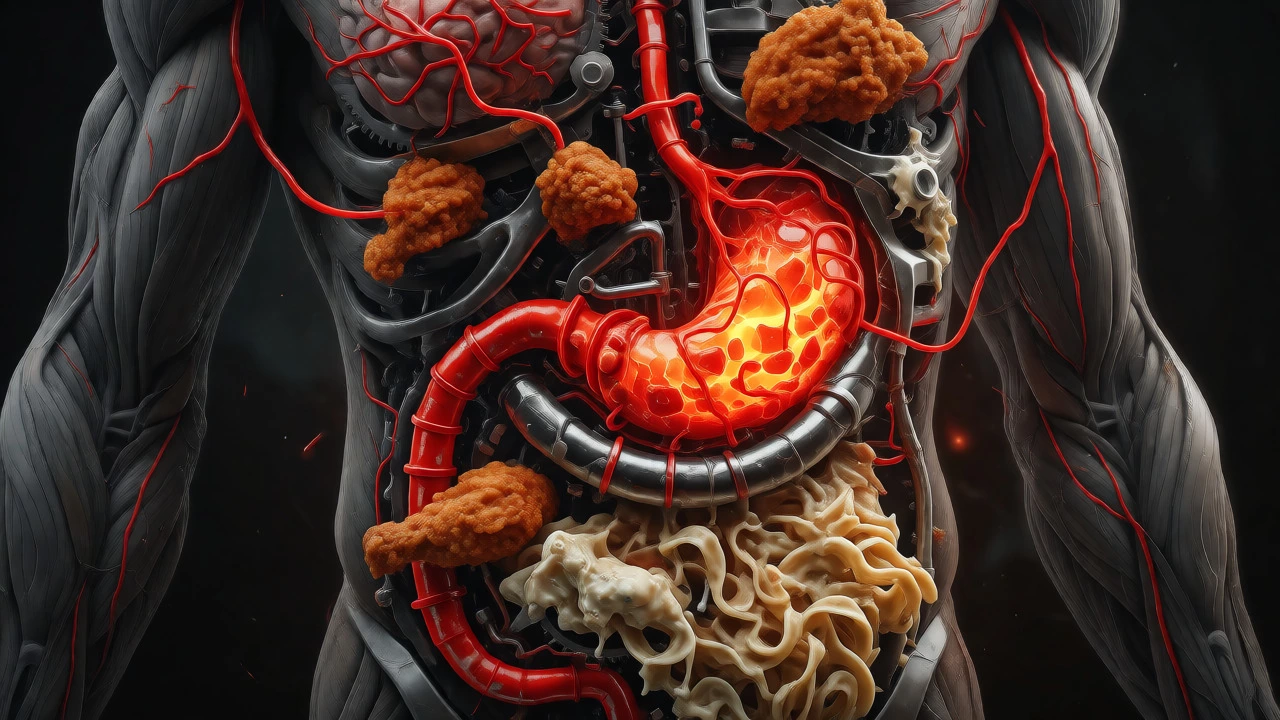
Fat is essential for long-term energy storage, but consuming large amounts of heavy, saturated fats right before activity slows digestion significantly. Foods like fried chicken, creamy pasta sauces, and fatty cuts of steak require substantial energy to break down. Your body diverts blood flow from your muscles and brain to your gut to handle the heavy lifting. This process, called postprandial somnolence (or the "food coma"), makes you feel sluggish and heavy.
If you eat a greasy burger an hour before a workout, you aren’t fueling your performance; you’re burdening it. The digestive system demands priority, leaving less oxygenated blood available for muscle contraction. While healthy fats from avocados or nuts are great for sustained release, heavy animal fats and trans fats create a metabolic bottleneck. Avoid these heavy hitters when you need immediate agility or endurance.
Alcohol: The Silent Stamina Killer
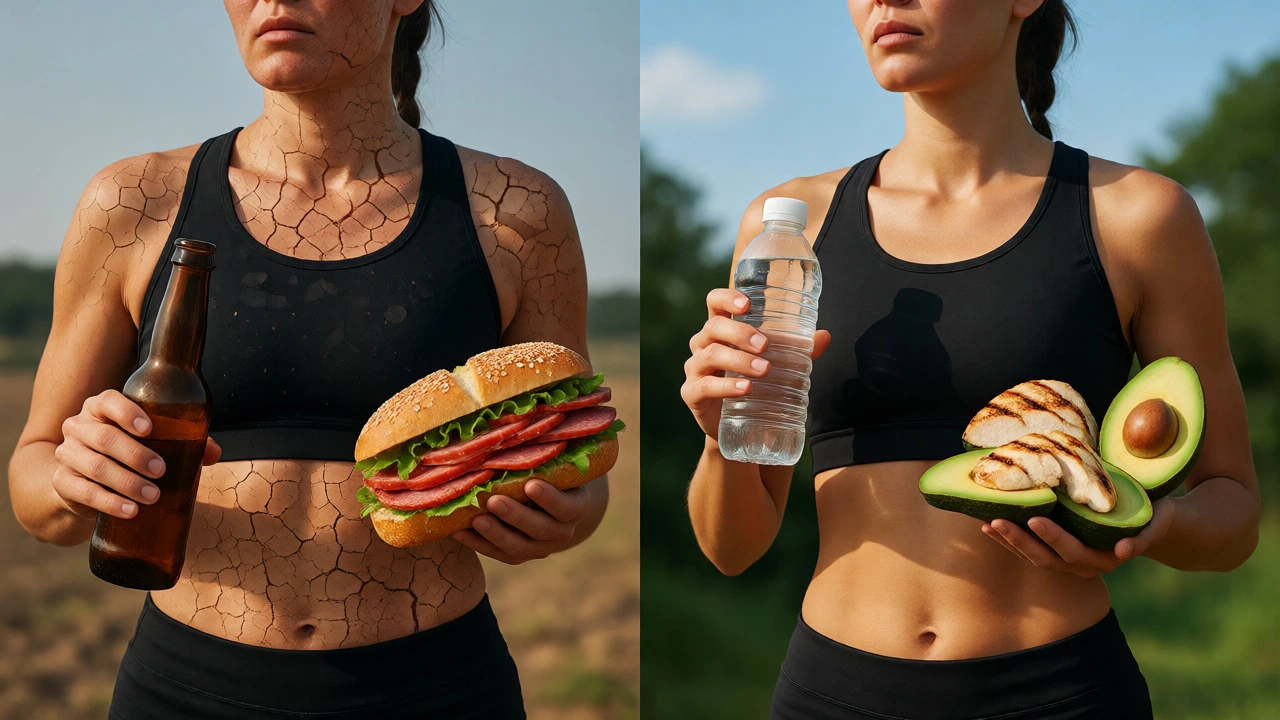
It might seem obvious, but many people underestimate how much alcohol impacts daily stamina. Alcohol is a diuretic, meaning it dehydrates you. Even mild dehydration reduces physical performance by up to 10%. Beyond hydration, alcohol disrupts REM sleep, the stage where your body repairs tissue and consolidates memory. You might fall asleep quickly, but the quality is poor, leading to next-day fatigue.
Furthermore, alcohol interferes with protein synthesis, slowing muscle recovery. If you’re training regularly, a night of drinking can undo days of progress. The acetaldehyde produced during alcohol metabolism is toxic and forces your liver to prioritize detoxification over other metabolic processes. This diversion drains cellular energy reserves, leaving you feeling flat and unmotivated the following day.
Processed Meats and Inflammation
Hot dogs, bacon, and deli meats are staples for convenience, but they are loaded with nitrates, sodium, and preservatives. These additives promote systemic inflammation. Chronic low-grade inflammation taxes your immune system and saps energy levels. Your body spends resources fighting off these chemical irritants rather than supporting physical exertion.
High sodium content also leads to water retention and bloating, which can make movement feel heavier and more laborious. If you’re trying to improve cardiovascular endurance, the vasoconstriction caused by excessive sodium intake can restrict blood flow, forcing your heart to work harder to pump oxygen to your muscles. Swapping processed meats for lean proteins like chicken breast or fish can drastically reduce this inflammatory load.
Gluten and Dairy Sensitivities
Not everyone reacts poorly to gluten or dairy, but for those with sensitivities, these foods are major energy drainers. Celiac disease and non-celiac gluten sensitivity cause intestinal damage and nutrient malabsorption. If you can’t absorb iron, B12, or magnesium, your energy production at the cellular level suffers. Iron deficiency alone is a leading cause of fatigue worldwide.
Dairy products contain casein and lactose, which some individuals struggle to digest. Undigested particles can leak into the bloodstream, triggering an immune response that feels like general lethargy. If you consistently feel tired after eating pizza or ice cream, consider a two-week elimination trial. The difference in clarity and stamina can be startling.
Caffeine Dependency and Adrenal Stress
Coffee boosts alertness, but relying on it creates a tolerance loop. As you consume more caffeine, your adenosine receptors upregulate, requiring higher doses to achieve the same effect. When the caffeine wears off, the accumulated adenosine floods your system, causing extreme drowsiness. This cycle stresses the adrenal glands, which produce cortisol and adrenaline. Over time, adrenal fatigue sets in, making it difficult to generate natural energy without stimulants.
Relying on multiple espressos to get through the morning masks underlying issues like poor sleep or inadequate hydration. It borrows energy from tomorrow to pay for today. Reducing caffeine intake gradually allows your natural circadian rhythms to reset, restoring stable stamina throughout the day.
Quick Reference: Energy Killers vs. Boosters
| Food Category | Effect on Stamina | Why It Happens | Better Alternative |
|---|---|---|---|
| White Bread/Pastries | Negative (Crash) | Insulin spike followed by hypoglycemia | Oats or Quinoa |
| Fried Foods | Negative (Sluggishness) | Slow digestion diverts blood flow | Grilled Chicken/Fish |
| Soda/Energy Drinks | Negative (Dehydration) | Sugar crash + Diuretic effect | Water + Electrolytes |
| Processed Deli Meat | Negative (Inflammation) | Nitrates and high sodium load | Turkey Breast / Eggs |
| Alcohol | Negative (Recovery Block) | Poor sleep quality + Dehydration | Herbal Tea / Kefir |
How to Test Your Food-Stamina Connection
You don’t need a lab test to figure out what hurts your performance. Keep a simple food-and-energy journal for seven days. Note what you eat and rate your energy levels every two hours on a scale of 1-10. Look for patterns. Do you crash two hours after lunch? What did you have? Is there a correlation between dairy consumption and afternoon brain fog?
- Track Timing: Notice if certain foods affect you only when eaten close to exercise.
- Monitor Hydration: Sometimes thirst masquerades as hunger or fatigue. Drink 500ml of water before blaming your sandwich.
- Audit Sleep: Ensure your fatigue isn’t purely sleep-deprivation related before changing your diet.
This method removes guesswork. You’ll quickly identify your personal triggers. Maybe gluten doesn’t bother you, but excess fructose does. Everyone’s biochemistry is unique, so treat your body like a scientific experiment rather than accepting generic advice blindly.
Do bananas decrease stamina?
No, bananas generally increase stamina due to their potassium and carbohydrate content. However, eating them on an empty stomach might cause a temporary insulin spike in sensitive individuals, leading to a slight dip in energy shortly after. Pairing them with fat or protein stabilizes this effect.
Can spicy food lower energy levels?
Spicy food itself doesn’t lower stamina, but it can cause digestive discomfort or acid reflux in some people. This physical distraction can make you feel less energetic. Additionally, capsaicin increases metabolic rate slightly, which might lead to quicker depletion if you aren’t adequately hydrated.
Is coffee bad for athletic stamina?
Coffee can enhance short-term performance but may harm long-term stamina if consumed excessively. High doses increase heart rate and anxiety, potentially reducing efficiency. Dependence leads to withdrawal fatigue. Moderate use (up to 400mg/day) is typically beneficial for most athletes.
Why do I feel tired after eating rice?
White rice has a high glycemic index, causing rapid blood sugar spikes and subsequent crashes. Large portions exacerbate this effect. Switching to brown rice or quinoa provides fiber and slower-digesting carbs, sustaining energy longer without the crash.
Does dehydration feel like hunger?
Yes, the hypothalamus can confuse thirst signals with hunger. Mild dehydration causes fatigue and reduced concentration. Before reaching for a snack, drink a glass of water and wait ten minutes to see if the urge passes.