Sports Terminology Decoder
Not sure what to call that new purchase? Select an item below to see how retailers, manufacturers, and athletes classify it.
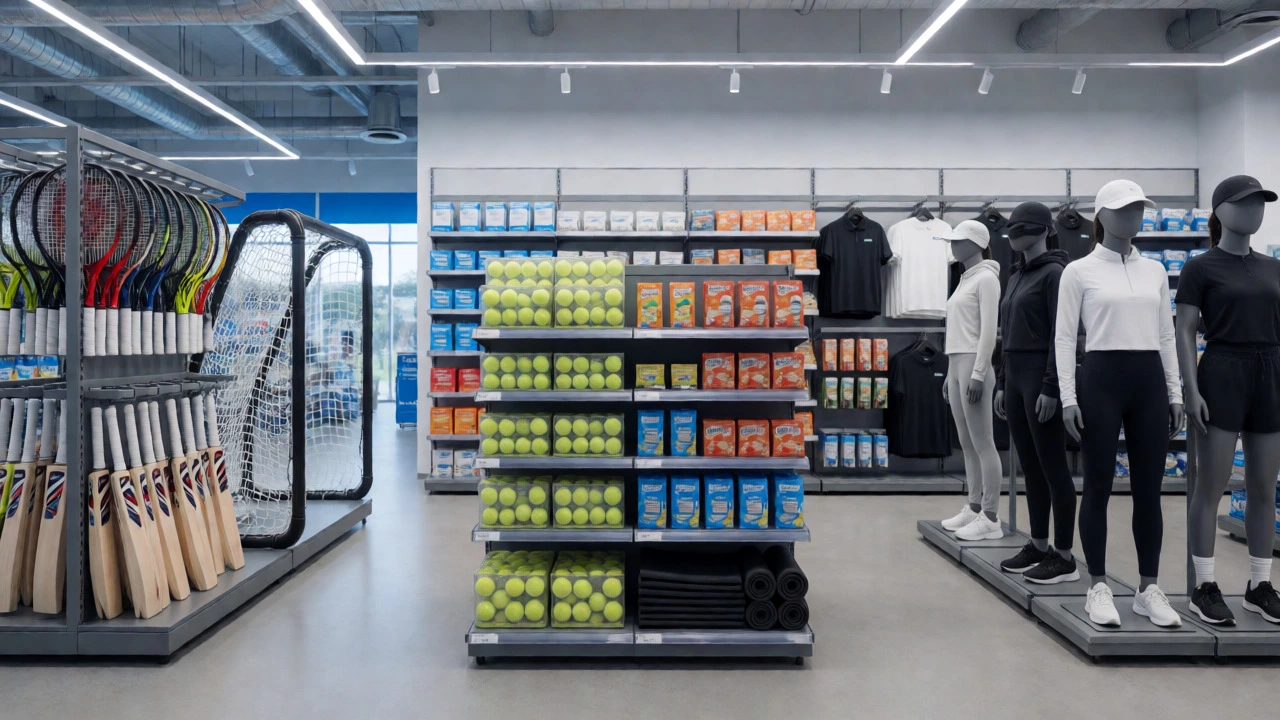
You walk into a store. You see racks of shiny metal frames, piles of synthetic fabric, and boxes of rubber balls. You want to buy them. But what do you actually call this stuff? Is it sports equipment? Sporting goods? Athletic gear? The terms get thrown around interchangeably, but they aren't always the same thing. If you're trying to search for something specific, or just want to sound like you know your way around a pro shop, understanding the difference matters.
Here is the short version: there is no single universal word. It depends on who is talking and what they are selling. Retailers say "sporting goods." Manufacturers often say "equipment" or "gear." Athletes usually just say "stuff" or name the specific item. Let's break down why these labels exist and when to use which one.
The Big Three: Equipment, Goods, and Gear
Most people mix up Sports Equipment and Sporting Goods, but in the industry, they mean different things. Think of it like cooking. A knife is equipment. The steak you cut with it is a good (or product). In the sports world, the line blurs, but not completely.
Sports Equipment usually refers to durable items used to play a sport. We are talking about tennis rackets, soccer goals, basketball hoops, and golf clubs. These items don't get consumed quickly. You buy a racket once, and it lasts for years. When you search for "equipment," you are looking for tools that facilitate the activity.
Sporting Goods is a broader retail term. It includes equipment, yes, but also consumables and apparel. A box of tennis balls is a sporting good. A pair of running shoes is a sporting good. A protein bar sold at the gym counter? Also a sporting good. This term is favored by large retailers like Decathlon or Rebel Sport because it covers everything in their inventory. If you are writing a business plan or working in retail management, you deal in "goods."
Athletic Gear is the casual, everyday term. It leans heavily toward personal items you wear or carry. Shoes, jerseys, socks, watches, and bags fall under gear. You wouldn't call a swimming pool "gear," but you would call your goggles "gear." This term is common in marketing aimed directly at consumers. It feels more personal than "goods."
| Term | Primary Focus | Typical Items | Who Uses It? |
|---|---|---|---|
| Sports Equipment | Durable tools | Rackets, bats, nets, machines | Manufacturers, Coaches, Serious Players |
| Sporting Goods | Retail inventory | All of the above + apparel, balls, nutrition | Retailers, Wholesalers, Accountants |
| Athletic Gear | Personal performance | Shoes, clothing, accessories, tech | Marketers, Influencers, Everyday Athletes |
| Merchandise | Branding/Fandom | Jerseys with names, caps, flags | Teams, Fans, Licensing Agencies |
Why Context Changes the Name
Imagine you are buying a Cricket Bat. If you go to a specialist cricket store, you ask for equipment. They will talk to you about willow grade, handle shape, and weight. These are technical specs relevant to equipment.
Now, imagine you go to a general department store. You ask for cricket gear. They might show you the bat, but they will also try to sell you a protective helmet, pads, and gloves as a bundle. To them, it's all part of the "cricket category" of sporting goods. They care less about the wood grain and more about the bundle price.
Then there is the fan perspective. If you buy a jersey with your favorite player's name on it, you aren't buying equipment. You can't play professional cricket in a cotton t-shirt. You are buying Sports Merchandise. This term applies specifically to items branded with team logos or player names, intended for display or fandom rather than performance. A generic white cricket shirt is gear. A shirt with "Smith 49" on the back is merchandise.
The Rise of Activewear and Apparel
A huge chunk of the market isn't hard equipment at all. It's clothing. Historically, this was called "athletic apparel." Today, the dominant term is Activewear. This shift happened because clothes stopped being just for playing sports and started being for living in sports mode. Yoga pants worn to a coffee shop are activewear. Running shorts worn to the grocery store are activewear.
This distinction matters for shopping. If you search for "sports clothing," you might get old-fashioned tracksuits. If you search for "activewear," you get modern, moisture-wicking fabrics designed for both movement and style. Brands like Lululemon and Nike have blurred the line between fashion and function so much that the old term "apparel" feels outdated.
Within activewear, we have sub-categories. Compression gear helps with blood flow. Base layers keep you warm without bulk. Outer shells protect from wind and rain. Knowing these specific names helps you find exactly what you need instead of sifting through thousands of generic "tops."
Technology and Wearables
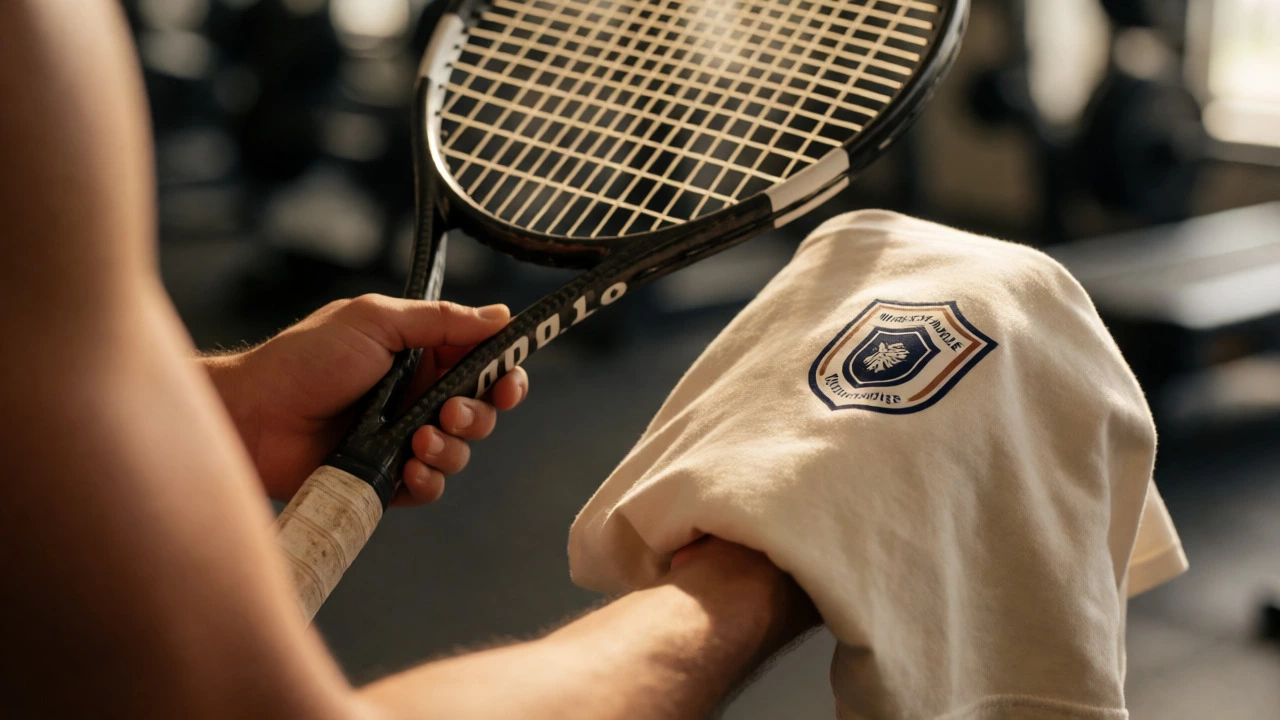
We need to talk about the new kids on the block: Wearables. Ten years ago, a watch was just an accessory. Now, an Apple Watch or Garmin is critical training equipment. Where does it fit? Technically, it's electronic gear. But many manufacturers classify it under "health and fitness technology" rather than traditional sports goods.
This creates confusion. Is a heart rate monitor equipment? Yes, if you are a coach analyzing data. Is it gear? Yes, if you are a runner tracking pace. Most online stores now have a dedicated "Tech" or "Electronics" section within their sports category. If you are looking for smart devices, don't look under "shoes" or "rackets." Look for "tech."
Regional Differences: US vs. Australia vs. UK
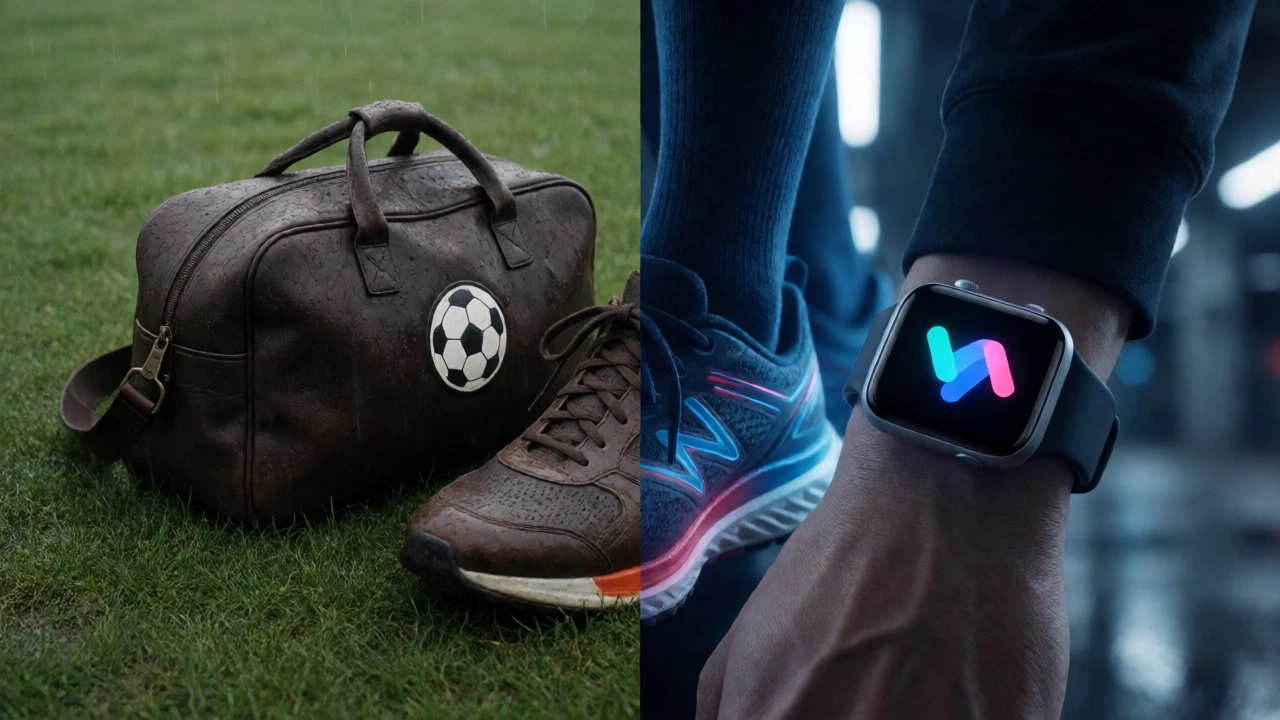
Language varies by location. In the United States, "sporting goods" is the standard industry term. The National Sporting Goods Association uses it. In the UK, you hear "sports kit" or simply "kit" more often, especially in football (soccer) contexts. "Kit bag" is a common phrase there.
In Australia, where I live, the terms are a mix. We use "gear" constantly. "Grab your gear" is normal phrasing. We also use "merch" heavily for AFL and NRL teams. However, for high-end purchases, like a surfboard or a golf set, we still refer to them as equipment. The term "sports products" is rarely used in conversation. It sounds academic or industrial. You won't hear a mate say, "I bought some new sports products today." He'll say, "I got some new gear" or "I picked up some kit."
How to Search Like a Pro
If you are struggling to find what you need online, change your keywords based on the type of item.
- For durable tools: Use "[Sport] equipment." Example: "Tennis equipment." This filters out shirts and socks.
- For bundles and general items: Use "[Sport] gear." Example: "Cycling gear." This brings up helmets, lights, bikes, and jerseys.
- For clothing: Use "Activewear" or "Performance apparel." Avoid "clothes" unless you want casual styles.
- For fan items: Use "Merchandise" or "Official Kit." This ensures you get licensed products, not cheap knock-offs.
- For tech: Use "Fitness tracker" or "Smartwatch." Don't rely on "accessories," which often means keychains and water bottles.
One final tip: check the brand's own categorization. If you are looking for a specific Adidas product, go to their site and look at how they group it. Adidas separates "Running," "Training," and "Football." Under each, they list "Shoes," "Clothing," and "Equipment." Following the manufacturer's logic is often the fastest way to find the right product.
Frequently Asked Questions
Is there a difference between sports equipment and sporting goods?
Yes. Sports equipment typically refers to durable, reusable items used to play a game, such as bats, rackets, and goals. Sporting goods is a broader retail term that includes equipment, but also encompasses consumables like balls, apparel, and footwear.
What is considered athletic gear?
Athletic gear generally refers to personal items worn or carried by an athlete during activity. This includes shoes, clothing, protective padding, bags, and accessories like watches or hydration packs. It is a consumer-focused term distinct from the industrial term 'equipment'.
Are sports jerseys considered equipment?
No, jerseys are classified as apparel or merchandise. While essential for team identification, they are not functional tools used to manipulate the ball or perform the action. Jerseys with player names are specifically categorized as merchandise due to their branding value.
Why do stores use different terms for the same items?
Stores use different terms to target different customer intents. 'Goods' appeals to shoppers looking for variety and bundles. 'Equipment' appeals to serious players seeking performance specs. 'Gear' appeals to lifestyle buyers interested in style and comfort. The terminology helps segment the market.
What is the best keyword to use when searching for sports clothing?
'Activewear' is currently the most effective keyword for modern sports clothing. It yields results for technical fabrics and stylish designs suitable for both exercise and casual wear. 'Apparel' may return older, less technical options.