Brazil Rugby Fan Profile Calculator
Discover how much you align with the joyful, expressive, and resilient spirit of Brazil's national rugby team, "Os Tupis." Answer three quick questions to see your profile.
Your Score: 0/15
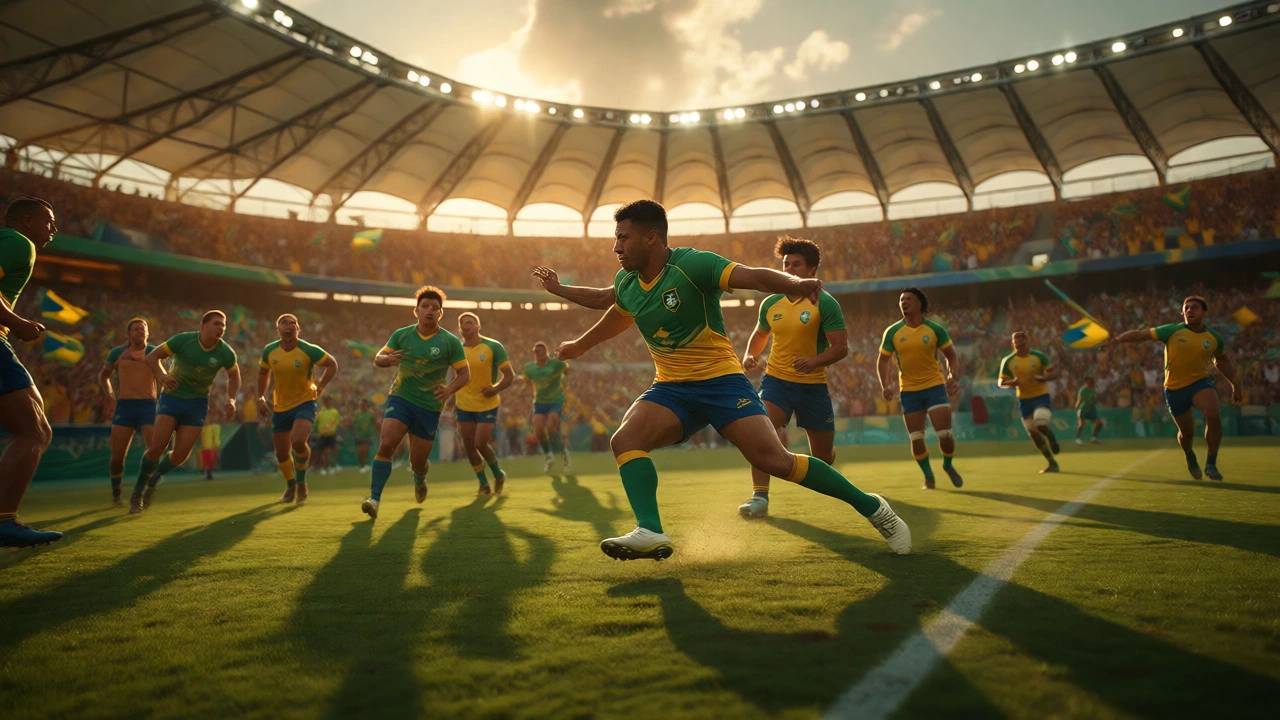
There’s a strange magic to Brazil. It’s not just about the samba or the beaches. When you look at global sports, especially through the lens of rugby fixtures, Brazil stands out for reasons that go beyond the scoreboard. You might wonder why a nation historically associated with football commands such intense affection from the wider sporting world, even when its rugby team isn’t topping the charts. The answer lies in the raw, unfiltered energy they bring to every pitch, whether it’s a local club match in São Paulo or an international test against New Zealand.
This article unpacks the cultural phenomenon behind Brazil’s global appeal, specifically within the context of contact sports. We’ll look at how their approach to athletics influences fan engagement, why broadcasters love featuring them, and what makes their presence on the fixture list so valuable. If you’ve ever watched a highlight reel and felt your pulse quicken despite the scoreline being irrelevant, you already know part of the answer. But there’s more to it than just vibes.
The Cultural DNA of Joyful Competition
Brazilian culture treats sport as a communal celebration rather than a sterile contest. This mindset permeates everything from street games to professional leagues. In many countries, rugby is seen as a game of strategy and rigid discipline. In Brazil, while those elements exist, they are often secondary to flair and individual expression. Players like Lucas Duque or Daniel Sancery don’t just execute plays; they perform them. This theatricality resonates with audiences worldwide who crave entertainment alongside athletic prowess.
Think about the last time you watched a World Rugby event. Did the crowd noise feel different when the Brazilian national team, known as "Os Tupis," took the field? That’s because the fans aren’t just spectators; they’re participants. They sing, dance, and react with a visceral intensity that turns a standard Saturday afternoon into a festival. This emotional transparency is rare in modern sports, where athletes are often trained to mask their feelings. Brazilians wear their hearts on their sleeves, literally and figuratively, making them instantly relatable to fans across borders.
Impact on Global Rugby Fixtures
You might ask: How does this affect actual rugby fixtures? The inclusion of Brazil in international calendars changes the dynamic of entire tournaments. Organizers know that adding a Brazilian match guarantees a specific type of atmosphere. Broadcasters report higher social media engagement during these games because clips of Brazilian tries or tackles tend to go viral faster than technical breakdowns of set-piece moves. The visual spectacle drives viewership.
Consider the Americas Rugby Championship. When Brazil competes against traditional powers like Argentina or Uruguay, the narrative shifts. It becomes a story of underdog spirit versus established dominance. Fans love a good David-versus-Goliath tale, and Brazil fits that archetype perfectly in rugby. Their victories, though fewer in number compared to their football counterparts, carry disproportionate weight because they represent triumph over resource disparities. This narrative arc keeps interest high throughout the season, ensuring that matches involving Brazil remain relevant even if they aren’t finals.
| Factor | Brazil (Emerging Power) | Traditional Powers (e.g., NZ, England) |
|---|---|---|
| Cultural Approach | Expressive, celebratory, fluid | Disciplined, tactical, reserved |
| Fan Behavior | Dancing, singing, continuous noise | Chanting, structured support |
| Media Appeal | High viral potential, visual flair | Stable ratings, historical prestige |
| Fixture Impact | Adds novelty and unpredictability | Provides baseline consistency |
The Role of Diaspora and Digital Connectivity
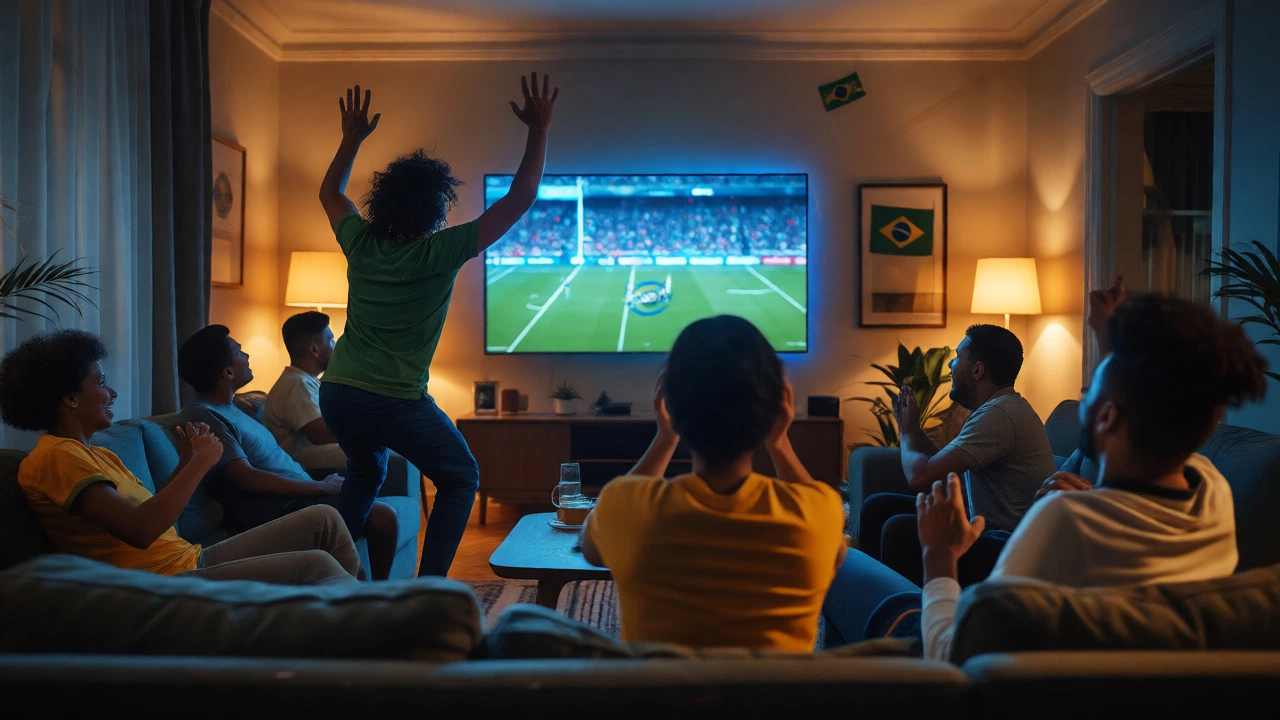
Brazil has one of the largest diasporas in the world. Millions of Brazilians live in Europe, North America, and Australia. When a rugby fixture features Brazil, it taps into this massive network. Families gather around screens in London, Paris, and Melbourne to cheer for their homeland. This digital and physical connectivity amplifies the reach of each match far beyond the stadium walls. Social media platforms light up with hashtags, memes, and live reactions, creating a second-screen experience that sponsors value highly.
Moreover, Brazilian influencers play a crucial role here. Unlike traditional sports analysts who dissect rucks and mauls, Brazilian content creators focus on emotion and humor. They make rugby accessible to people who might never watch a scrum otherwise. By blending comedy with commentary, they lower the barrier to entry for new fans. This grassroots promotion helps grow the sport globally, proving that popularity isn’t just about winning trophies-it’s about connecting with people.
Overcoming Challenges Through Resilience
Loving Brazil also means acknowledging their struggles. Rugby isn’t the dominant sport there; football is king. Securing funding, finding pitches, and retaining talent require immense effort. The Brazilian Rugby Confederation works tirelessly to develop pathways for young athletes. Despite limited resources compared to European unions, they consistently produce players capable of competing at the highest levels. This resilience earns respect. Fans admire teams that punch above their weight, and Brazil does exactly that in rugby.
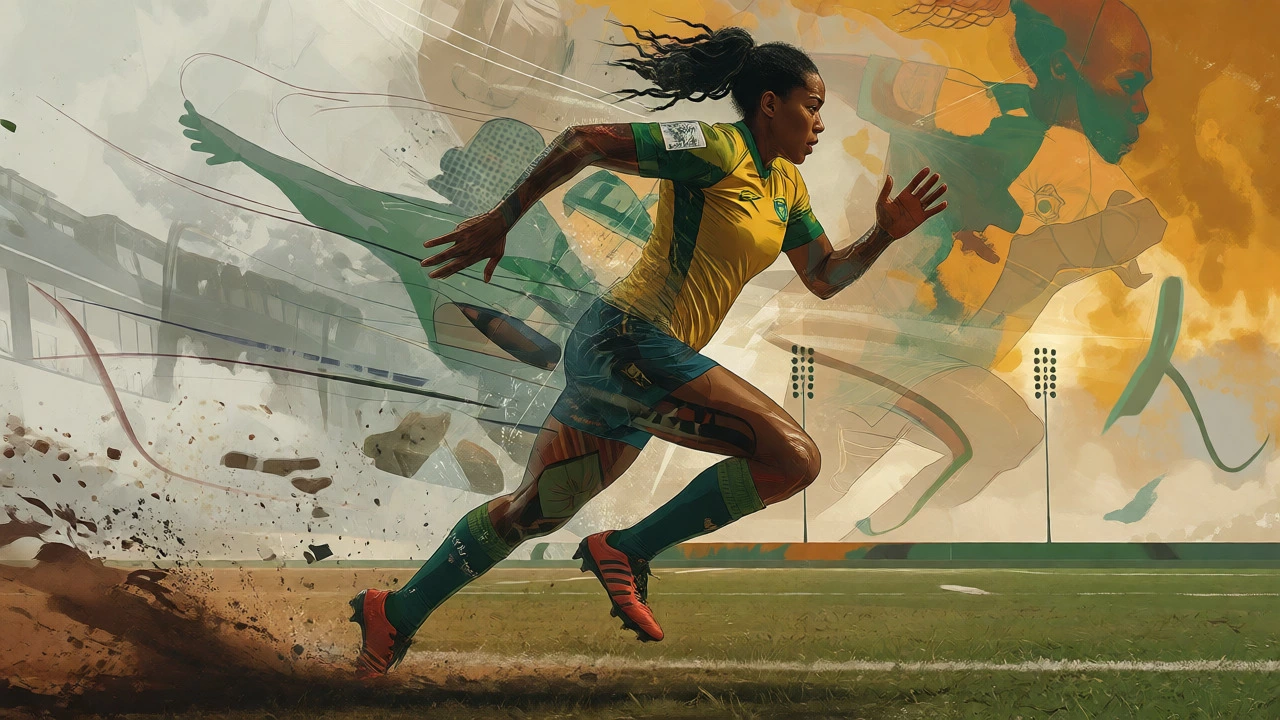
Look at the rise of sevens rugby. Brazil’s success in this format, particularly among women’s teams, showcases their adaptability. Sevens requires speed, agility, and improvisation-traits inherent in Brazilian athletic culture. Their performance in events like the Olympic Games highlights how they leverage natural strengths to compete with well-funded programs. This strategic alignment between culture and sport creates a compelling story that fans want to follow.
Why Neutral Fans Choose Brazil
Here’s a controversial take: neutral fans often root for Brazil in non-final matches. Why? Because they offer excitement without the baggage of rivalry. Supporting a traditional power comes with expectations and pressure. Supporting Brazil allows fans to enjoy the game purely for its aesthetic pleasure. It’s low-stakes fandom with high-reward entertainment. You don’t need to care about league tables to appreciate a brilliant sidestep by a Brazilian winger. This freedom attracts casual viewers who might otherwise tune out after the first ten minutes.
Additionally, Brazil’s multicultural identity mirrors the global nature of modern sports. The team includes players of African, Indigenous, and European descent, reflecting the broader human experience. This inclusivity resonates with diverse audiences who see themselves represented on the field. Representation matters, and Brazil offers a vivid example of unity through diversity in action.
Key Takeaways
- Cultural Energy: Brazil brings a unique, joyful approach to competition that enhances viewer enjoyment.
- Viral Potential: Matches involving Brazil generate significant social media buzz due to expressive gameplay.
- Narrative Appeal: As an emerging force, Brazil provides compelling underdog stories in major tournaments.
- Global Reach: A large diaspora ensures consistent global viewership and support.
- Resilience: Overcoming resource limitations earns respect and admiration from the sporting community.
Frequently Asked Questions
Is rugby popular in Brazil?
While football dominates, rugby has a growing niche following, especially in southern states and urban centers. Interest spikes during international events and Olympic appearances.
Why do broadcasters feature Brazilian rugby matches?
Broadcasters value the high engagement rates and viral potential of Brazilian matches. The expressive style and passionate fanbase create entertaining content that appeals to broad audiences.
How does Brazilian culture influence their playing style?
Brazilian culture emphasizes creativity, rhythm, and individual expression. This translates to a playing style that prioritizes agility, improvisation, and attacking flair over rigid structural play.
Do Brazilian fans travel to away games?
Yes, particularly for major tournaments. The strong sense of national pride and community encourages fans to travel, creating vibrant atmospheres in host cities.
What is the future of rugby in Brazil?
With increased investment in youth development and continued success in sevens, the future looks promising. The goal is to qualify for more Rugby World Cups and establish a stronger domestic league.