Category: Running - Page 2

Is It Okay to Wear Running Shoes Every Day? Pros, Cons & Better Alternatives

Is It Okay to Wear Running Shoes Every Day? Pros, Cons & Better Alternatives

Wearing running shoes every day can harm foot health due to excessive cushioning and poor breathability. Learn the risks, better alternatives like walking shoes, and why rotating your footwear is essential for long-term comfort.

Read More

Is a 70-Minute 10K Good? Understanding Your Running Pace

Is a 70-Minute 10K Good? Understanding Your Running Pace

Is a 70-minute 10K run a good time? Discover how this pace stacks up for beginners, its role in marathon training, and how to improve your speed safely.

Read More
Do You Really Need Running Shoes? The Truth About Proper Footwear

Do You Really Need Running Shoes? The Truth About Proper Footwear

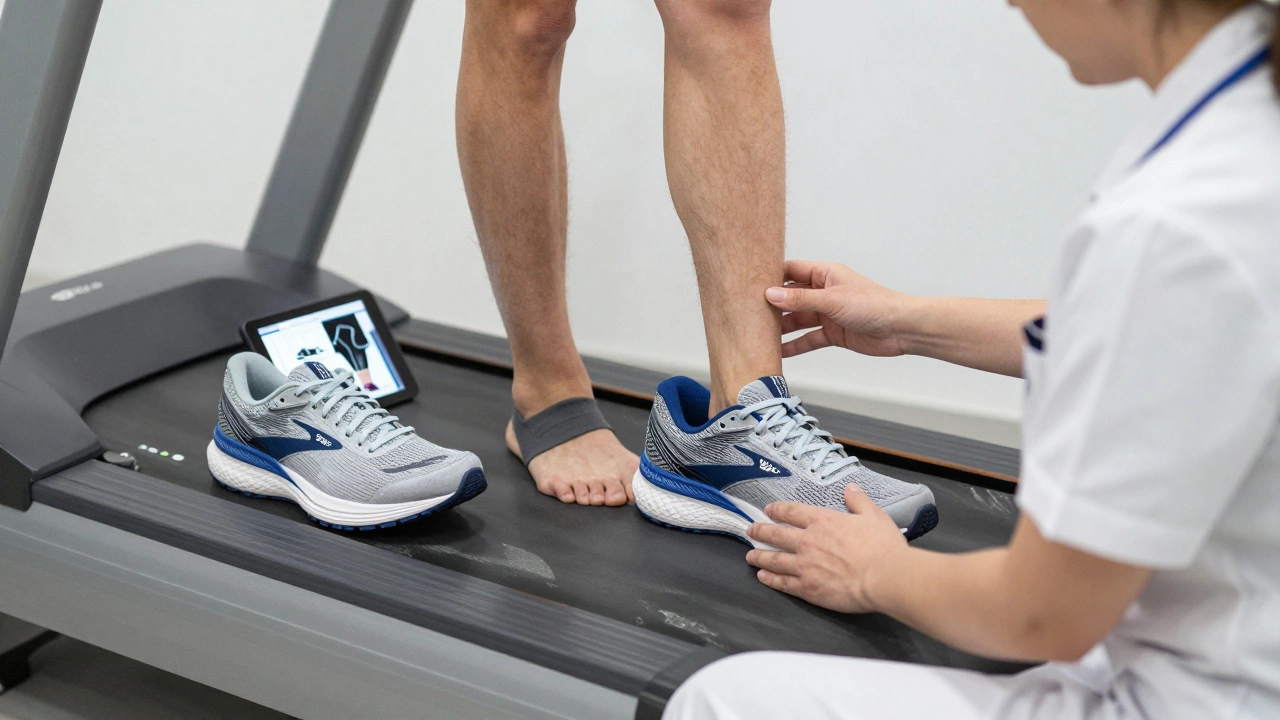
Wondering if you need expensive running shoes to start jogging? Learn the truth about barefoot running, gait analysis, and when you actually need a gear upgrade.

Read More
Why shouldn't you walk in running shoes?

Why shouldn't you walk in running shoes?

Using running shoes for walking can alter your gait and cause issues. We explain the biomechanical differences, risks to your arch, and signs you need dedicated walking footwear.

Read More
Why Do Podiatrists Recommend Brooks Running Shoes?

Why Do Podiatrists Recommend Brooks Running Shoes?

Podiatrists recommend Brooks running shoes because of their biomechanical design, proven cushioning technology, and clinical effectiveness in reducing foot pain. Unlike trend-driven brands, Brooks prioritizes real-world data from runners and medical professionals to create shoes that support natural movement and prevent injury.

Read More
Is It Smart to Run a Marathon Without Training?

Is It Smart to Run a Marathon Without Training?

Running a marathon without training is risky and often leads to injury. Learn why preparation matters, what your body goes through, and how to safely finish-even if you're starting from scratch.

Read More
What Is the Toughest Part of a Marathon?

What Is the Toughest Part of a Marathon?

The toughest part of a marathon isn't physical exhaustion-it's the mental battle between your body's limits and your mind's urge to quit. Learn why most runners collapse around mile 20 and how to push through.

Read More
Can I Run a 10K if I Can Run a 5K? Here’s What Actually Matters

Can I Run a 10K if I Can Run a 5K? Here’s What Actually Matters

If you can run a 5K, you can run a 10K-but only with the right training. Learn how to safely build endurance, avoid common mistakes, and finish your first 10K without injury.

Read More
How Rare Is Running a Marathon?

How Rare Is Running a Marathon?

Only about 0.5% of people worldwide have finished a marathon. It’s not about speed or talent - it’s about showing up day after day. Here’s why so few people run one, and what it really takes to finish.

Read More
Is 4 Hours a Fast Marathon? What It Really Means for Runners

Is 4 Hours a Fast Marathon? What It Really Means for Runners

Is a 4-hour marathon fast? For most runners, yes. It means averaging 9:09 per mile, placing you in the top 25% of finishers. Learn what it takes to hit this milestone-and why it's more than just a time.

Read More
How to Find Your Foot Type for Running Shoes

How to Find Your Foot Type for Running Shoes

Learn how to identify your foot type for running shoes using simple tests like the wet footprint and shoe wear analysis. Find the right support for flat, normal, or high arches to prevent injury and run more comfortably.

Read More
Is It Bad to Wear Shoes a Half Size Too Big for Running?

Is It Bad to Wear Shoes a Half Size Too Big for Running?

Wearing running shoes a half size too big can cause blisters, heel slippage, and long-term injuries. Learn why proper fit matters more than extra space-and how to find your true size.

Read More